
Why you should experience Le Méridien New York Fifth Avenue in New York, NY.
Le Méridien New York Fifth Avenue is a tailored luxury hotel where NoMad's textile heritage, fashion consciousness, design culture and cosmopolitan sophistication converge within a contemporary interpretation of the European-born Le Méridien identity.
Set along 5th Avenue near West 30th Street and just steps from Empire State Building, the hotel occupies a slender 21-story tower by Gene Kaufman Architect whose light masonry façade, disciplined window grid and dark metal railings introduce a contemporary presence to a stretch of 5th Avenue once dominated by textile merchants. VLDG designers Paul Vega and Vennie Lau translated that mercantile lineage into interiors layered with textured fabrics, geometric patterns, contrasting materials and custom artwork, including a textile column composed through patchwork and color. A scale map printed across a wood acoustic wall grounds the public spaces in Manhattan geography, while custom guestroom murals depict the island and surrounding waterways through Le Méridien's midcentury-modern visual vocabulary. The result is a hotel where Gene Kaufman, Paul Vega and Vennie Lau turn NoMad's fabric-trading history into a contemporary design narrative built around pattern, material and metropolitan geometry.
What you should know about Le Méridien New York Fifth Avenue.
Le Méridien New York Fifth Avenue is best known for opening in 2022 as the brand's second New York City property, introducing 165 guestrooms and 17 apartment-style residences within a 21-story 5th Avenue building designed by Gene Kaufman Architect. The debut coincided with Le Méridien's 50th anniversary and extended a brand originally founded by Air France into another Manhattan address through Marriott International's portfolio. VLDG principals Paul Vega and Vennie Lau designed the interiors around NoMad's twentieth-century textile trade, translating that history through geometric patterns, contrasting colors, textured fabrics, a patchwork textile column and a scale neighborhood map printed onto an acoustic wood wall. Gene Kaufman Architect composed the exterior through light-colored masonry, a regular grid of windows and dark railings, giving the new-build tower a restrained architectural language distinct from VLDG's textile-driven interiors. The 165-room inventory, 17 longer-stay residences, Gene Kaufman architecture, VLDG textile concept and opening during Le Méridien's half-century anniversary established the property as a New York expression of a hospitality brand created around European travel culture.
Air France originally created Le Méridien to provide international travelers with French-influenced hospitality beyond the airline's flight network, and Marriott International now carries that European lineage into the 5th Avenue property through the brand's continuing emphasis on art, design and culinary culture. VLDG developed the Manhattan interiors around communal circular wood-slat seating conceived by Paul Vega as a setting that keeps occupants visually connected, extending the textile narrative into furniture and spatial organization rather than limiting it to decorative surfaces. Allora adds an Italian-American culinary character to the building, while the 17 apartment-style residences broaden Gene Kaufman's vertical program beyond conventional guestrooms through accommodations intended for longer stays. Together, Air France's original Le Méridien concept, Marriott International, VLDG and Allora connect the 5th Avenue property with successive layers of European hospitality, American design and contemporary Manhattan dining.
How to fold Le Méridien New York Fifth Avenue into your trip.
Le Méridien New York Fifth Avenue works as the anchor for an afternoon tracing decorative craftsmanship, photography and architectural ambition through the streets surrounding NoMad.
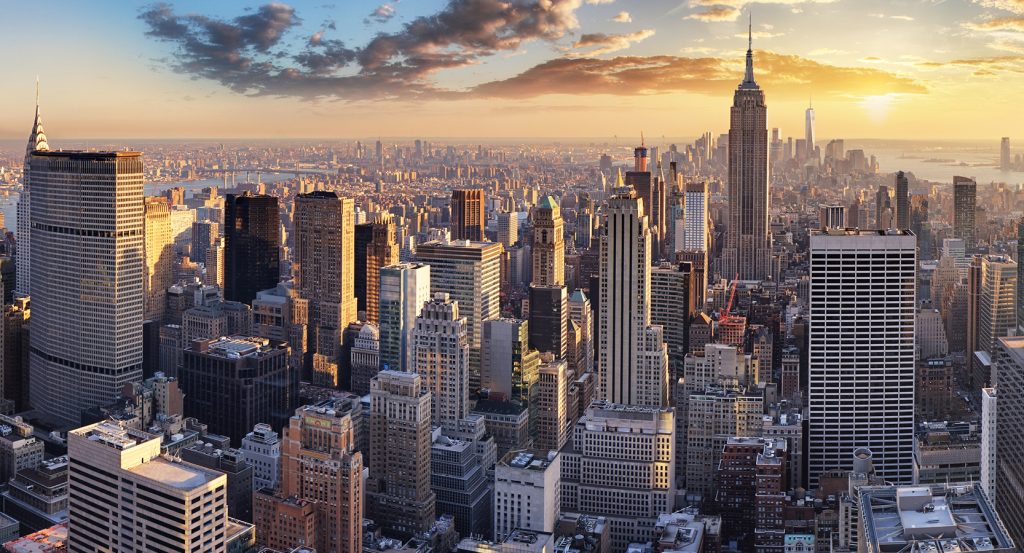
Begin at Museum at FIT, where Fashion Institute of Technology maintains more than 50,000 garments and accessories spanning centuries of fashion history, creating a natural extension of the textile culture that informs VLDG's interiors at the hotel. Continue to Fotografiska New York, where contemporary photography occupies the former Church Missions House by Robert W. Gibson and Edward J. Neville Stent, pairing changing photographic exhibitions with the richly ornamented architecture of Park Avenue South. Conclude at Empire State Building, where Shreve, Lamb & Harmon translated the commercial ambition of interwar Manhattan into a steel-framed skyscraper whose construction employed thousands of workers and permanently reshaped Midtown's vertical identity. The progression moves from FIT's study of fabric and fashion through contemporary photographic culture into the engineering ambition of Shreve, Lamb & Harmon, revealing the design disciplines that give Le Méridien New York Fifth Avenue its strongest NoMad context.
Where your story begins.
Foresyte Travel reveals places that feel extraordinary long before you arrive.
Experience premium editorial crafted for luxury travelers.







































































































