
Why Little West Street matters.
Little West Street is a refined Battery Park City corridor where Lower Manhattan's waterfront renewal, architectural ambition, Hudson River panoramas, and resilient urban planning define one of the city's most distinctive residential promenades.
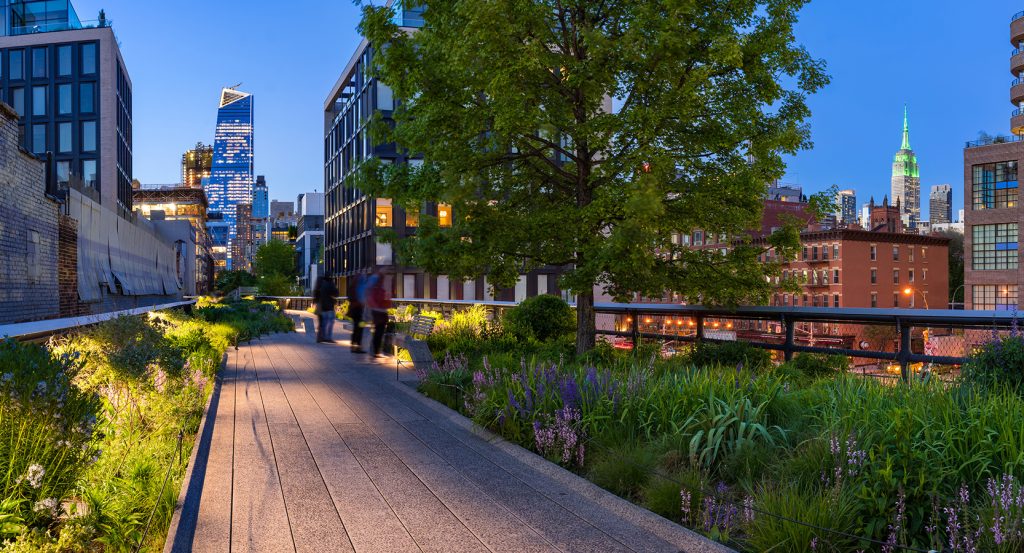
Running through Battery Park City between Battery Place and Vesey Street, this elegant north-south corridor traces the Hudson River waterfront past contemporary residential towers, landscaped esplanades, public art, intimate parks, and sweeping river views that demonstrate one of New York City's most ambitious urban redevelopment achievements. Tree-lined sidewalks, thoughtfully integrated green spaces, and uninterrupted access to the Hudson River Greenway create a streetscape that balances metropolitan density with an uncommon sense of openness along Manhattan's western edge. The corridor reveals how visionary planning transformed former shipping infrastructure into a spirited waterfront neighborhood that remains closely connected to Lower Manhattan's financial, cultural, and civic institutions. The result is a corridor defined by waterfront living, urban regeneration, and one of Manhattan's finest pedestrian environments.
What defines Little West Street.
Little West Street is best known for serving as the principal waterfront corridor through Battery Park City, the 92-acre planned community created by the Battery Park City Authority after its establishment in 1968 to redevelop 1.2 million cubic yards of landfill generated during construction of the original World Trade Center, transforming obsolete Hudson River piers into one of the most influential examples of late twentieth-century waterfront urban planning in the United States. Construction of Battery Park City began during the 1970s under a comprehensive master plan prepared by Wallace, McHarg, Roberts and Todd, while subsequent revisions by Cooper Eckstut Associates introduced the human-scaled street network, neighborhood blocks, waterfront esplanade, and mixed architectural character that define the district today. Little West Street subsequently became the neighborhood's primary riverfront boulevard, linking residential communities with Rockefeller Park, Wagner Park, Brookfield Place, and the World Trade Center while accommodating landmark residential architecture by internationally recognized firms including César Pelli, Robert A. M. Stern Architects, Polshek Partnership, and Ennead Architects. Following the terrorist attacks of September 11, 2001, the corridor underwent substantial reconstruction as sections bordering the World Trade Center were rebuilt, modernized, and integrated into the wider renewal of Lower Manhattan, reinforcing its importance within one of the city's most significant urban recovery projects.
Battery Park City's continuous waterfront esplanade, carefully programmed public parks, environmental design standards, and residential planning established a national benchmark for large-scale mixed-income waterfront redevelopment that has influenced comparable projects in cities throughout North America. Rockefeller Park, Teardrop Park, North Cove Marina, Irish Hunger Memorial, and numerous public art installations create a sequence of civic spaces that continually enrich the pedestrian experience along the corridor, while resilient shoreline improvements and flood protection initiatives introduced following Hurricane Sandy further strengthened the neighborhood's long-term sustainability. Contemporary residential towers, neighborhood schools, cultural institutions, and riverfront recreation collectively demonstrate how thoughtful planning, distinguished architecture, landscape design, and public investment transformed a former industrial shoreline into one of New York City's most successful waterfront communities.
How Little West Street fits.
Little West Street works as a waterfront exploration through Battery Park City's celebrated parks, memorials, and Hudson River landmarks.
Begin at Brookfield Place, where acclaimed dining, contemporary architecture, and the Winter Garden establish the neighborhood's sophisticated waterfront character before following Little West Street south along the Hudson River. Continue to Irish Hunger Memorial, whose powerful landscape installation offers one of Lower Manhattan's most moving historical experiences while overlooking the river. Conclude at Battery Park, where expansive harbor views, historic monuments, and ferries to the Statue of Liberty provide a memorable finale celebrating New York's enduring relationship with its waterfront. The progression moves naturally from contemporary urban development to cultural remembrance before concluding at one of the city's most historic public landscapes, revealing why Little West Street remains the defining corridor of Battery Park City's remarkable transformation.
Where your story begins.
Foresyte Travel reveals places that feel extraordinary long before you arrive.
Enjoy editorial crafted for luxury travelers.
Foresyte may earn a commission when you book.







































































































