
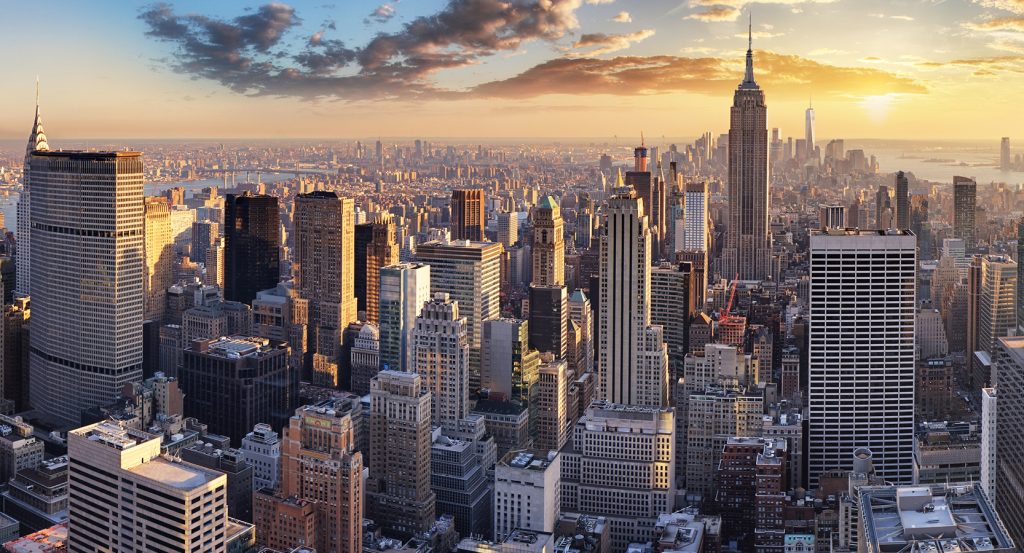
Why Pine Street matters.
Pine Street is a renowned Financial District corridor where banking power, architectural achievement, and New York's commercial rise converge along one of Lower Manhattan's most influential streets.
Running through the Financial District between Wall Street and The Seaport, this historic thoroughfare connects landmark skyscrapers, banking institutions, civic landmarks, commercial corridors, public plazas, and transportation hubs that have shaped New York's economic character for generations. Towering Art Deco structures, historic office buildings, narrow street canyons, architectural landmarks, and celebrated streetscapes create an environment defined by ambition and permanence. The corridor emerged as a major center of commerce during the nineteenth and early twentieth centuries as New York evolved into one of the world's foremost financial capitals. Bankers, merchants, financiers, architects, entrepreneurs, and civic leaders helped establish a district whose influence extended far beyond the city itself. To the west, Wall Street extends naturally from Pine Street through a collection of landmark institutions, historic corridors, and architectural icons that reinforce the street's enduring significance. The result is a street defined by economic influence, architectural distinction, and historical depth.
What defines Pine Street.
Pine Street is best known for housing 70 Pine Street, the iconic Art Deco skyscraper that was the third-tallest building in the world when it opened in 1932.
Developed by the Cities Service Company during the height of New York's skyscraper race, the tower became an enduring symbol of corporate ambition and engineering excellence. Designed by Clinton & Russell, Holton & George, the building showcased the dramatic setbacks, vertical emphasis, and decorative detailing that defined the Art Deco era. Its commanding presence helped establish Lower Manhattan as a center of architectural innovation during one of the most competitive periods in skyscraper history. Today, the structure remains one of the finest surviving examples of Art Deco architecture in New York City. Few streets maintain such a direct connection to a building that once ranked among the tallest structures on Earth.
How Pine Street fits.
Pine Street works as an exploration of New York's financial heritage, architectural ambition, and Lower Manhattan history.
Begin at 70 Pine Street, where the corridor's defining relationship with corporate power and architectural achievement immediately comes into focus. Continue toward Federal Hall National Memorial, whose civic significance reveals the political and financial foundations that helped shape the surrounding district across generations. From there, make your way to The Seaport, where the maritime commerce that fueled New York's rise provides broader perspective on the economic forces that transformed Lower Manhattan into a global center of trade and finance. Along the route, you'll encounter landmark skyscrapers, historic institutions, architectural masterpieces, public plazas, commercial corridors, transportation hubs, and celebrated streetscapes that showcase the remarkable depth of the district. The progression moves naturally from 70 Pine Street to Federal Hall National Memorial to The Seaport, revealing how finance, governance, and commerce combined to shape one of Manhattan's most consequential corridors. Pine Street remains one of New York's most rewarding streets, preserving a distinctive balance between architectural grandeur, economic significance, and enduring urban character.
Where your story begins.
Foresyte Travel reveals places that feel extraordinary long before you arrive.
Enjoy editorial crafted for luxury travelers.
Foresyte may earn a commission when you book.







































































































