
Why The Greenwich Hotel matters.
The Greenwich Hotel is an artisanal hotel where Tribeca's converted-warehouse character meets Robert De Niro's neighborhood-rooted vision, Grayling Design's hand-built architectural language and an international collection of craft traditions assembled to feel accumulated across generations.
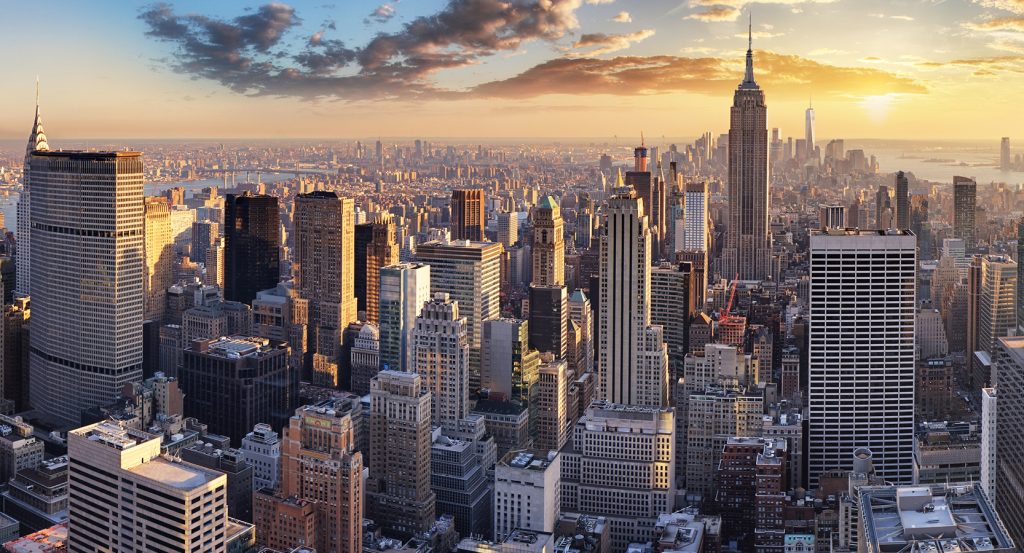
Set along Greenwich Street near North Moore Street and just steps from Hudson River Park, the hotel occupies a cobblestoned corner among nineteenth-century commercial buildings, former industrial structures and the lower rooflines that preserve Tribeca's unusually broad relationship with the western sky. Grayling Design composed the eight-story façade from handmade Pennsylvania brick, steel-framed windows and cast-bronze medallions modeled on historic New York manhole covers, giving the new construction the texture and irregularity of an older downtown building. Reclaimed heart pine, antique Tibetan rugs, Italian terra-cotta flooring and hand-carved architectural details extend that craftsmanship inward, with an enclosed courtyard creating a protected center behind the street-facing masonry. Individual interiors shift among Moroccan tile, English leather, Carrara marble, reclaimed timber and objects collected across Europe and Asia, making variation a deliberate part of the building's character. The result is a hotel whose handmade construction, reclaimed architectural fabric and deeply localized massing make a twenty-first-century development feel unusually embedded within Tribeca's older physical character.
What defines The Greenwich Hotel.
The Greenwich Hotel is best known for opening in April 2008 as Robert De Niro, Ira Drukier and Richard Born's ground-up luxury hotel on a Greenwich Street parcel De Niro had held with the intention of creating a deeply personal Tribeca property. De Niro approached Drukier and Born after seeking hotel partners capable of translating that ambition into an independently operated downtown project, bringing his neighborhood ties together with the founders of BD Hotels. Grayling Design principals Ian McPheely and Christian Garnett shaped the exterior and principal public areas as the firm's first hospitality venture, pursuing a building that could enter Tribeca's historic fabric with the visual weight of an older structure. Handmade Pennsylvania brick gave the façade deliberate variation, and custom bronze medallions derived from historic manhole-cover patterns introduced New York street imagery into the building itself. Salvaged glass from the Flatiron Building became a mirrored interior surface, and New England barn flooring was reworked into a rustic door, turning recovered architectural fragments into functional components of the new hotel. Italian country-estate floors inspired the terra-cotta tiles used inside, extending the project's craft references beyond New York into European domestic architecture. David Rockwell participated in the collaborative design process, working with De Niro and the ownership group as the project developed its combination of Tribeca industrial references and highly finished residential interiors. De Niro's father, painter Robert De Niro Sr., entered the hotel's cultural fabric through original artworks displayed across the property, connecting the actor's hospitality project with the Abstract Expressionist painter's artistic legacy. The completed building established a luxury counterpart within the BD Hotels portfolio and strengthened a downtown partnership among De Niro, Drukier and Born that also encompassed restaurant development.
Axel Vervoordt introduced another design chapter through the TriBeCa Penthouse, collaborating with Japanese architect Tatsuro Miki and hotel partners Ira Drukier and Robert De Niro on a residence shaped by Japanese Wabi principles and Tribeca's industrial past. Reclaimed elements sourced from the surrounding area joined antique furnishings from Asia and Europe, with Vervoordt conceiving the upper structure as an old workshop that had evolved into an artist's atelier and eventually a private dwelling. Shibui Spa carries Japanese architectural history below ground through the roof of a 250-year-old wooden and bamboo farmhouse imported from Japan and reconstructed by Japanese craftsmen above a lantern-lit swimming pool. Wood, water and stone govern the spa's physical composition, extending the property's commitment to aged surfaces and traditional workmanship into an environment distinct from the European and American references upstairs. Andrew Carmellini established Locanda Verde in 2009 after the original Ago restaurant closed, creating a new culinary partnership with Josh Pickard, Luke Ostrom, Drukier, Born and De Niro. Carmellini brought experience from San Domenico in Emilia-Romagna, Lespinasse, Le Cirque and Café Boulud into an urban Italian restaurant developed with Ken Friedman and Meyer Davis Studio. Locanda Verde earned two stars from The New York Times and a James Beard Foundation nomination for Best New Restaurant, giving the hotel a culinary institution with significance independent of the lodging operation. Carmellini's restaurant, Vervoordt and Miki's penthouse and the reconstructed Japanese farmhouse deepen three separate international traditions within the property, yet all depend on craftsmanship, patina and objects carrying visible histories. The Greenwich Hotel derives its unusual depth from De Niro, Drukier and Born's ability to bring architects, designers, artists and chefs into a property whose individual components share an insistence on workmanship and accumulated character.
How The Greenwich Hotel fits.
The Greenwich Hotel works as a Tribeca base for an outing connecting New York's emergence as a major poetry center, a landscape memorial built from the physical fabric of rural Ireland and a museum devoted to the engineering and cultural ambitions behind the vertical city.
Begin at Poets House, founded in 1985 by two-time United States Poet Laureate Stanley Kunitz and arts administrator Elizabeth Kray as a national home for poetry outside the traditional university and rare-book-library model. The organization built a major poetry library through its annual gathering of newly published volumes and developed programs connecting writers, readers, archival material and contemporary literary culture. Poets House moved to its permanent Battery Park City home in 2009, placing the institution beside the Hudson in a purpose-designed literary center that joined Lower Manhattan's expanding network of cultural organizations. Continue to Irish Hunger Memorial, created to commemorate the Great Irish Famine of 1845 through 1852 and connect that catastrophe with continuing questions of hunger across the world. Artist Brian Tolle developed the memorial with landscape architect Gail Wittwer-Laird and 1100 Architect around an authentic Famine-era cottage donated by Tolle's extended Slack family from Attymass in County Mayo. Irish soil, native vegetation and stones representing the country's counties cover the half-acre site, rising across a cantilevered landscape to an overlook twenty-five feet above the surrounding streets. Conclude at The Skyscraper Museum, founded in 1996 by architectural historian Carol Willis to examine tall buildings as works of architecture, engineering, real-estate development and urban history. The institution established its permanent Battery Park City home in 2004 within a development by Millennium Partners, with Skidmore, Owings & Merrill partner Roger Duffy designing the museum and Tishman Construction Corporation executing the work. Its core treatment of New York's commercial skyline places structural innovation, land economics and changing architectural ambition within the same field, turning the skyscraper itself into the subject of sustained historical interpretation. The progression moves from Kunitz and Kray's creation of a national center for poetry through Tolle, Wittwer-Laird and 1100 Architect's transformation of Irish land and a County Mayo cottage into a memorial landscape and culminates in Willis and Duffy's examination of the engineering and development forces that produced New York's vertical form.
Where your story begins.
Foresyte Travel reveals places that feel extraordinary long before you arrive.
Enjoy editorial crafted for luxury travelers.
Foresyte may earn a commission when you book.







































































































