
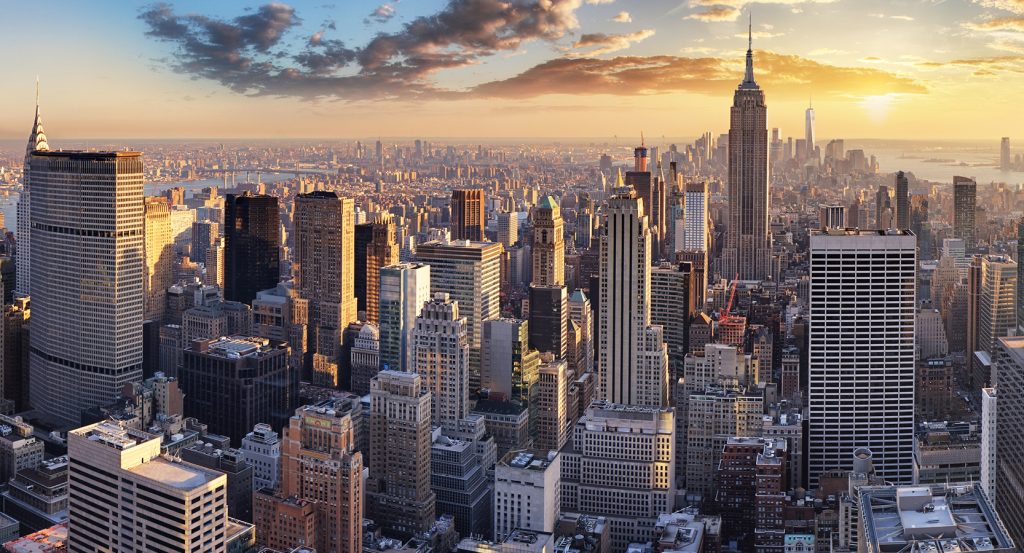
Why Tribeca East Historic District matters.
Tribeca East Historic District is a storied historic district where Tribeca's mercantile ambition, industrial craftsmanship, and enduring culture of reinvention remain etched into one of Manhattan's most extraordinary collections of nineteenth-century commercial architecture.
Set along Hudson Street near Duane Street and just steps from Duane Park, this preserved district anchors one of Lower Manhattan's most architecturally distinguished neighborhoods, where wholesale commerce, warehouse prosperity, and historic preservation have defined Tribeca for more than a century. Cast-iron facades, Romanesque Revival warehouses, cobblestone streets, ornate storefronts, converted lofts, industrial detailing, and meticulously preserved streetscapes create an environment defined by authenticity and character. Developed during New York's rise as a global commercial powerhouse, the district reflects the extraordinary scale and ambition of nineteenth-century urban growth. What once served merchants, importers, and wholesalers now stands among the city's most coveted residential and cultural landscapes. The result is a destination defined by architectural integrity, historical depth, and neighborhood identity.
What defines Tribeca East Historic District.
Tribeca East Historic District is best known for preserving one of the finest concentrations of nineteenth-century commercial and warehouse architecture in Lower Manhattan.
The district emerged during an era when Tribeca functioned as a critical center of storage, distribution, and mercantile trade serving New York's rapidly expanding economy. Architects and developers constructed substantial masonry and cast-iron buildings that balanced utility with architectural sophistication, creating streetscapes that remain remarkably intact today. As industrial activity declined during the twentieth century, many structures were transformed into artist lofts, residences, galleries, and creative spaces, helping define Tribeca's modern character. Landmark protections ensured that much of the neighborhood's architectural fabric survived this transition. Few historic districts capture New York's evolution from commercial hub to cultural destination so completely.
How Tribeca East Historic District fits.
Tribeca East Historic District works as an exploration of the architectural landmarks, preserved streetscapes, and cultural destinations that define one of Manhattan's most celebrated neighborhoods.
Begin at Duane Park, where the neighborhood's defining relationship with community life, preservation, and urban character immediately comes into focus. Continue toward Tribeca East Historic District, whose historic warehouses and architectural treasures reveal the commercial foundations that shaped Tribeca across generations. From there, make your way to The Ghostbusters Firehouse, where neighborhood identity, popular culture, and architectural continuity provide a broader perspective on the creative influences that continue to define the district today. Along the route, you'll encounter cobblestone streets, cast-iron buildings, historic warehouses, community gathering spaces, architectural landmarks, cultural icons, and celebrated neighborhood treasures that showcase the district's remarkable depth. The progression moves naturally from neighborhood park to preserved historic district to beloved cultural landmark, revealing how commerce, preservation, and reinvention transformed Tribeca into one of New York's most admired communities. Tribeca East Historic District remains one of the city's most rewarding historic destinations, preserving a remarkable balance between industrial heritage, architectural beauty, and neighborhood character.
Where your story begins.
Foresyte Travel reveals places that feel extraordinary long before you arrive.
Enjoy editorial crafted for luxury travelers.
Foresyte may earn a commission when you book.







































































































