
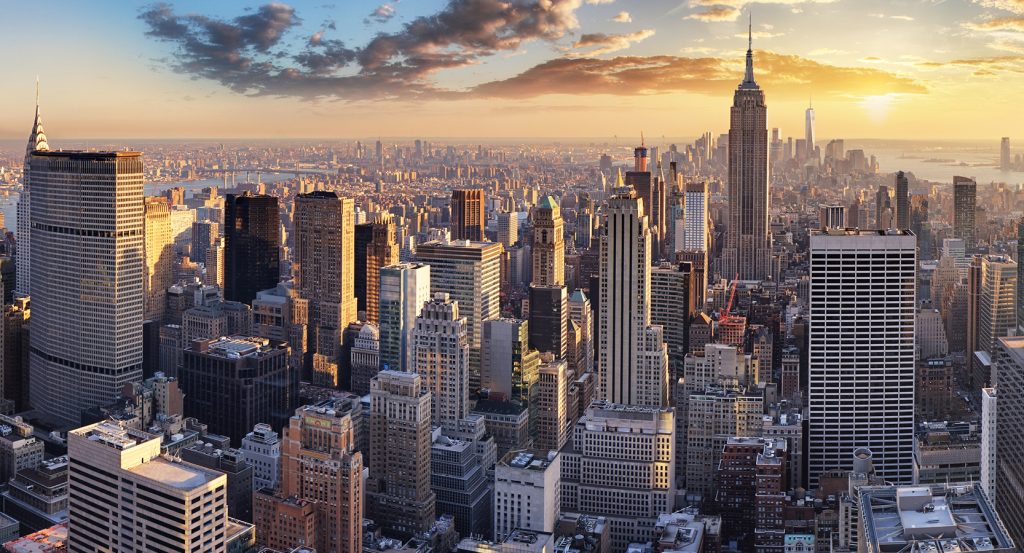
Why Turtle Bay matters.
Turtle Bay is a distinguished enclave where Midtown's diplomatic influence, architectural heritage, residential elegance, and global significance converge into one of New York City's most internationally recognized neighborhoods.
Positioned between Murray Hill, Sutton Place, and Midtown East, tree-lined streets, historic townhouses, modern skyscrapers, and quiet residential enclaves create an environment where international diplomacy coexists with longstanding neighborhood character. Landmark institutions, carefully preserved architecture, and generations of thoughtful urban development distinguish Turtle Bay while reflecting its transformation from an industrial East River waterfront into a globally influential residential district. Historic streetscapes, cultural institutions, and world-renowned organizations collectively reinforce a neighborhood whose character extends far beyond Manhattan. The result is an experience defined by international importance, architectural refinement, and a neighborhood where local history and global affairs intersect every day.
What defines Turtle Bay.
Turtle Bay is best known for evolving from a seventeenth-century East River cove into one of New York City's foremost diplomatic districts after extensive nineteenth-century waterfront filling, industrial redevelopment, and twentieth-century urban transformation culminated in the establishment of United Nations Headquarters between 1947 and 1952. The neighborhood derives its name from the former Turtle Bay inlet, recorded during the Dutch colonial period, while residential development accelerated during the late nineteenth and early twentieth centuries through brownstones, rowhouses, apartment buildings, and institutional construction replacing slaughterhouses, breweries, and riverside industries. United Nations Headquarters, designed by an international team including Wallace K. Harrison, Le Corbusier, and Oscar Niemeyer, occupies an 18-acre campus completed in 1952 and serves as the permanent headquarters for one of the world's principal intergovernmental organizations representing 193 member states. Turtle Bay also encompasses the Turtle Bay Gardens Historic District, where twenty residences constructed between 1918 and 1921 were reorganized around a shared landscaped garden by developer Charlotte Hunnewell Sorchan, creating one of Manhattan's earliest and most influential private garden enclaves.
Diplomatic prominence encouraged the establishment of permanent missions, international organizations, and foreign cultural institutions that collectively transformed Turtle Bay into one of the world's highest concentrations of diplomatic activity outside national capitals. Architectural evolution continued through influential residential commissions by architects including James Gamble Rogers II and Rosario Candela, whose apartment buildings introduced refined interpretations of prewar Manhattan design while reinforcing the neighborhood's residential prestige. Literary and cultural history became equally significant as authors E. B. White and Kurt Vonnegut, composer Stephen Sondheim, and numerous journalists, diplomats, and public figures made Turtle Bay their home during the twentieth century, contributing to its enduring intellectual reputation. Together, these diplomatic, architectural, and cultural developments demonstrate how Turtle Bay evolved into a neighborhood where international governance, distinguished residential design, and creative achievement remain closely intertwined.
How Turtle Bay fits.
Turtle Bay works as a full-day exploration of international diplomacy, architectural heritage, and East River history.
Begin at United Nations Headquarters, where expansive Modernist architecture, international diplomacy, and the General Assembly complex introduce the global role that defines Turtle Bay's modern identity. Continue to Turtle Bay Gardens Historic District, whose restored townhouses and shared private garden reveal the residential planning and architectural preservation that quietly distinguish the neighborhood behind its diplomatic prominence. Conclude at Dag Hammarskjöld Plaza, where public art, international memorials, seasonal markets, and views toward the United Nations provide a fitting finale celebrating the civic landscape that has become synonymous with global cooperation. The progression moves naturally from international governance through residential heritage before concluding within a public space dedicated to diplomacy, revealing why Turtle Bay occupies a distinctive place within both New York City and the world.
Where your story begins.
Foresyte Travel reveals places that feel extraordinary long before you arrive.
Enjoy editorial crafted for luxury travelers.
Foresyte may earn a commission when you book.







































































































