
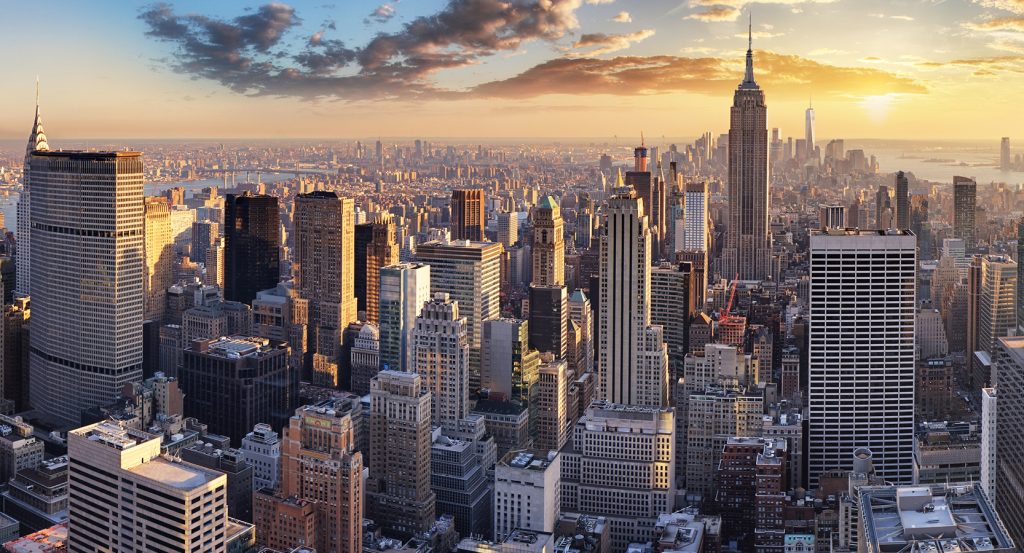
Why West Chelsea matters.
West Chelsea is a transformative Manhattan neighborhood where contemporary art, industrial heritage, and architectural innovation converge within one of the world's most influential cultural districts.
Positioned between Chelsea, Hudson Yards, and the Meatpacking District, this dynamic neighborhood connects internationally renowned galleries, adaptive reuse landmarks, residential developments, public spaces, and creative institutions that have reshaped Manhattan's west side over the past several decades. Former warehouses, elevated rail infrastructure, contemporary architecture, and converted industrial buildings create a landscape defined by reinvention and ambition. The district evolved from a working industrial zone serving freight, manufacturing, and distribution networks into a globally recognized center for contemporary art and urban redevelopment. Artists, curators, developers, architects, and cultural organizations helped establish a reputation that attracts collectors, creators, and visitors from around the world. To the south, the Meatpacking District extends naturally from West Chelsea through a collection of cultural destinations, historic streets, and public gathering spaces that reinforce the neighborhood's enduring significance. The result is a neighborhood defined by creative influence, urban transformation, and cultural leadership.
What defines West Chelsea.
West Chelsea is best known for containing the highest concentration of contemporary art galleries in New York City, establishing the neighborhood as one of the most important centers of contemporary art in the world.
Beginning in the 1990s, galleries increasingly relocated from SoHo to West Chelsea, drawn by larger industrial spaces that could accommodate ambitious exhibitions and evolving artistic practices. Over time, the neighborhood became home to many of the most influential galleries in the international art market, helping shape trends in contemporary art, collecting, and cultural discussion. The concentration of institutions created an ecosystem where artists, curators, collectors, and critics regularly intersected, elevating the district's global profile. The neighborhood's influence extends far beyond New York, with exhibitions and cultural events attracting audiences from across the world. Few urban districts possess such a direct association with the contemporary art ecosystem at an international scale.
How West Chelsea fits.
West Chelsea works as an exploration of contemporary art, architectural innovation, and waterfront Manhattan.
Begin at The High Line, where the neighborhood's defining relationship with adaptive reuse and urban transformation immediately comes into focus. Continue toward Chelsea Market, whose historic industrial structure reveals the commercial and cultural forces that helped shape the surrounding district across generations. From there, make your way to Little Island, where innovative design and public space provide broader perspective on the neighborhood's continuing evolution along the Hudson River waterfront. Along the route, you'll encounter world-class galleries, converted warehouses, contemporary architecture, public art installations, creative institutions, neighborhood gathering places, and celebrated streetscapes that showcase the district's remarkable depth. The progression moves naturally from The High Line to Chelsea Market to Little Island, revealing how culture, design, and redevelopment combined to transform West Chelsea into one of New York's most influential neighborhoods. West Chelsea remains one of Manhattan's most rewarding districts, preserving a distinctive balance between artistic leadership, architectural experimentation, and urban vitality.
Where your story begins.
Foresyte Travel reveals places that feel extraordinary long before you arrive.
Enjoy editorial crafted for luxury travelers.
Foresyte may earn a commission when you book.







































































































