
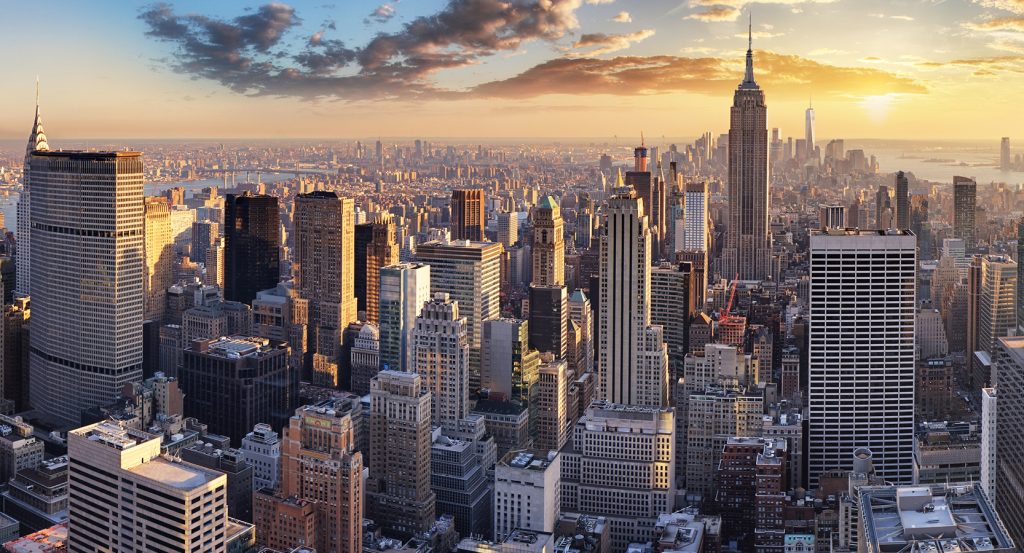
Why you should experience Dover Street in New York, NY.
Dover Street is a storied corridor where Two Bridges' maritime heritage, immigrant legacy, waterfront commerce, and enduring Lower Manhattan character shape one of Manhattan's historic riverfront streets.
Running through Two Bridges between Civic Center and Chinatown, the corridor connects historic commercial buildings, public housing communities, neighborhood institutions, waterfront infrastructure, and residential blocks that collectively reflect more than two centuries of carefully guided urban development. Brick mercantile buildings, nineteenth-century warehouses, institutional landmarks, modern residential towers, and evolving streetscapes reveal a corridor shaped by maritime trade, immigration, bridge construction, and sustained neighborhood renewal. Residents, merchants, civic organizations, waterfront planners, entrepreneurs, and community institutions continue reinforcing Dover Street's importance while supporting housing, commerce, transportation, and civic life throughout Two Bridges. The result is an experience defined by historical continuity, waterfront resilience, and the enduring character of one of Manhattan's overlooked riverfront streets.
What you should know about Dover Street.
Dover Street is best known for occupying a strategic position near the historic East River waterfront, where shipping, wholesale commerce, and immigrant settlement established Lower Manhattan as the nation's leading port during the eighteenth and nineteenth centuries. The corridor developed adjacent to the former Catharine Market, established in 1786, whose merchants, fishermen, produce dealers, and waterfront businesses supplied New York's rapidly expanding population while anchoring commercial life along the East River for more than a century. Its surroundings changed dramatically following construction of the Manhattan Bridge, completed in 1909, and continued public housing, highway, and waterfront redevelopment projects that reshaped the Two Bridges neighborhood throughout the twentieth century. Today Dover Street reflects more than two centuries of planning that integrates maritime history, transportation infrastructure, residential development, and neighborhood preservation within one of New York City's most historically layered urban corridors.
The corridor's civic landscape is reinforced by nearby Alfred E. Smith Houses, completed by the New York City Housing Authority in 1953, representing one of Lower Manhattan's major postwar public housing developments. Recreational space continues at Captain Jacob Joseph Playground, named for the longtime Lower East Side civic leader and serving neighborhood families with athletic courts, playgrounds, and community facilities under the stewardship of the New York City Department of Parks and Recreation. Nearby The Seaport Historic District, designated a National Historic Landmark District in 1977, preserves one of the nation's finest collections of nineteenth-century mercantile buildings while documenting New York's emergence as a global port. Together, these residential, recreational, and maritime landmarks reveal how Dover Street has evolved within a district where waterfront history, public investment, and neighborhood continuity continue reinforcing one another.
How to fold Dover Street into your trip.
Dover Street works as an exploration of Two Bridges' maritime heritage, historic waterfront, and neighborhood institutions.
Begin at Captain Jacob Joseph Playground, where neighborhood life introduces the community surrounding the corridor. Continue to the Alfred E. Smith Houses, whose scale and history deepen Dover Street's connection to twentieth-century urban development and public housing. Conclude at the The Seaport Historic District, where preserved waterfront architecture provides a fitting finale connecting Dover Street's neighborhood character with Manhattan's centuries-long maritime legacy. The progression moves naturally from community gathering space to residential history before concluding along the historic waterfront, revealing why Dover Street remains one of Manhattan's enduring links between the city's working harbor and its evolving neighborhoods.
Where your story begins.
Foresyte Travel reveals places that feel extraordinary long before you arrive.
Experience premium editorial crafted for luxury travelers.







































































































