Why Anna Scripps Whitcomb Conservatory matters.
Anna Scripps Whitcomb Conservatory is Detroit's living cathedral of light and life.
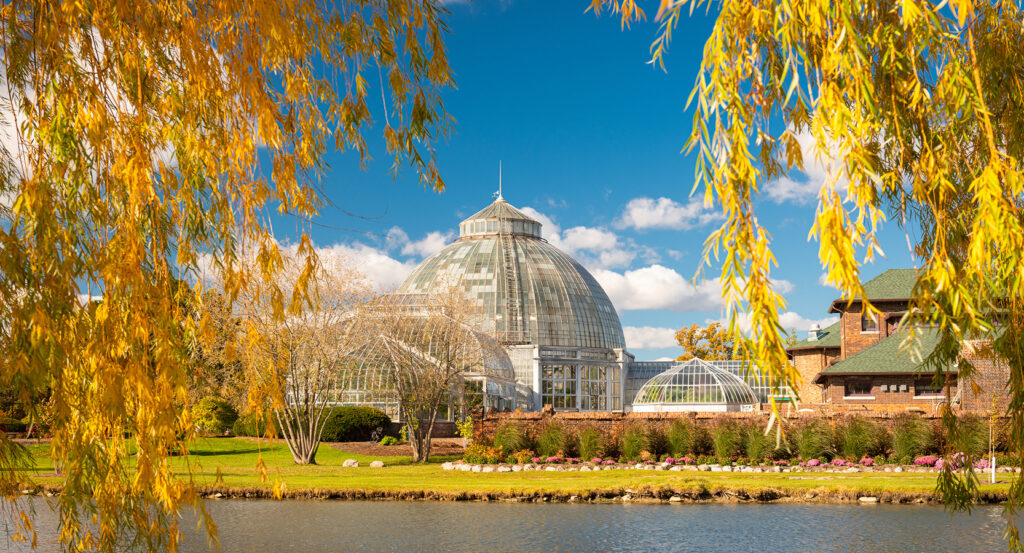
Perched on the historic Belle Isle, this century-old glass jewel glows like a prism against the skyline, a sanctuary where the city's energy gives way to nature's calm. Opened in 1904 and designed by Albert Kahn, the architectural mind behind much of Detroit's industrial grandeur, the conservatory remains one of the oldest continuously operating glasshouses in the United States. Step inside, and the world changes: humidity gathers on the glass, orchids bloom in suspended stillness, and palms rise toward the dome like green columns holding up the sky. The air is thick with life, from tropical ferns and exotic fruit trees to desert cacti sculpted by time. Every path curves toward wonder, every chamber a window into another climate, another rhythm. On winter days, when snow settles on the glass dome, stepping inside feels like crossing into another world, one humming with warmth, color, and memory. The Whitcomb Conservatory doesn't just preserve nature, it celebrates resilience, growth, and Detroit's enduring soul.
What defines Anna Scripps Whitcomb Conservatory.
Behind its tranquil canopy lies a story of vision, generosity, and cultural endurance.
Originally named the Horticultural Building, the conservatory was renamed in 1955 to honor Anna Scripps Whitcomb, who donated her extensive orchid collection, more than 600 rare species, to the city. Her gift transformed the conservatory into a global landmark, helping it survive both financial hardship and Detroit's shifting fortunes over the decades. Its design, inspired by London's Crystal Palace, features an impressive 85-foot glass dome that crowns five distinct environments: the Palm House, Tropical House, Cactus House, Fernery, and Show House. Within these rooms, thousands of plant species thrive, some over a century old. Restoration efforts in recent years have preserved both the architecture and the ecosystems it shelters, ensuring that Kahn's original iron and glass vision remains both functional and breathtaking. Beyond its beauty, the conservatory is a lesson in urban resilience, a place where a city that built cars and conquered steel also chose to nurture silence, growth, and green.
How Anna Scripps Whitcomb Conservatory fits.
To experience the Whitcomb Conservatory in full bloom, pair patience with curiosity.
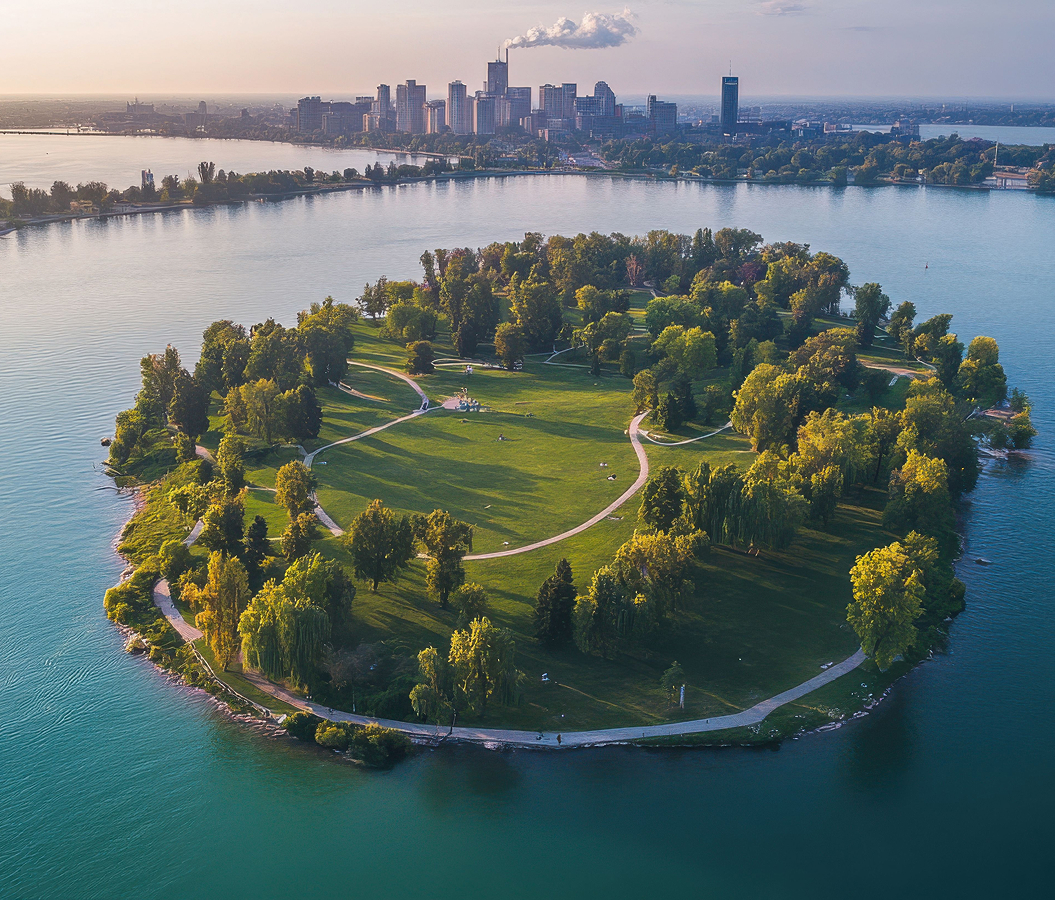
Begin at the Palm House, where the air is thick with the scent of soil and the hush of water trickling through stone. Then wander into the Tropical House, a humid paradise of orchids, banana trees, and exotic blooms glowing under dappled light. The Cactus House offers a striking contrast, its sculptural succulents casting long shadows in the desert heat. Make your way through the Fernery, a cool subterranean chamber where moss and mist create a world apart from the city outside. Before leaving, linger in the Show House, where rotating floral displays mark the seasons in color and fragrance. Step out into the surrounding Belle Isle Park, with its fountains, lagoons, and skyline views, and let the breeze remind you how the conservatory bridges two worlds: the industrial and the natural, the constructed and the eternal. Whether you visit in the depths of winter or the height of summer, Anna Scripps Whitcomb Conservatory stands as Detroit's green heartbeat, a monument to growth, generosity, and the quiet endurance of beauty.
Where your story begins.
Foresyte Travel reveals places that feel extraordinary long before you arrive.
Enjoy editorial crafted for luxury travelers.
Foresyte may earn a commission when you book.