
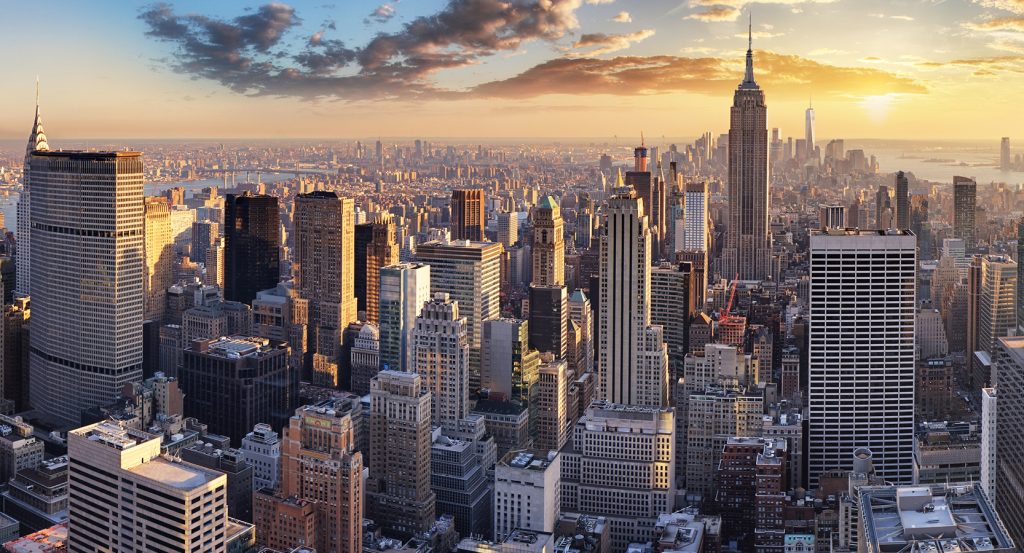
Why Crosby Street matters.
Crosby Street is a renowned SoHo corridor where industrial heritage, artistic reinvention, and architectural preservation converge along one of Manhattan's most iconic streets.
Running through SoHo between NoHo and Tribeca, this historic cobblestone thoroughfare connects landmark cast-iron buildings, cultural destinations, boutique storefronts, neighborhood institutions, public gathering spaces, and architectural treasures that have shaped local life for generations. Belgian-block paving, preserved warehouse facades, cast-iron architecture, creative workspaces, and celebrated streetscapes create an environment defined by authenticity and design excellence. The corridor emerged during the nineteenth century as part of SoHo's thriving manufacturing and commercial district before evolving into a center of artistic expression and creative enterprise. Artists, architects, entrepreneurs, preservationists, designers, and residents helped establish a legacy that transformed the neighborhood into one of the world's most influential urban districts. To the south, Tribeca extends naturally from Crosby Street through a collection of historic streets, cultural landmarks, and neighborhood destinations that reinforce the corridor's enduring significance. The result is a street defined by architectural distinction, creative influence, and enduring downtown character.
What defines Crosby Street.
Crosby Street is best known for containing one of the largest concentrations of preserved cast-iron architecture in the world within the SoHo-Cast Iron Historic District.
During the late nineteenth century, cast-iron construction revolutionized commercial architecture by allowing larger windows, decorative facades, and more efficient building methods. Crosby Street became part of a district that showcased this innovation at an extraordinary scale, helping define the visual character of SoHo. As manufacturing declined, artists and preservationists championed the protection of these buildings, transforming the area into a model of adaptive reuse and historic preservation. Today, the street remains a defining example of New York's architectural evolution. Few Manhattan corridors maintain such a direct connection to an architectural movement that reshaped commercial design worldwide.
How Crosby Street fits.
Crosby Street works as an exploration of SoHo's architecture, creative culture, and neighborhood character.
Begin at the SoHo-Cast Iron Historic District, where the corridor's defining relationship with preservation, design, and urban innovation immediately comes into focus. Continue toward the New York City Fire Museum, whose exhibits reveal the civic and industrial history that helped shape the surrounding district across generations. From there, make your way to Washington Square Park, where one of Manhattan's most celebrated public spaces provides broader perspective on the artistic, cultural, and community traditions that continue to define Downtown New York today. Along the route, you'll encounter cast-iron landmarks, cultural institutions, architectural treasures, boutique destinations, public gathering spaces, neighborhood landmarks, and celebrated streetscapes that showcase the remarkable depth of the area. The progression moves naturally from the SoHo-Cast Iron Historic District to the New York City Fire Museum to Washington Square Park, revealing how industry, creativity, and preservation combined to shape one of Manhattan's most influential corridors. Crosby Street remains one of New York's most rewarding thoroughfares, preserving a distinctive balance between historical significance, architectural beauty, and contemporary urban vitality.
Where your story begins.
Foresyte Travel reveals places that feel extraordinary long before you arrive.
Enjoy editorial crafted for luxury travelers.
Foresyte may earn a commission when you book.







































































































