
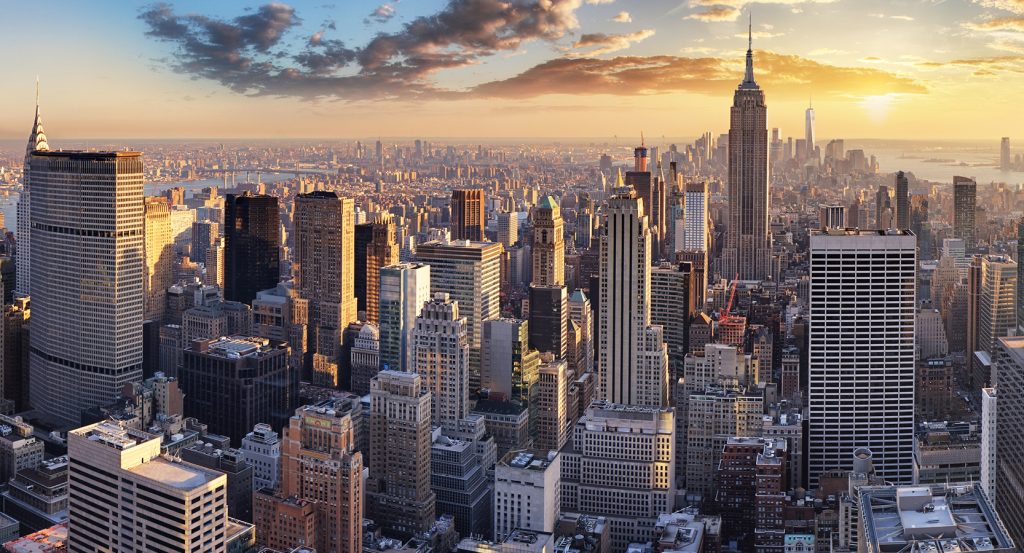
Why you should experience Peck Slip in New York, NY.
Peck Slip is a historic Seaport corridor where maritime commerce, colonial street patterns, and waterfront heritage converge along one of Lower Manhattan's most distinctive streets.
Running through the The Seaport between the Financial District and Two Bridges, this historic thoroughfare connects preserved mercantile buildings, waterfront landmarks, public plazas, cultural institutions, residential communities, and commercial destinations that have shaped local life for generations. Cobblestone streets, nineteenth-century warehouses, restored brick facades, maritime-era architecture, and intimate streetscapes create an environment defined by historical continuity and urban character. The corridor originated during New York's rise as a major Atlantic port, when slips extending into the East River supported the ships, merchants, and cargo that fueled the city's economic growth. Sailors, traders, shipbuilders, merchants, dockworkers, and entrepreneurs helped establish a neighborhood character deeply tied to maritime commerce and global exchange. To the west, the Financial District extends naturally from Peck Slip through a collection of historic streets, landmark institutions, and architectural icons that reinforce the corridor's enduring significance. The result is a street defined by waterfront history, commercial legacy, and enduring authenticity.
What you should know about Peck Slip.
Peck Slip is best known for preserving the footprint of one of Manhattan's original East River docking slips, a vital maritime inlet that once accommodated commercial vessels during New York's emergence as America's leading port city.
Named after merchant Jacob Peck, the slip served as an active waterfront facility where ships unloaded goods arriving from around the world during the eighteenth and nineteenth centuries. The inlet played an important role in supporting the commercial activity that transformed Lower Manhattan into one of the busiest trading centers in the Atlantic world. Although the waterway was eventually filled in as the city expanded eastward, its historic alignment remains visible in the modern street pattern. The survival of the name and urban form offers a rare physical connection to New York's maritime past. Few streets in Manhattan maintain such a direct relationship with the waterfront infrastructure that helped build the city's global commercial prominence.
How to fold Peck Slip into your trip.
Peck Slip works as an exploration of New York's maritime heritage, waterfront culture, and historic urban fabric.
Begin at The Seaport Museum, where the corridor's defining relationship with shipping, commerce, and waterfront life immediately comes into focus. Continue toward Wavertree, the preserved nineteenth-century sailing ship whose historic significance reveals the global maritime networks that shaped the neighborhood across generations. From there, make your way to Pier 17, where sweeping East River views provide broader perspective on the waterfront transformation that continues to define the district today. Along the route, you'll encounter historic warehouses, maritime landmarks, cultural institutions, waterfront promenades, public gathering spaces, architectural treasures, and celebrated river vistas that showcase the remarkable depth of the neighborhood. The progression moves naturally from The Seaport Museum to Wavertree to Pier 17, revealing how shipping, commerce, and preservation combined to shape one of Manhattan's most historically significant waterfront districts. Peck Slip remains one of New York's most rewarding corridors, preserving a distinctive balance between maritime legacy, architectural character, and enduring neighborhood vitality.
Where your story begins.
Foresyte Travel reveals places that feel extraordinary long before you arrive.
Experience premium editorial crafted for luxury travelers.







































































































