Why Port Richmond matters.
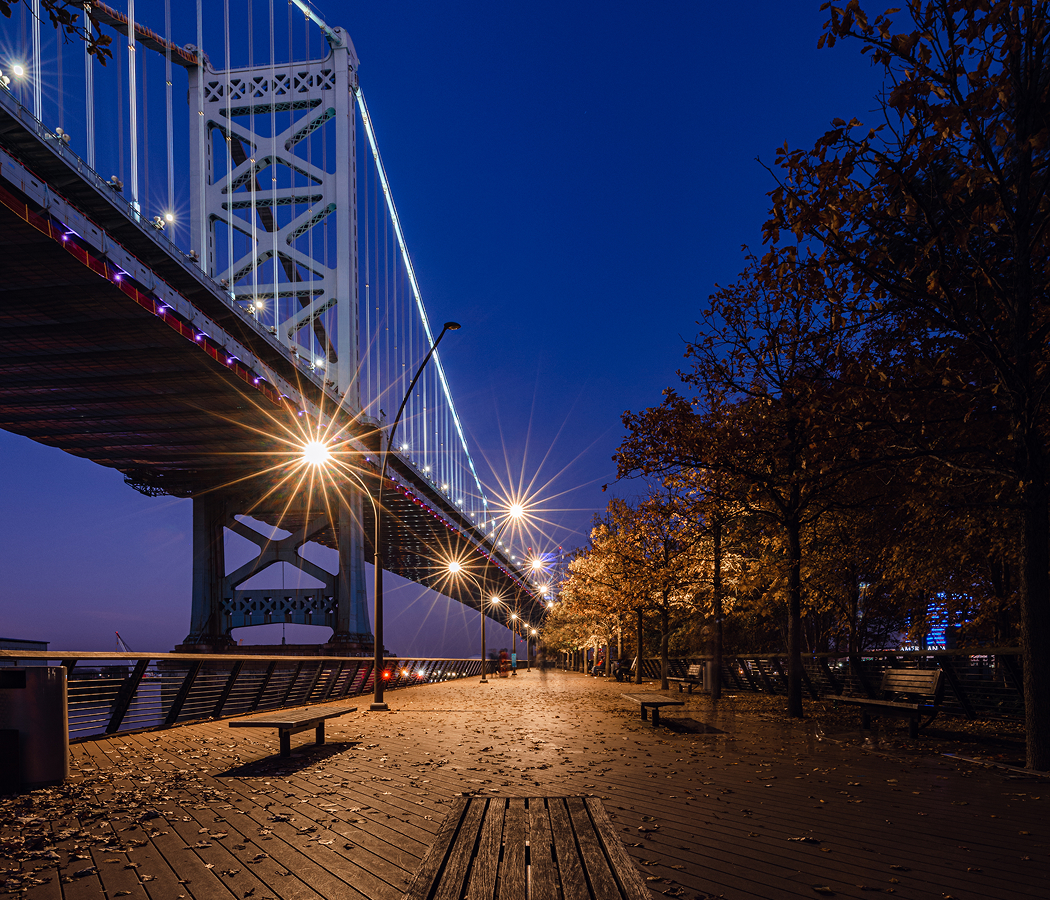
Port Richmond is a historic River Wards neighborhood where maritime industry, immigrant heritage, and working waterfront traditions converge around one of Philadelphia's most enduring port communities.
Positioned between Olde Richmond, Bridesburg, and Kensington, this character-rich neighborhood blends nineteenth-century brick rowhouses, active marine terminals, neighborhood churches, longstanding Polish businesses, riverside industry, and historic commercial corridors into a landscape shaped by generations of shipbuilders, dockworkers, manufacturers, and immigrant families. The Delaware River continues to define the neighborhood's identity, while tightly knit residential streets preserve a remarkable sense of continuity that has endured through decades of industrial change. The result is a neighborhood defined by maritime heritage, cultural resilience, and enduring community pride.
What defines Port Richmond.
Port Richmond is best known for serving as one of the world's largest coal-exporting ports during the late nineteenth and early twentieth centuries, where the Reading Railroad's Richmond Coal Piers loaded more than 20 million tons of anthracite coal annually onto oceangoing vessels, making Philadelphia the dominant gateway for Pennsylvania's coal industry and fueling industrial economies across Europe, South America, and the eastern United States.
The immense coal handling operation transformed the Delaware waterfront into one of the busiest maritime landscapes on Earth, with railcars arriving continuously from Pennsylvania's coal fields before unloading onto massive gravity-fed loading structures engineered for unprecedented efficiency. Thousands of longshoremen, railroad workers, engineers, and mariners sustained an industrial complex whose influence reached far beyond Philadelphia. Although the coal era has passed, Port Richmond continues to preserve the character of one of America's greatest working waterfront neighborhoods.
How Port Richmond fits.
Port Richmond works as an exploration of Philadelphia's maritime history, immigrant traditions, and riverfront landscapes.
Begin in the morning at Campbell Square, where one of Philadelphia's oldest neighborhood parks immediately introduces the strong community character that has long defined Port Richmond. Continue toward Richmond Street, whose historic commercial corridor reveals generations of Polish heritage, neighborhood businesses, and architectural character that grew alongside the waterfront industries. From there, make your way to Graffiti Pier, where dramatic Delaware River views, grand industrial ruins, and ever-changing street art provide a memorable conclusion while illustrating the continuing evolution of Philadelphia's working waterfront. Along the route, historic churches, classic rowhouses, neighborhood bakeries, active rail infrastructure, and sweeping river vistas demonstrate how Port Richmond seamlessly connects one of America's greatest industrial ports with one of Philadelphia's most authentic residential communities. The progression moves naturally from historic neighborhood park to energetic commercial corridor to iconic waterfront destination, revealing why Port Richmond remains one of the city's most fascinating historic neighborhoods.
Where your story begins.
Foresyte Travel reveals places that feel extraordinary long before you arrive.
Enjoy editorial crafted for luxury travelers.
Foresyte may earn a commission when you book.