
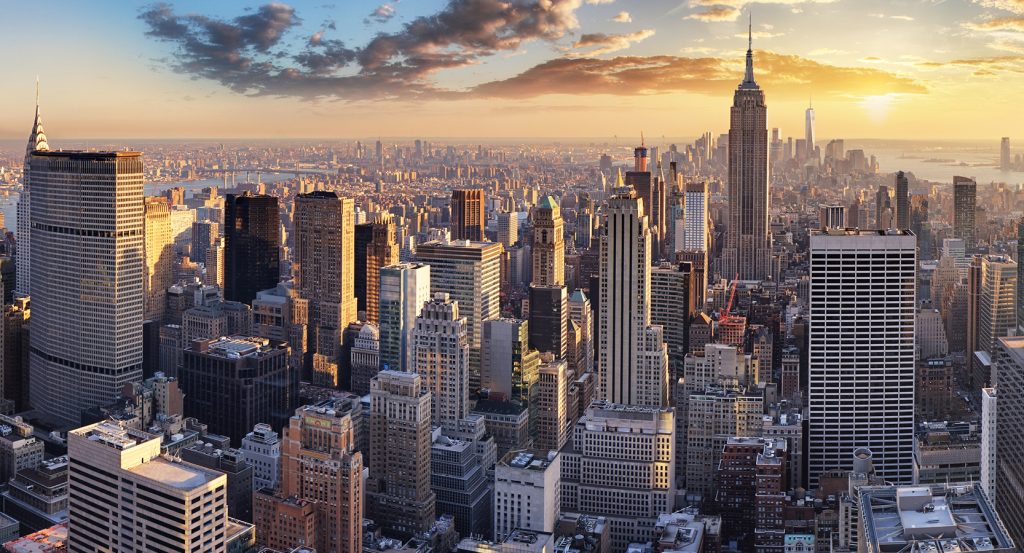
Why 7th Avenue matters.
7th Avenue is a renowned Manhattan corridor where transportation history, commercial influence, and cultural character converge along one of the city's most consequential avenues.
Running through Midtown between Chelsea and Central Park South, this iconic thoroughfare connects landmark skyscrapers, transportation hubs, entertainment districts, corporate headquarters, cultural institutions, and commercial centers that have shaped New York life for generations. Towering office buildings, historic theaters, major transit infrastructure, thriving intersections, and celebrated streetscapes create an environment defined by movement and ambition. The corridor evolved dramatically during the early twentieth century as city planners extended and widened portions of the avenue to accommodate New York's rapidly growing population and economy. Architects, engineers, business leaders, performers, commuters, and residents helped establish a corridor that became synonymous with modern urban life. To the south, Chelsea extends naturally from 7th Avenue through a collection of historic streets, cultural institutions, and neighborhood landmarks that reinforce the avenue's enduring significance. The result is a corridor defined by connectivity, influence, and metropolitan energy.
What you should know 7th Avenue.
7th Avenue is best known for passing directly through Times Square, the globally recognized entertainment district often referred to as “The Crossroads of the World” because of its unparalleled concentration of theaters, media, advertising, and pedestrian activity.
The intersection emerged as a major cultural destination following the arrival of the New York Times headquarters in 1904 and rapidly evolved into the symbolic heart of American entertainment. Broadway theaters, illuminated advertising displays, media companies, and public celebrations helped transform the district into one of the most visited urban destinations on Earth. Annual events such as the New Year's Eve Ball Drop further reinforced its status as an internationally recognized landmark. Today, Times Square attracts tens of millions of visitors each year and remains one of the most influential public spaces in the world. Few streets maintain such a direct connection to a destination that has become synonymous with New York City itself.
How 7th Avenue fits.
7th Avenue works as an exploration of Manhattan's entertainment culture, transportation legacy, and architectural ambition.
Begin at Times Square, where the corridor's defining relationship with performance, media, and public life immediately comes into focus. Continue toward Madison Square Garden, whose role as one of the world's most famous arenas reveals the entertainment and sporting traditions that helped shape the avenue across generations. From there, make your way to Carnegie Hall, where one of the most celebrated concert venues in the world provides broader perspective on the cultural influence that extends throughout Midtown. Along the route, you'll encounter landmark theaters, transportation hubs, architectural icons, public plazas, entertainment venues, commercial centers, and celebrated streetscapes that showcase the remarkable depth of the corridor. The progression moves naturally from Times Square to Madison Square Garden to Carnegie Hall, revealing how entertainment, mobility, and cultural achievement combined to shape one of New York's most influential avenues. 7th Avenue remains one of Manhattan's most rewarding thoroughfares, preserving a distinctive balance between commercial significance, cultural prestige, and enduring urban vitality.
Where your story begins.
Foresyte Travel reveals places that feel extraordinary long before you arrive.
Enjoy editorial crafted for luxury travelers.
Foresyte may earn a commission when you book.







































































































