
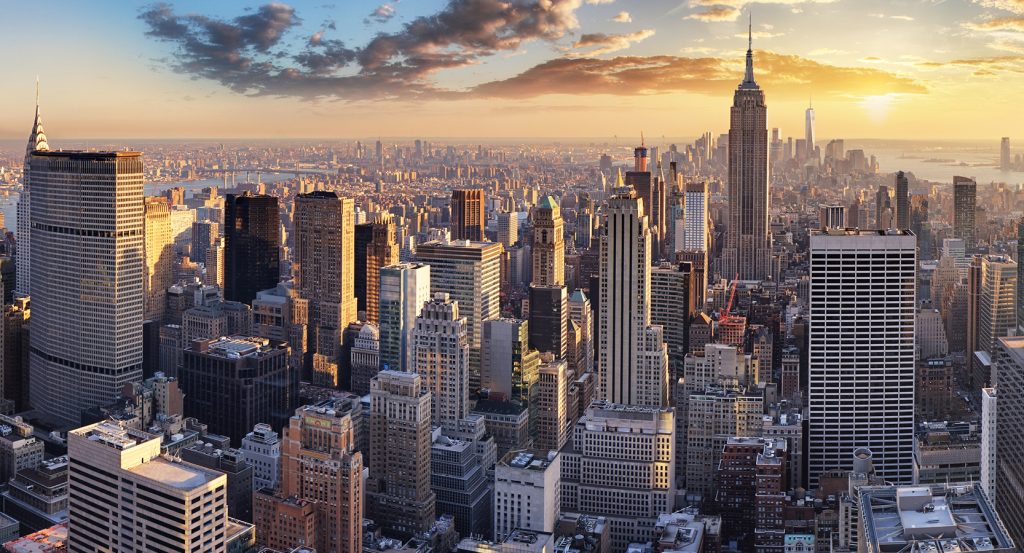
Why Vanderbilt Avenue matters.
Vanderbilt Avenue is a distinguished Midtown corridor where railroad legacy, architectural ambition, and commercial influence converge along one of the city's most consequential streets.
Running through Midtown East between Murray Hill and Turtle Bay, this prominent avenue connects transportation landmarks, corporate headquarters, architectural icons, commercial districts, civic institutions, and public spaces that have shaped New York's development for more than a century. Towering skyscrapers, Beaux-Arts landmarks, modern office developments, pedestrian plazas, and celebrated streetscapes create an environment defined by scale and purpose. The corridor emerged as a defining component of Midtown's transformation during the late nineteenth and early twentieth centuries as railroad infrastructure reshaped the geography of Manhattan. Financiers, railroad executives, architects, planners, and business leaders helped establish a district that became synonymous with commerce, mobility, and urban growth. To the east, Turtle Bay extends naturally from Vanderbilt Avenue through a collection of historic institutions, landmark buildings, and civic destinations that reinforce the corridor's enduring significance. The result is a street defined by connectivity, ambition, and lasting economic influence.
What defines Vanderbilt Avenue.
Vanderbilt Avenue is best known for terminating at Grand Central Terminal, the Beaux-Arts masterpiece designated a National Historic Landmark and widely regarded as one of the greatest railway stations ever constructed.
Opened in 1913, Grand Central Terminal transformed transportation in New York by consolidating rail travel within an extraordinary architectural setting that combined engineering innovation with expansive civic design. Its soaring Main Concourse, celestial ceiling, and grand public spaces became enduring symbols of New York City itself. The terminal helped drive Midtown's rise as a commercial center, influencing development patterns that continue to shape the city today. Preservation efforts during the twentieth century secured its future as one of America's most celebrated landmarks. Few New York streets maintain such a direct connection to a structure that fundamentally altered the growth, movement, and character of an entire city.
How Vanderbilt Avenue fits.
Vanderbilt Avenue works as an exploration of New York's transportation heritage, architectural achievement, and commercial evolution.
Begin at Grand Central Terminal, where the corridor's defining relationship with mobility, engineering, and urban development immediately comes into focus. Continue toward Chrysler Building, whose Art Deco silhouette reveals the architectural ambition that accompanied Midtown's rise during the twentieth century. From there, make your way to SUMMIT One Vanderbilt, where contemporary design and panoramic city views provide broader perspective on the corridor's continuing evolution. Along the route, you'll encounter landmark skyscrapers, historic transportation infrastructure, public plazas, architectural masterpieces, commercial centers, civic spaces, and celebrated streetscapes that showcase the remarkable depth of Midtown. The progression moves naturally from Grand Central Terminal to Chrysler Building to SUMMIT One Vanderbilt, revealing how transportation, architecture, and commerce combined to shape one of New York's most influential corridors. Vanderbilt Avenue remains one of Manhattan's most rewarding streets, preserving a distinctive balance between historic legacy, architectural distinction, and modern urban vitality.
Where your story begins.
Foresyte Travel reveals places that feel extraordinary long before you arrive.
Enjoy editorial crafted for luxury travelers.
Foresyte may earn a commission when you book.







































































































