
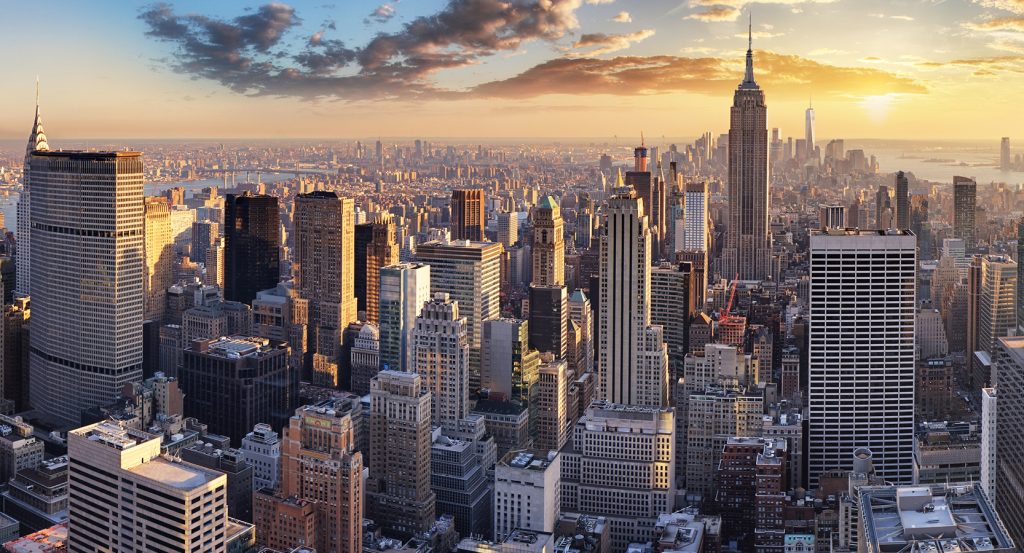
Why Water Street matters.
Water Street is a historic Lower Manhattan corridor where maritime commerce, colonial foundations, and global financial influence converge along one of the city's oldest waterfront streets.
Running through the Financial District between the The Seaport and Battery Park, this storied thoroughfare connects historic waterfront districts, landmark office towers, civic institutions, public plazas, transportation corridors, and commercial centers that have shaped New York's development for centuries. Modern skyscrapers, preserved historic structures, elevated plazas, and remnants of the city's original shoreline create a streetscape defined by constant reinvention. The corridor emerged during the Dutch colonial era as part of New Amsterdam's waterfront edge, serving as a critical link between maritime trade and the growing settlement. Merchants, sailors, financiers, immigrants, and civic leaders helped establish a district that evolved into one of the world's most influential centers of commerce. To the west, the Financial District extends naturally from Water Street through a collection of historic streets, landmark institutions, and architectural icons that reinforce the corridor's enduring significance. The result is a street defined by economic power, maritime legacy, and historical continuity.
What defines Water Street.
Water Street is best known for tracing the approximate shoreline of seventeenth-century New Amsterdam, making it among the few modern Manhattan streets that directly follows the edge of the city's original colonial waterfront.
During the Dutch colonial period, the East River extended much farther inland than it does today, with Water Street positioned immediately adjacent to active docks and trading facilities. As Manhattan expanded through centuries of landfill projects, the shoreline gradually moved eastward, transforming what was once a waterfront street into an inland commercial corridor. This unique relationship to New York's original geography provides a rare physical connection to the city's earliest period of development. Historians and preservationists frequently reference the street when examining the transformation of Lower Manhattan from colonial port settlement to global financial center. Few New York streets preserve such a direct relationship to the physical landscape that defined the city's origins.
How Water Street fits.
Water Street works as an exploration of New York's maritime heritage, colonial history, and waterfront evolution.
Begin at The Seaport, where the corridor's defining relationship with shipping, trade, and waterfront commerce immediately comes into focus. Continue toward Federal Hall National Memorial, whose historic significance reveals how the surrounding district evolved from colonial outpost to the political and financial heart of the young United States. From there, make your way to Battery Park, where sweeping harbor views provide broader perspective on the waterways that made New York one of the world's great port cities. Along the route, you'll encounter historic landmarks, waterfront infrastructure, public plazas, architectural icons, financial institutions, cultural destinations, and celebrated streetscapes that showcase the remarkable depth of Lower Manhattan's history. The progression moves naturally from The Seaport to Federal Hall National Memorial to Battery Park, revealing how maritime commerce, national history, and urban expansion combined to shape one of Manhattan's most consequential corridors. Water Street remains one of New York's most rewarding streets, preserving a distinctive balance between colonial legacy, waterfront identity, and modern economic influence.
Where your story begins.
Foresyte Travel reveals places that feel extraordinary long before you arrive.
Enjoy editorial crafted for luxury travelers.
Foresyte may earn a commission when you book.







































































































