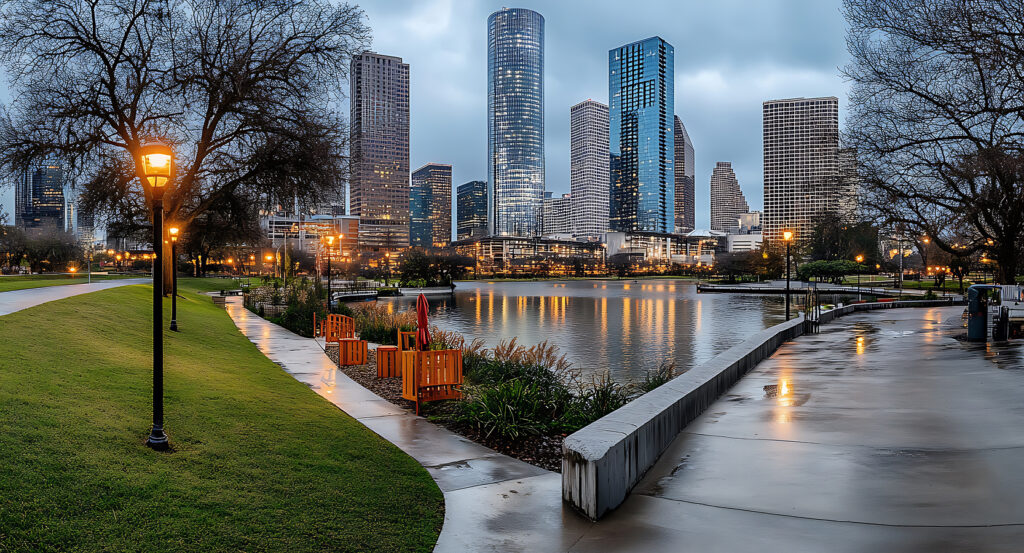
Why you should experience 20th Street in Houston, Texas.
20th Street is a spirited corridor where Houston Heights' entrepreneurial spirit, architectural heritage, neighborhood traditions, and independent character continue defining one of the city's most recognizable main streets.
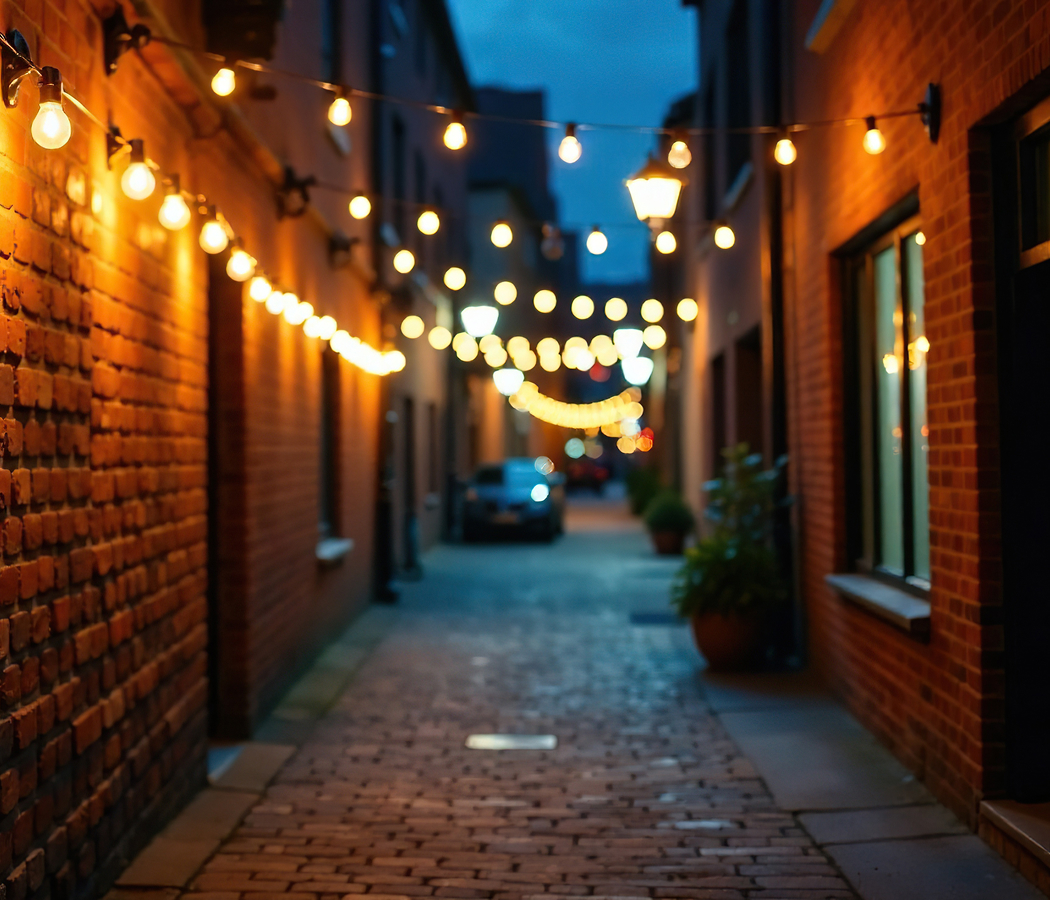
Running through Houston Heights between Shady Acres and Greater Heights, the corridor links preserved historic buildings, locally owned boutiques, neighborhood restaurants, galleries, churches, and mature residential blocks that collectively express more than a century of commercial and community life. Broad sidewalks, restored storefronts, brick façades, and mature live oaks create a walkable streetscape where early twentieth-century architecture comfortably coexists with contemporary neighborhood businesses. Throughout the corridor, independent retailers, longtime institutions, and thoughtfully adapted historic buildings reinforce a setting whose character has evolved without losing the distinctive character established during Houston Heights' formative years. The result is an experience defined by energy, authenticity, and one of Houston's most celebrated neighborhood corridors.
What you should know about 20th Street.
20th Street is best known for serving as the traditional commercial spine of Houston Heights, the planned suburb established in 1891 by the Omaha and South Texas Land Company under developer Oscar Martin Carter as one of Texas's earliest comprehensively planned residential communities. Commercial development accelerated during the early twentieth century as the Houston Electric Company's streetcar system connected Houston Heights with downtown, encouraging construction of brick storefronts, neighborhood banks, pharmacies, grocers, theaters, and professional offices along the corridor. Buildings surrounding 20th Street preserve notable examples of early commercial architecture, including one- and two-story masonry structures featuring decorative brickwork, recessed storefronts, pressed-metal cornices, and large display windows reflecting evolving retail design between the 1900s and the 1930s. Before annexation by the City of Houston in 1918, the corridor formed part of the independent municipality's principal business district, supporting civic life alongside churches, fraternal organizations, and locally owned enterprises. Continued reinvestment has preserved many historic commercial buildings through adaptive reuse while allowing independent retailers, restaurants, galleries, and specialty shops to occupy structures originally constructed more than a century ago.
The Heights Theater, originally completed in 1920 as a neighborhood cinema and extensively restored before reopening as a live music venue in 2019, demonstrates how historic entertainment architecture continues shaping the character of 20th Street. Nearby M-K-T occupies the former Missouri, Kansas and Texas Railroad corridor, where adaptive reuse transformed historic industrial infrastructure into a destination that preserves the area's transportation heritage while expanding pedestrian connectivity. Public art installations, restored painted ghost signs, and surviving early commercial façades collectively reveal successive chapters in the corridor's retail evolution. Together, these cultural venues, transportation landmarks, and preserved commercial buildings demonstrate how 20th Street continues expressing the historic commercial character that has distinguished Houston Heights for well over a century.
How to fold 20th Street into your trip.
20th Street works as a walk through Houston Heights' historic commercial heart, where architecture, neighborhood culture, and independent businesses unfold block by block.
Begin at Heights Mercantile, where thoughtfully designed public spaces, locally owned boutiques, and contemporary dining provide an inviting introduction before following 20th Street toward the neighborhood's historic core. Continue to Marmion Park, whose mature trees, historic setting, and quiet green space provide a natural pause while highlighting the residential fabric surrounding the corridor. Conclude at Donovan Park, where imaginative public art, shaded gathering spaces, and distinctive playground design provide a memorable finale celebrating the community spirit that continues defining Houston Heights. The progression moves naturally from contemporary neighborhood life through historic residential surroundings before concluding in a public space that reflects the enduring sense of place woven throughout 20th Street.
Where your story begins.
Foresyte Travel reveals places that feel extraordinary long before you arrive.
Experience premium editorial crafted for luxury travelers.