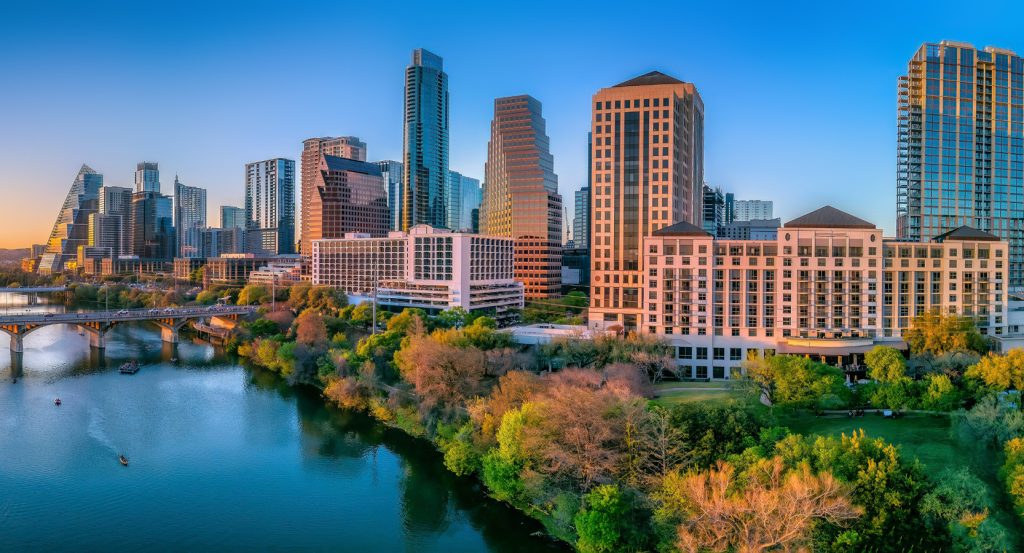
Why you should experience 24th Street in Austin, Texas.
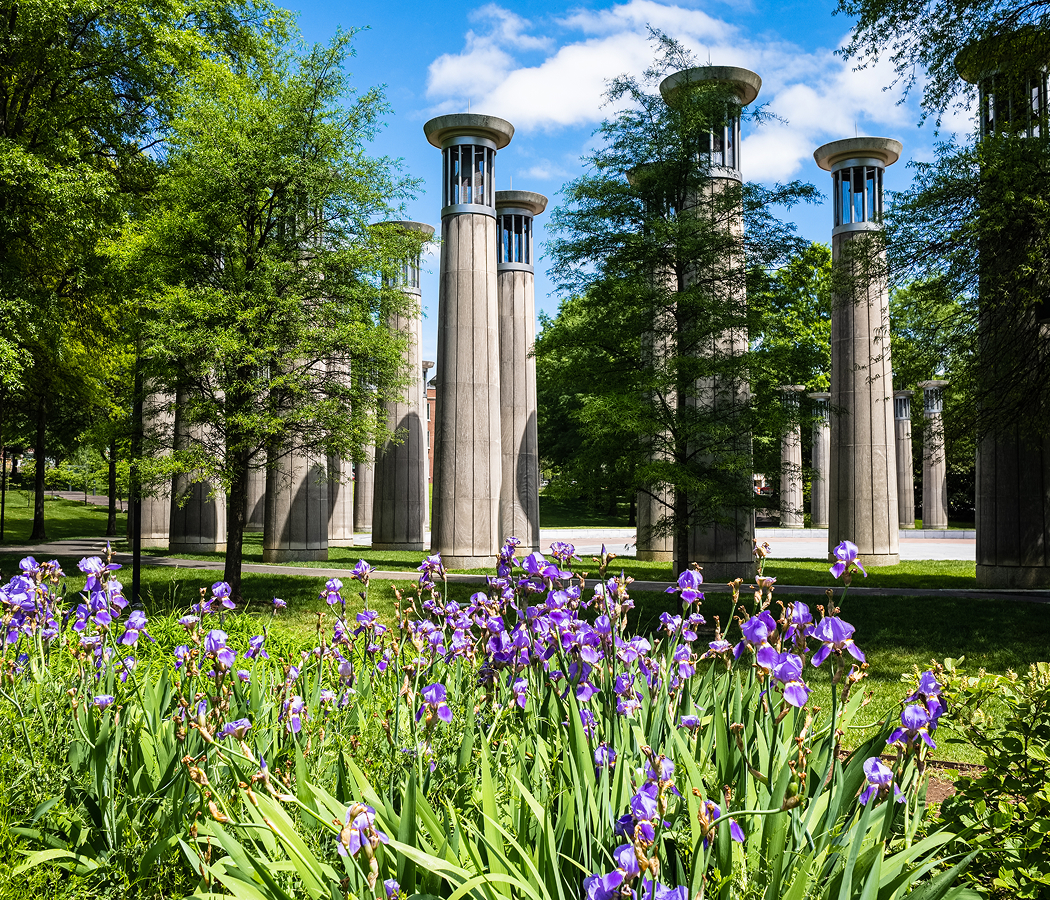
24th Street is an energetic corridor where West Campus' academic traditions, architectural character, cultural institutions, and enduring university character converge across one of Central Austin's defining east-west streets.
Running through West Campus between Downtown and North University, the corridor links university landmarks, established residential blocks, cultural destinations, and mature tree-lined streets that collectively reflect Austin's evolution as one of the nation's leading college cities. Historic academic buildings, Collegiate Gothic architecture, shaded sidewalks, and energetic public spaces create a streetscape where higher education and neighborhood life have remained closely intertwined for generations. Continuous investment has strengthened the district while preserving the institutional structure established during the university's formative decades. The result is an experience defined by academic heritage, architectural richness, and one of Central Austin's most recognizable corridors.
What you should know about 24th Street.
24th Street is best known for providing one of the principal approaches to the University of Texas at Austin, founded in 1883, whose continued expansion transformed the surrounding area into one of the nation's most prominent university districts. The corridor developed alongside the university's rapid growth during the 1910s, 1920s, and 1930s, when residential construction, fraternity and sorority houses, boarding residences, and academic facilities reshaped West Campus into an institutionally focused neighborhood. The surrounding district preserves an exceptional concentration of Collegiate Gothic, Beaux-Arts, Classical Revival, and Mid-Century Modern architecture representing successive phases of campus and neighborhood development. The corridor also reflects the lasting influence of the 1839 Edwin Waller Plan, whose original street structure accommodated Austin's expansion beyond its Republic-era boundaries while maintaining an organized urban grid. Collectively, the corridor's Republic-era planning, academic legacy, architectural diversity, residential evolution, and institutional continuity establish 24th Street as one of Central Austin's defining historic corridors.
The Waller Creek watershed shaped portions of nearby campus development through limestone topography, native riparian vegetation, and historic drainage corridors that influenced early landscape planning across Central Austin. The West Campus Neighborhood Association and the University Neighborhood Overlay Advisory Committee continue supporting neighborhood planning, preservation initiatives, and long-term stewardship that reinforce the district's architectural character. Archaeological investigations throughout Central Austin have documented Indigenous cultural materials together with nineteenth-century settlement evidence that continues expanding scholarly understanding of human occupation across the Upper Colorado River basin. Together, these environmental systems, civic organizations, and archaeological discoveries demonstrate how 24th Street reflects a corridor where environmental history, neighborhood stewardship, and cultural continuity remain closely interconnected.
How to fold 24th Street into your trip.
24th Street works as an exploration of Austin's academic heritage, literary scholarship, and artistic achievement.
Begin at Harry Ransom Center, where globally significant literary archives, photography collections, and rare manuscripts introduce the extraordinary depth of humanities scholarship cultivated at the University of Texas. Continue to Blanton Museum of Art, where internationally recognized collections, contemporary exhibitions, and award-winning architecture expand the experience through one of the country's leading university art museums. Conclude at The University of Texas Tower, where the campus's defining architectural symbol provides the historical payoff through its enduring association with academic excellence, institutional growth, and Austin's emergence as a major university city. The progression moves naturally from literary scholarship to visual arts before culminating in the university's most recognizable architectural landmark.
Where your story begins.
Foresyte Travel reveals places that feel extraordinary long before you arrive.
Experience premium editorial crafted for luxury travelers.