Why 35th Street matters.
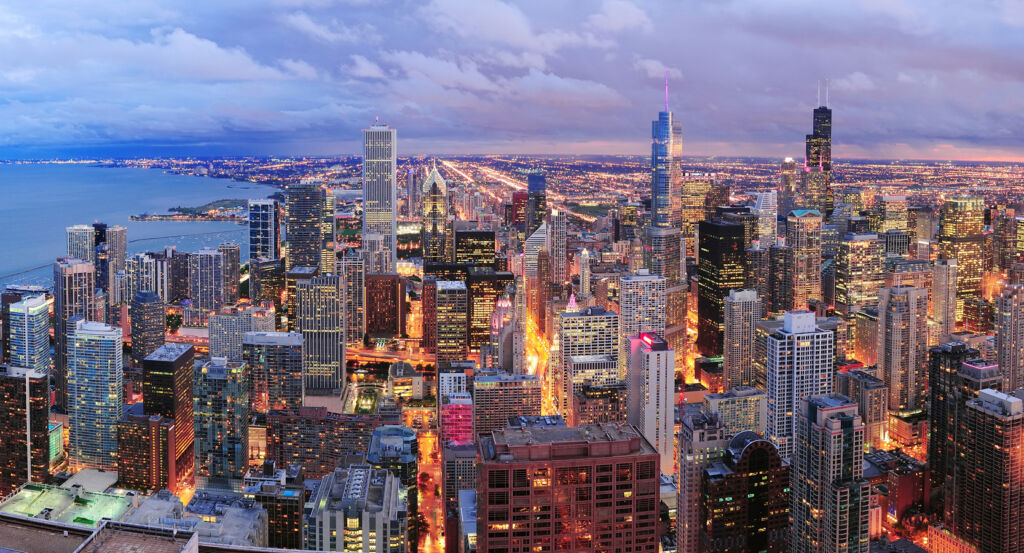
35th Street is an animated corridor where Bronzeville's cultural legacy, civic pride, architectural heritage, and Chicago's South Side history converge along one of the city's most recognizable east-west thoroughfares.
Running through Bronzeville between Bridgeport and Washington Park, 35th Street connects historic residential blocks, celebrated sports venues, enduring institutions, neighborhood businesses, and richly layered streetscapes that together reflect generations of civic ambition and cultural achievement. Block after block reveals another expression of the corridor's character as stately greystones, distinguished commercial buildings, mature boulevard plantings, historic churches, and carefully preserved masonry create an environment shaped by entrepreneurship, craftsmanship, and neighborhood resilience. The corridor reaches its defining character where athletic tradition, architectural continuity, and Bronzeville's cultural influence create one of Chicago's most memorable urban experiences. The result is a corridor defined by civic energy, architectural distinction, and a legacy that extends far beyond the South Side.
What you should know 35th Street.
35th Street is best known for anchoring one of Chicago's most historically significant transportation and civic corridors, where the Illinois Central Railroad, the South Side Elevated Railroad, and successive improvements to the city's boulevard network established lasting regional connections during the late nineteenth and early twentieth centuries. Opening of Comiskey Park in 1910, designed by Zachary Taylor Davis for the Chicago White Sox, transformed the western portion of the corridor into one of professional baseball's enduring destinations, while construction of the current Guaranteed Rate Field in 1991 continued that legacy. The corridor also benefited from Bronzeville's extraordinary growth during the Great Migration, when expanding residential districts, commercial enterprises, churches, and civic organizations established nearby neighborhoods among the nation's foremost centers of African American cultural and professional life. Investment by the Chicago Department of Transportation, the Chicago Department of Planning and Development, and neighborhood revitalization initiatives has strengthened pedestrian infrastructure, transit accessibility, and streetscape improvements while preserving the avenue's historic importance. Together, transportation infrastructure, professional baseball, neighborhood expansion, civic investment, and architectural continuity established 35th Street as one of Chicago's defining South Side corridors.
Construction of the 35th-Bronzeville-IIT station on the CTA Green Line in 2011 restored rapid transit service to a section of the corridor that had lacked a station for decades, improving access for residents, students, and visitors alike. The nearby Illinois Institute of Technology, whose modern campus plan was shaped by architect Ludwig Mies van der Rohe, introduced internationally influential modernist architecture that fundamentally reshaped the corridor's eastern character after the 1940s. Collaboration among the Bronzeville Community Development Partnership, the City of Chicago, educational institutions, and neighborhood organizations continues supporting commercial revitalization, historic preservation, accessibility improvements, and public realm investment throughout the avenue. Together, educational leadership, transit expansion, modernist design, and sustained neighborhood stewardship explain why 35th Street remains one of Chicago's most significant urban corridors.
How 35th Street fits.
35th Street works as an exploration of Bronzeville's civic legacy, architectural evolution, and enduring cultural influence.
Begin at IIT Main Campus, where Ludwig Mies van der Rohe's internationally celebrated modernist master plan introduces one of the twentieth century's defining architectural achievements before naturally leading west along the corridor. Continue to Guaranteed Rate Field, where more than a century of Chicago White Sox history reveals the avenue's enduring place in the city's sporting character before carrying the experience toward its conclusion. Conclude at Stephen A. Douglas Tomb and Memorial, where one of Chicago's most prominent nineteenth-century monuments provides a reflective finale that connects the corridor's civic history with the broader evolution of the South Side. The progression moves naturally from architectural innovation to sporting tradition before concluding with one of Chicago's enduring historical landmarks.
Where your story begins.
Foresyte Travel reveals places that feel extraordinary long before you arrive.
Enjoy editorial crafted for luxury travelers.
Foresyte may earn a commission when you book.