Why you should experience 52nd Street in Chicago, Illinois.
52nd Street is a refined corridor where Hyde Park's academic tradition, architectural heritage, neighborhood commerce, and Chicago's South Side history converge along one of the community's defining east-west streets.
Running through Hyde Park between Washington Park and Lake Michigan, 52nd Street connects distinguished residential blocks, university buildings, neighborhood businesses, cultural institutions, and welcoming public spaces that together reflect more than a century of thoughtful urban development. Block after block reveals another expression of the corridor's character as Collegiate Gothic architecture, elegant apartment houses, mature tree-lined sidewalks, historic masonry, and carefully maintained streetscapes create an atmosphere shaped by scholarship, craftsmanship, and civic pride. The corridor reaches its defining character where educational excellence, neighborhood vitality, and architectural continuity create one of Chicago's most engaging urban environments. The result is a corridor defined by intellectual character, architectural distinction, and Hyde Park's enduring reputation as one of the city's foremost academic communities.
What you should know about 52nd Street.
52nd Street is best known for developing alongside the rapid expansion of Hyde Park after the founding of the University of Chicago in 1890, when philanthropist John D. Rockefeller and founding president William Rainey Harper established a research institution that reshaped Chicago's South Side. The corridor experienced accelerated growth following the World's Columbian Exposition of 1893 in neighboring Jackson Park, whose extensive public works stimulated residential construction, commercial investment, and institutional expansion throughout Hyde Park. Service along the Illinois Central Railroad commuter line, operation of the nearby 51st/53rd Street (Hyde Park) station on today's Metra Electric District, and continued access to the surrounding transit network strengthened the corridor's long-term connection with Downtown while encouraging sustained neighborhood growth. Preservation initiatives led by the Chicago Department of Planning and Development, continued streetscape improvements by the Chicago Department of Transportation, and investment by the University of Chicago have reinforced the avenue's historic character while supporting contemporary neighborhood activity. Together, university leadership, exposition-era planning, transportation investment, historic preservation, and coordinated redevelopment established 52nd Street as an enduring Hyde Park corridor.
Designation of the Hyde Park-Kenwood Historic District recognized one of Chicago's finest collections of late nineteenth- and early twentieth-century residential architecture, preserving limestone façades, decorative brickwork, carved ornamentation, and carefully planned streetscapes surrounding the corridor. Nearby cultural institutions including the DuSable Black History Museum and Education Center and the Oriental Institute Museum strengthened Hyde Park's reputation as a center for historical scholarship and global cultural study. Collaboration among the Hyde Park-Kenwood Community Conference, the University of Chicago, neighborhood preservation organizations, and municipal agencies continues supporting façade rehabilitation, accessibility improvements, pedestrian enhancements, and economic development throughout the surrounding community. Together, architectural preservation, cultural leadership, institutional stewardship, and thoughtful planning explain why 52nd Street remains one of Hyde Park's most distinguished neighborhood corridors.
How to fold 52nd Street into your trip.
52nd Street works as an exploration of Hyde Park's architectural heritage, scholarly tradition, and neighborhood character.
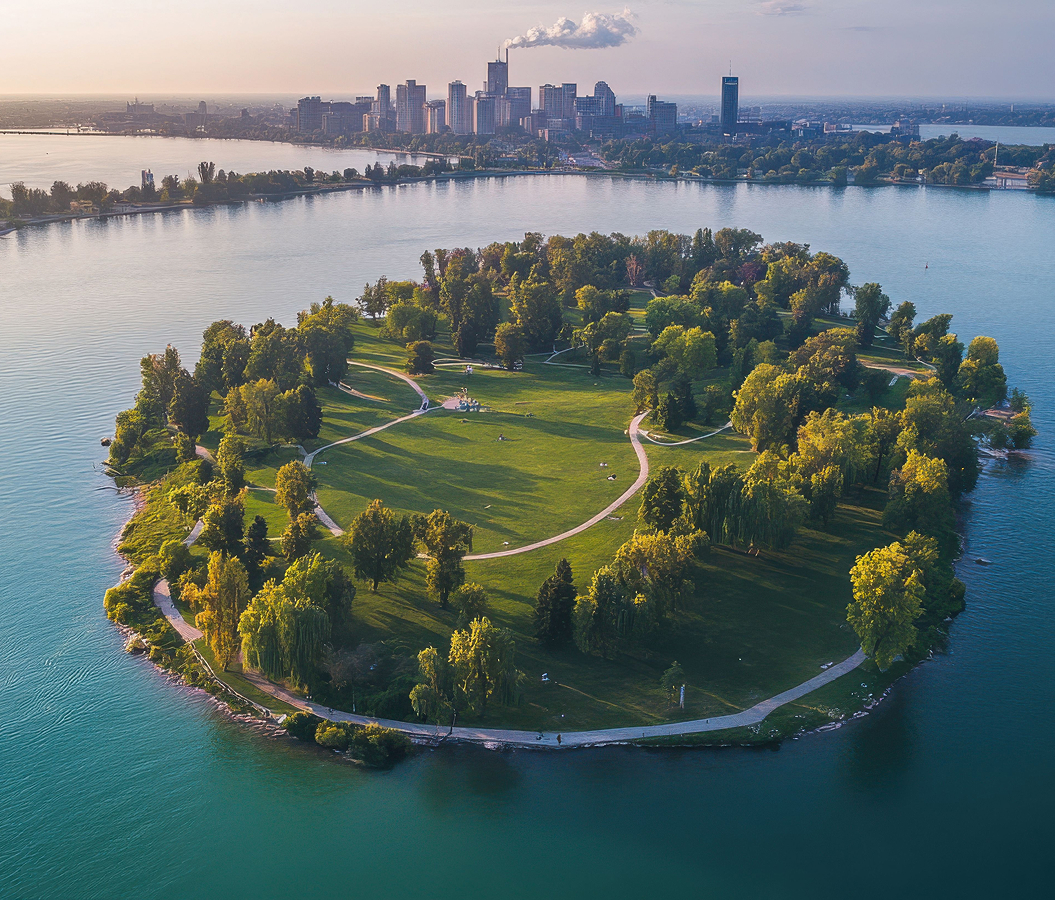
Begin at Hyde Park Art Center, where contemporary exhibitions and artist studios introduce the neighborhood's enduring creative spirit before naturally leading toward the historic residential streets. Continue to Robie House, where Frank Lloyd Wright's Prairie School masterpiece reveals one of the defining achievements of American residential architecture before carrying the experience toward its conclusion. Conclude at Promontory Point, where Alfred Caldwell's celebrated landscape and sweeping views across Lake Michigan provide a memorable finale that reflects Hyde Park's unique balance of architectural achievement, cultural life, and remarkable public spaces. The progression moves naturally from contemporary artistic expression to architectural innovation before concluding along Chicago's celebrated lakefront.
Where your story begins.
Foresyte Travel reveals places that feel extraordinary long before you arrive.
Experience premium editorial crafted for luxury travelers.