Why 5th Avenue matters.
5th Avenue is a storied corridor where Downtown's civic heritage, architectural legacy, commercial vitality, and urban renewal create one of Central Phoenix's most compelling streets.
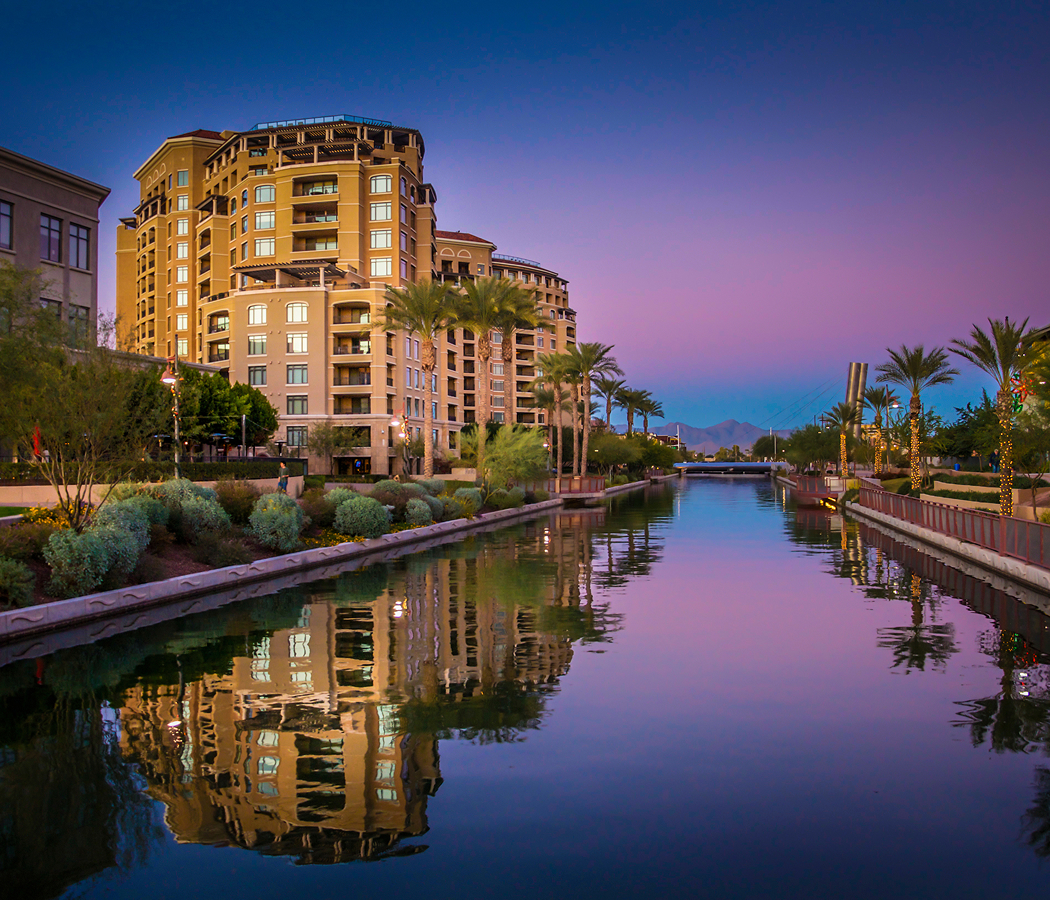
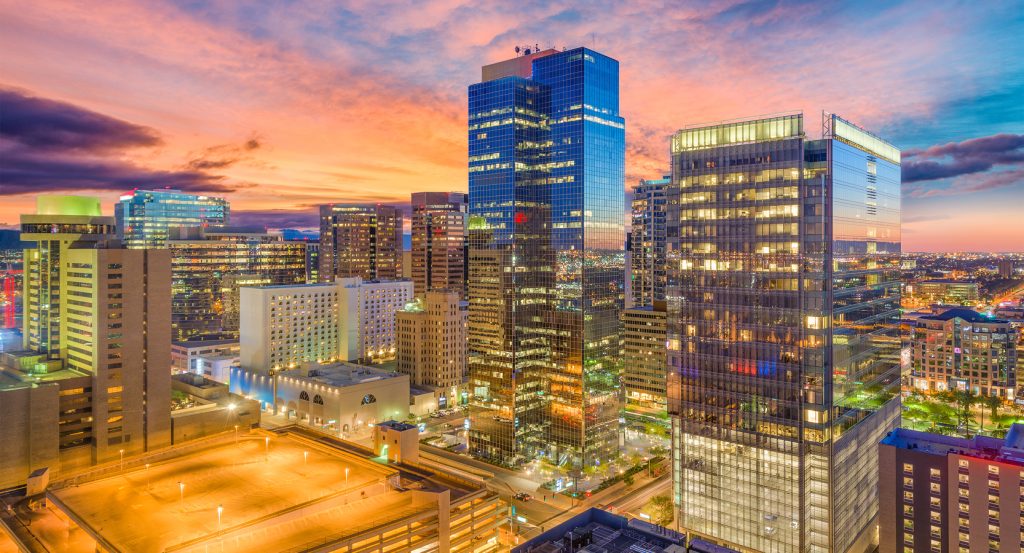
Running through Downtown between Encanto and the Warehouse District, the corridor connects historic neighborhoods, government institutions, restored commercial blocks, and evolving cultural destinations that reflect more than a century of continuous metropolitan growth. Each successive stretch reveals early masonry storefronts, mature shade trees, landscaped sidewalks, preserved civic architecture, and contemporary redevelopment that reinforce the avenue's unmistakable identity. The defining moment arrives as 5th Avenue demonstrates how architectural preservation, economic reinvestment, and civic ambition continue shaping one of Phoenix's defining urban environments. The result is an experience defined by architectural depth, metropolitan character, and one of Downtown's most rewarding corridors.
What you should know 5th Avenue.
5th Avenue is best known for developing alongside Phoenix's original street grid as the city expanded west of its historic commercial core during the late nineteenth and early twentieth centuries. Commercial and institutional growth introduced Commercial Style, Mission Revival, Art Deco, Moderne, and Mid-Century Modern buildings featuring reinforced concrete, structural steel, red brick masonry, decorative terra-cotta, steel industrial sash windows, ornamental parapets, and recessed storefronts that continue defining the avenue's architectural identity. The corridor evolved beside warehouses, wholesale businesses, civic facilities, and professional offices that supported Downtown's emergence as Arizona's principal commercial center throughout the twentieth century. Landscaped medians, mature ficus and ash trees, coordinated pedestrian improvements, decorative lighting, and preserved block patterns reinforce the avenue's historic streetscape while maintaining its relationship with the surrounding downtown core. Continued reinvestment has restored historic commercial properties, introduced residential conversions, strengthened neighborhood businesses, and preserved the avenue's established architectural rhythm. Collectively, the corridor's commercial origins, architectural diversity, civic prominence, and sustained revitalization established 5th Avenue as one of Downtown's defining historic corridors.
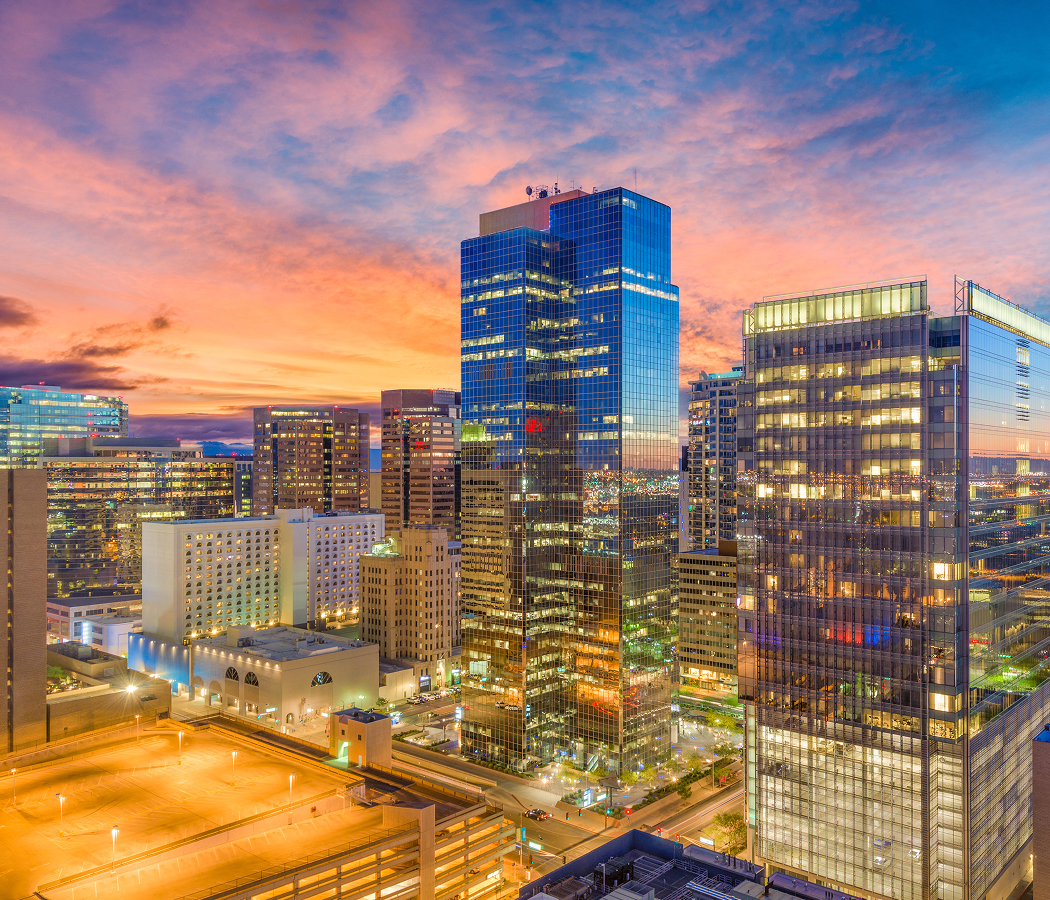
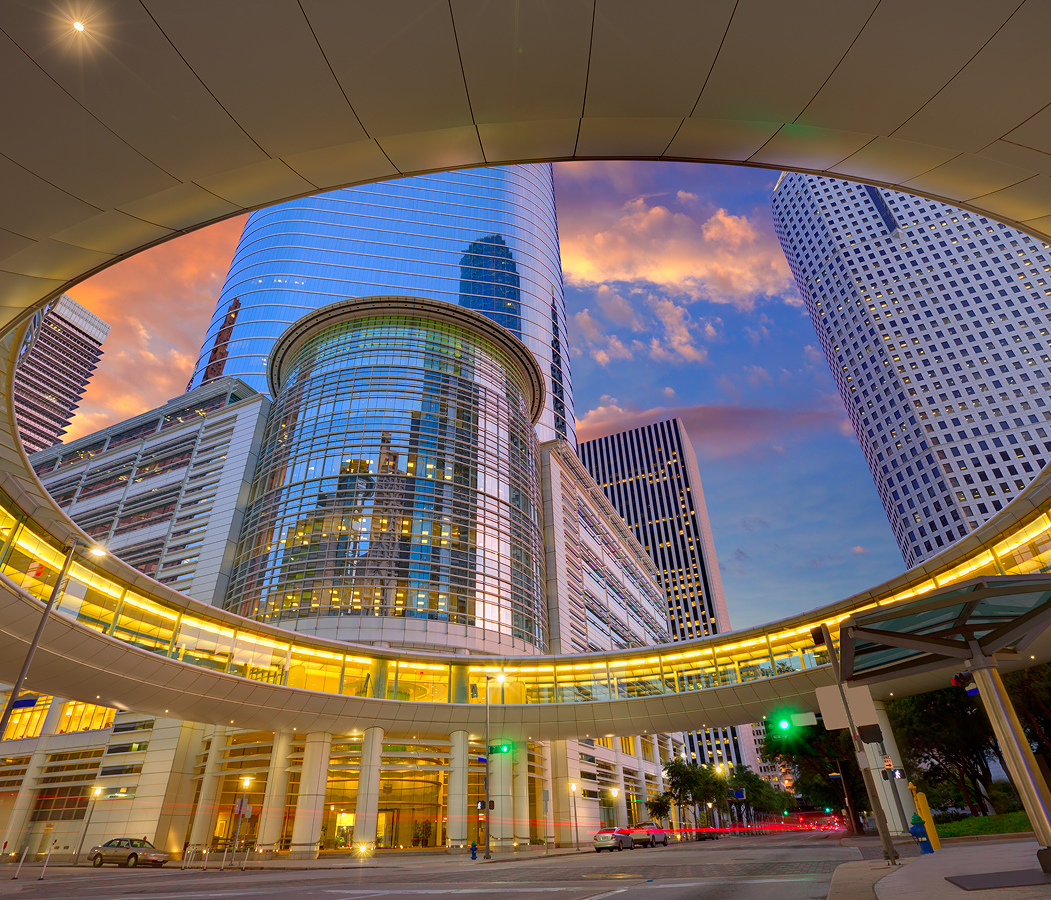
Bordering the corridor, Phoenix City Hall, completed in 1994, introduced a prominent civic landmark whose postmodern design and recognizable silhouette reinforced the avenue's role within the governmental heart of Downtown. Nearby, Security Building, completed in 1928, remains one of the city's finest Art Deco office towers through its limestone detailing, geometric ornamentation, and carefully preserved historic façade that reflects Phoenix's commercial prosperity during the interwar period. The surrounding blocks also preserve a notable concentration of early banks, office buildings, and commercial storefronts whose original stone, brick, and terra-cotta façades continue illustrating the craftsmanship that accompanied Downtown's emergence as Arizona's financial center. Together, these civic buildings, distinguished commercial landmarks, and preserved architectural ensembles demonstrate how 5th Avenue developed within a downtown whose historical significance extends well beyond its transportation role.
How 5th Avenue fits.
5th Avenue works as an exploration of Downtown's civic heritage and architectural evolution.
Begin at Arizona State Capitol Museum, where restored legislative chambers and territorial collections establish the governmental story surrounding 5th Avenue while naturally introducing Arizona's political history. Continue to The Icehouse, where preserved industrial architecture reveals the commercial infrastructure that supported Downtown's early growth before guiding the experience toward its historical conclusion. Conclude at Heritage Square, where preserved Victorian residences provide the historical payoff by illustrating the domestic landscape that accompanied Phoenix's transformation into a modern capital city. The progression moves naturally from governmental history to commercial development before culminating in one of Phoenix's most significant historic settings.
Where your story begins.
Foresyte Travel reveals places that feel extraordinary long before you arrive.
Enjoy editorial crafted for luxury travelers.
Foresyte may earn a commission when you book.