Why 5th Street matters.
5th Street is an energetic corridor where Downtown's commercial heritage, cultural vitality, architectural diversity, and enduring capital-city character come together across one of the city's defining east-west streets.
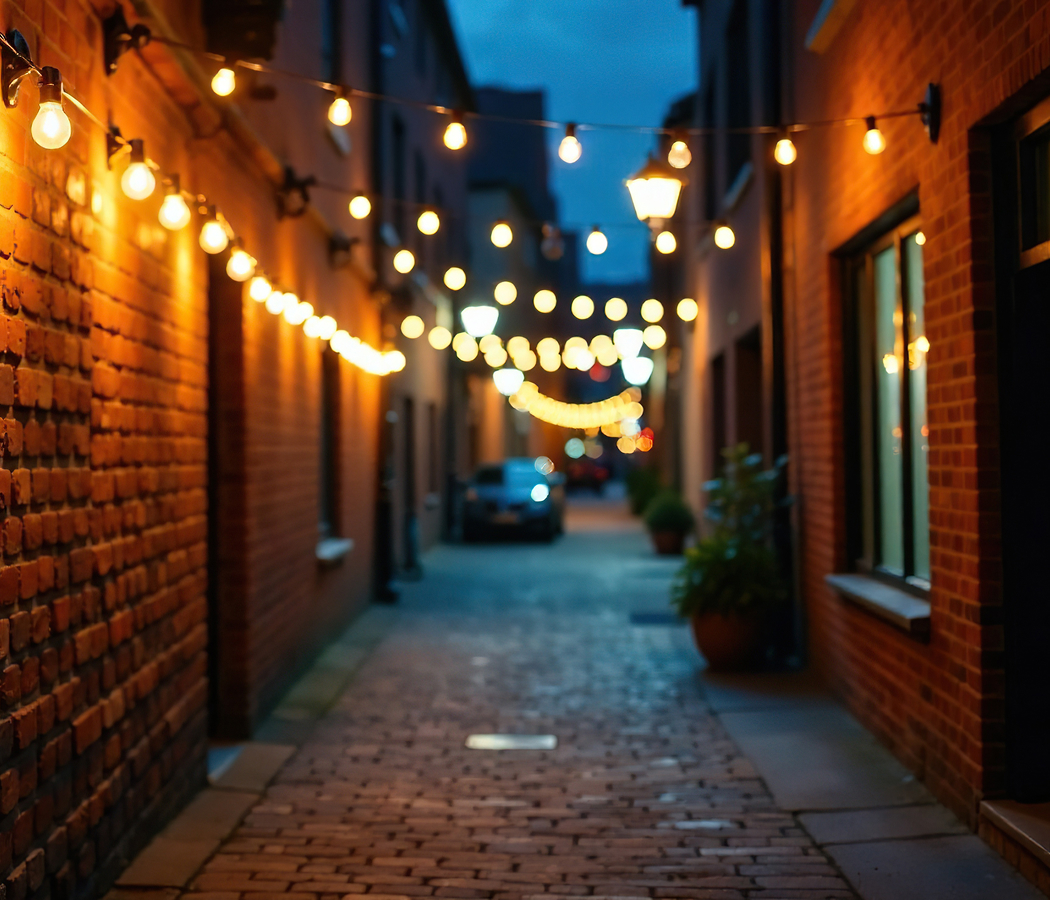
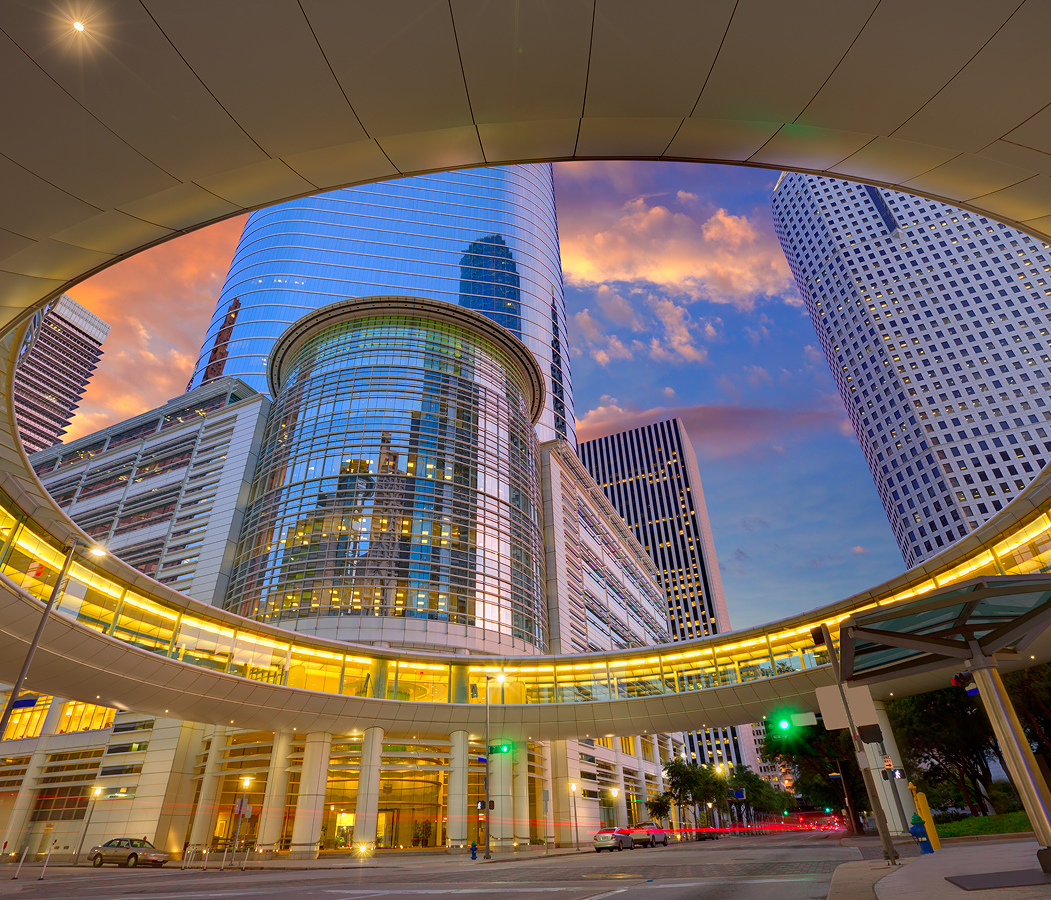
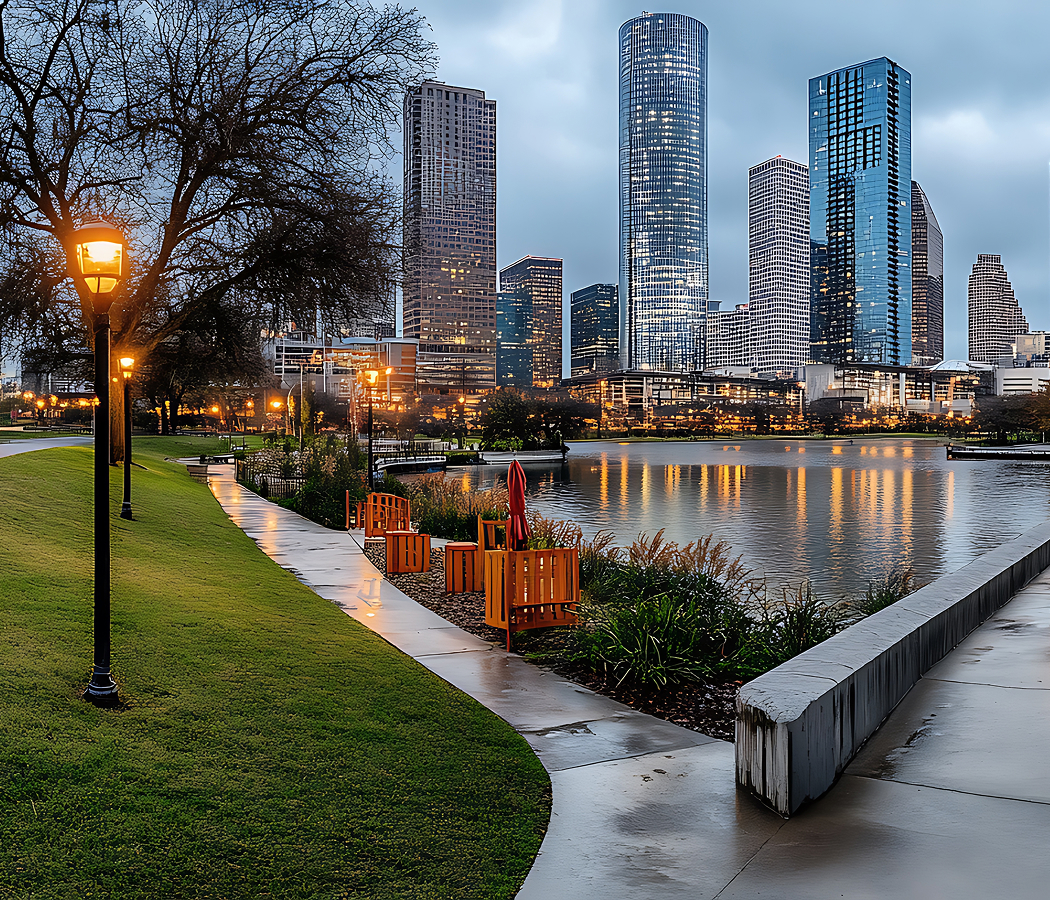
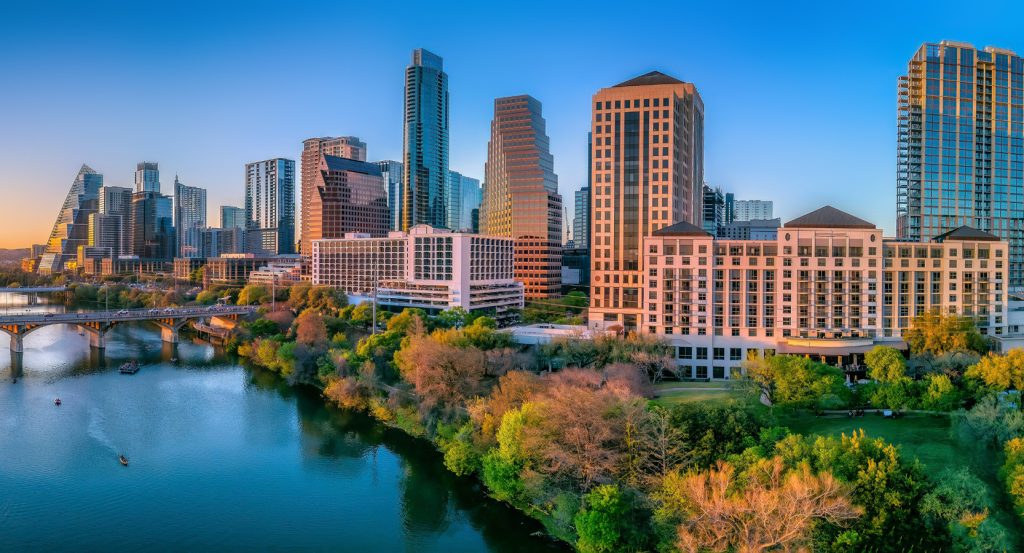
Running through Downtown between West Downtown and East Cesar Chavez, the corridor connects historic commercial blocks, public gathering spaces, performing arts venues, and modern business districts that collectively reflect Austin's evolution across nearly two centuries. Restored brick buildings, early twentieth-century storefronts, contemporary office towers, and broad pedestrian corridors create an urban landscape where successive eras of development remain visible within a compact city center. Continuous investment and thoughtful preservation have reinforced the corridor's historic character while supporting Downtown's continued growth. The result is an experience defined by architectural richness, cultural depth, and one of Downtown's most influential corridors.
What you should know 5th Street.
5th Street is best known for following one of the principal east-west alignments established by the 1839 Edwin Waller Plan, commissioned under Republic of Texas President Mirabeau B. Lamar, creating part of the original street structure that continues organizing Downtown today. During the late nineteenth and early twentieth centuries the corridor developed into a prominent commercial address as banks, wholesalers, retail merchants, hotels, and office buildings expanded alongside Austin's emergence as the governmental and economic center of Texas. Surrounding blocks preserve an exceptional collection of Victorian, Chicago School, Classical Revival, Art Deco, Mid-Century Modern, and contemporary architecture, illustrating successive phases of downtown construction while numerous contributing properties remain listed on the National Register of Historic Places. The corridor also reflects Austin's longstanding role as a financial and governmental center through the concentration of commercial institutions, professional offices, and civic organizations that have occupied the district for more than a century. Collectively, the corridor's Republic-era planning, commercial expansion, architectural diversity, National Register resources, and institutional continuity establish 5th Street as one of Downtown's defining historic corridors.
The Colorado River floodplain immediately south of the corridor influenced Austin's earliest settlement patterns, commercial geography, and nineteenth-century expansion before modern flood-control measures reshaped the surrounding landscape. The Downtown Alliance, established in 1993, continues supporting preservation initiatives, streetscape enhancements, economic development, and public programming that reinforce the district's long-term vitality. Archaeological investigations throughout Downtown have documented Indigenous cultural materials alongside Republic of Texas and nineteenth-century commercial deposits that continue expanding scholarly understanding of human occupation within the Colorado River valley. Together, these environmental systems, civic organizations, and archaeological discoveries demonstrate how 5th Street reflects a corridor where urban planning, environmental history, and cultural preservation remain closely interconnected.
How 5th Street fits.
5th Street works as an exploration of Austin's commercial heritage, performing arts, and civic culture.
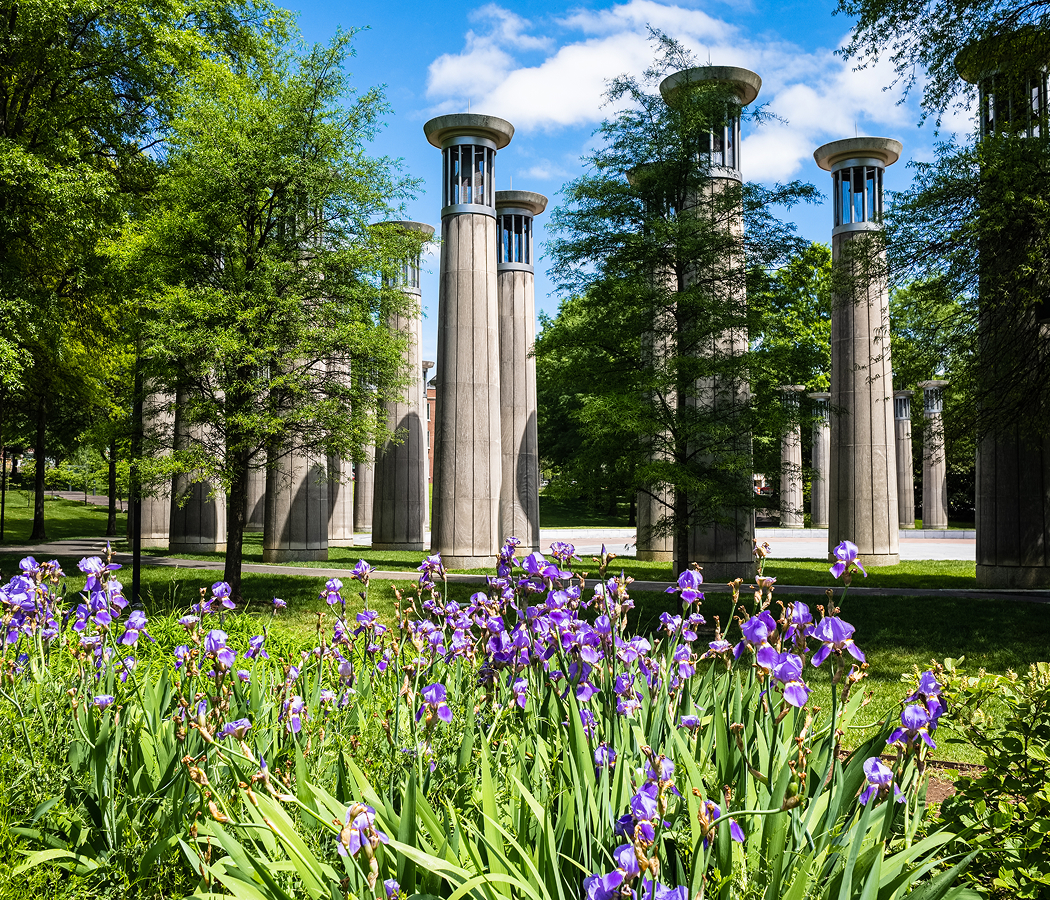
Begin at Republic Square, where one of Austin's original public squares introduces the city's nineteenth-century planning traditions through mature trees, historic gathering space, and enduring civic significance. Continue to Moody Theater, where the home of Austin City Limits reveals the city's internationally recognized music heritage through acclaimed performances and broadcasting history. Conclude at Mexic-Arte Museum, where permanent collections, rotating exhibitions, and decades of cultural programming provide the historical payoff by highlighting the artistic traditions and Mexican American heritage that have helped shape Austin's identity. The progression moves naturally from the city's original public planning to its celebrated music culture before culminating in an institution devoted to the region's artistic and cultural legacy.
Where your story begins.
Foresyte Travel reveals places that feel extraordinary long before you arrive.
Enjoy editorial crafted for luxury travelers.
Foresyte may earn a commission when you book.