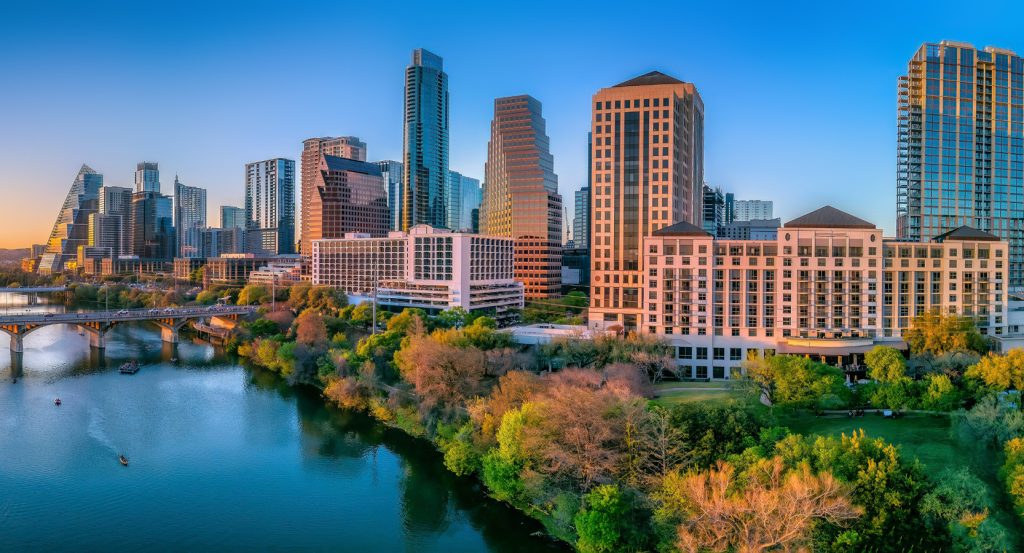
Why you should experience 9th Street in Austin, Texas.
9th Street is a spirited corridor where Downtown's civic heritage, cultural institutions, architectural legacy, and enduring urba character converge across one of the city's most historic east-west streets.
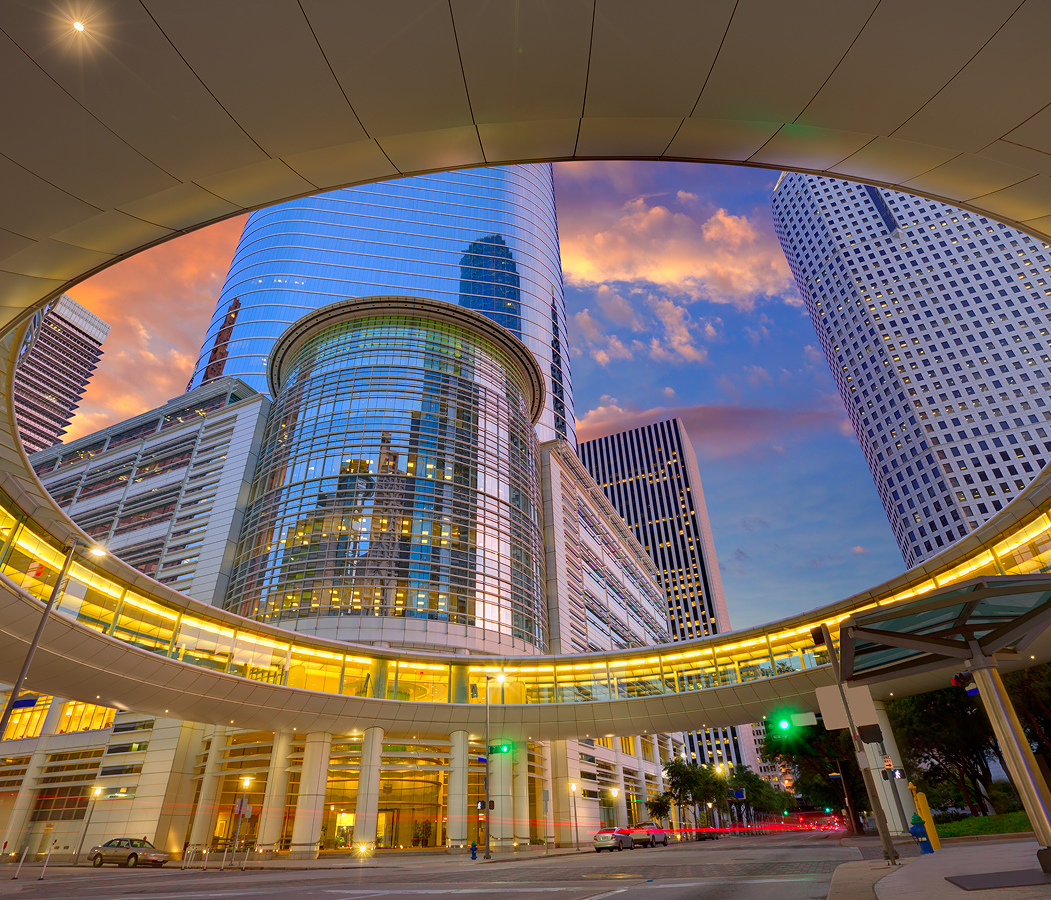
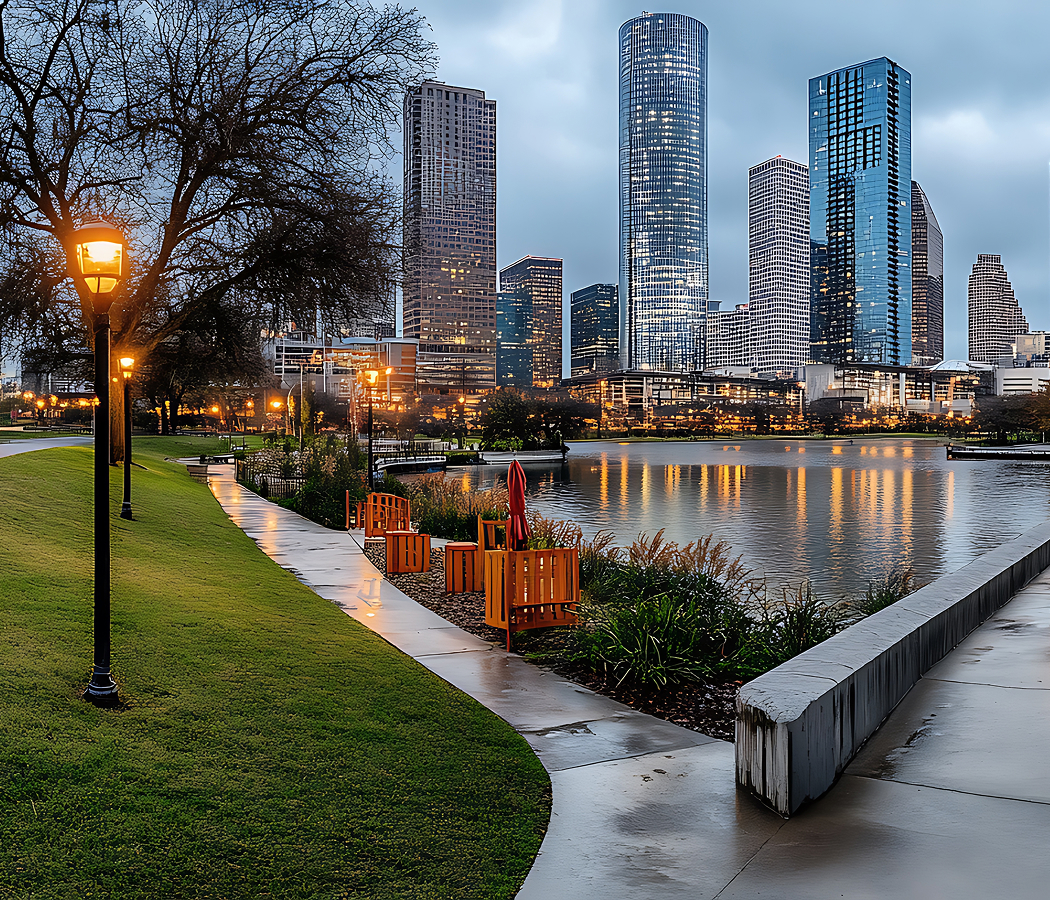
Running through Downtown between West Downtown and Central East Austin, the corridor links government buildings, museums, historic districts, performing arts venues, and commercial blocks that collectively demonstrate nearly two centuries of Austin's evolution as the capital of Texas. Monumental civic architecture, restored nineteenth-century buildings, shaded public plazas, and contemporary skyscrapers establish a streetscape where successive generations of development remain visible within a compact urban setting. Decades of preservation and investment have strengthened the corridor while maintaining its role as one of Austin's principal civic and cultural thoroughfares. The result is an experience defined by historical depth, architectural distinction, and one of Downtown's most influential corridors.
What you should know about 9th Street.
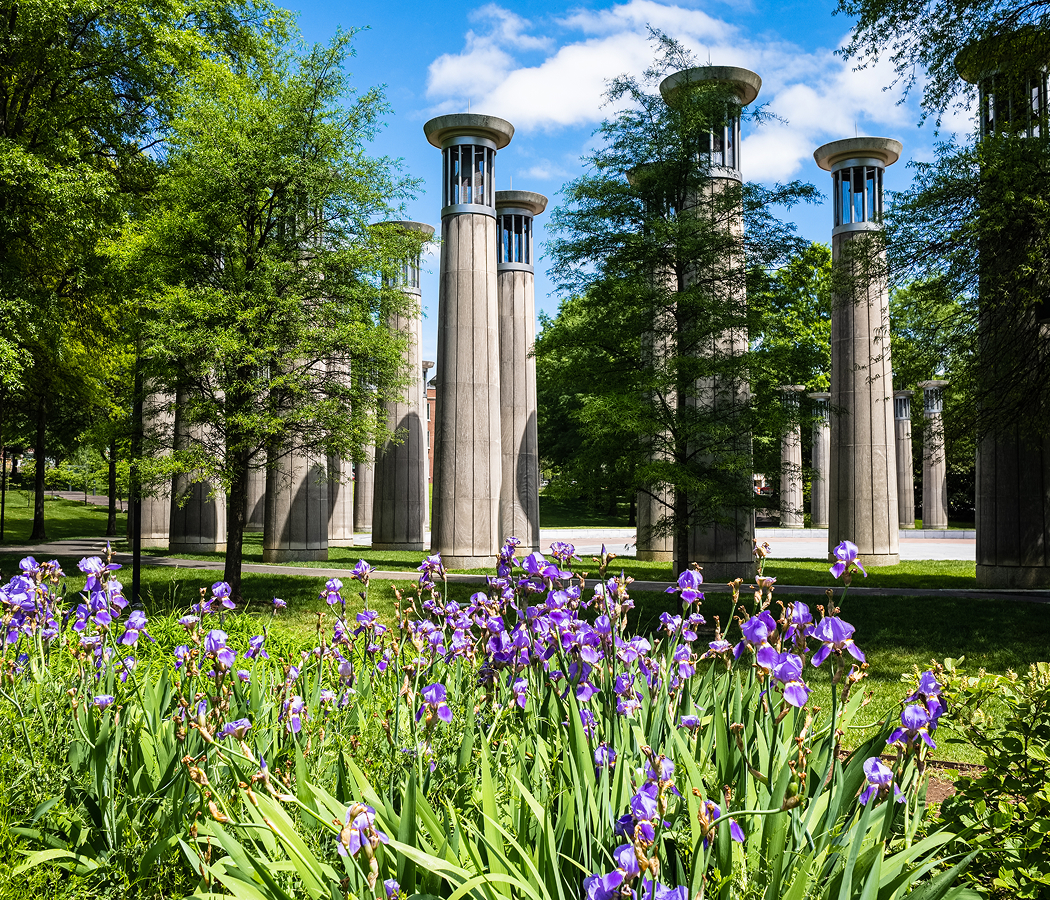
9th Street is best known for traversing the original 1839 Edwin Waller Plan, the city plan commissioned by President Mirabeau B. Lamar after Edwin Waller laid out the Republic of Texas capital using a rectilinear street grid that continues defining Downtown nearly two centuries later. The corridor passes through one of Texas' most architecturally significant civic districts, containing landmarks associated with the Texas State Capitol, completed in 1888 under architect Elijah E. Myers, whose Renaissance Revival design rises 302.64 feet, making it taller than the United States Capitol in Washington, D.C. Nearby cultural institutions including the Bullock Texas State History Museum, opened in 2001, and the Texas State Library and Archives Commission, established in 1909, reinforce the corridor's role as one of the state's foremost centers for historical scholarship, archival preservation, and public education. The surrounding district also encompasses contributing resources within multiple National Register of Historic Places listings, preserving nineteenth- and early twentieth-century commercial architecture alongside Beaux-Arts, Classical Revival, Art Deco, International Style, and contemporary high-rise construction that collectively document Austin's architectural evolution. Collectively, the corridor's Republic-era planning, grand civic architecture, state institutions, National Register resources, and architectural diversity establish 9th Street as one of Downtown's defining historic corridors.
The nearby Shoal Creek watershed influenced the western edge of Austin's original settlement, while riparian woodlands, limestone terraces, and periodic flood events shaped the city's earliest urban development beyond the Waller Plan. The Downtown Alliance, founded in 1993, has continued supporting streetscape improvements, preservation initiatives, economic development, and public programming that reinforce the district's civic vitality. Archaeological investigations throughout Downtown have documented Republic of Texas, nineteenth-century commercial, and earlier Indigenous cultural deposits that continue expanding scholarly understanding of human occupation within the Colorado River valley. Together, these environmental systems, civic organizations, and archaeological discoveries demonstrate how 9th Street reflects a corridor where urban planning, historic preservation, and thousands of years of human history remain closely interconnected.
How to fold 9th Street into your trip.
9th Street works as an exploration of Austin's civic heritage, state history, and architectural legacy.
Begin at Texas State Capitol, where grand Renaissance Revival architecture, landscaped grounds, and the seat of Texas government introduce the political history that has defined Austin since the Republic era. Continue to Bullock Texas State History Museum, where immersive exhibitions, historical artifacts, and multimedia presentations deepen the experience by revealing the people, events, and cultures that shaped Texas across centuries. Conclude at The Contemporary Austin - Jones Center, where internationally recognized exhibitions and innovative installations provide the historical payoff by connecting Austin's governmental and historical foundations with its thriving contemporary artistic identity. The progression moves naturally from state government to historical interpretation before culminating in one of the city's leading institutions for contemporary art.
Where your story begins.
Foresyte Travel reveals places that feel extraordinary long before you arrive.
Experience premium editorial crafted for luxury travelers.