Why you should experience The Kimpton Pittman Hotel in Dallas, Texas.
The Kimpton Pittman Hotel is where creative energy, curated design, and thoughtful hospitality converge, a stay that feels thriving, personality-rich, and deeply connected to Dallas's evolving character.
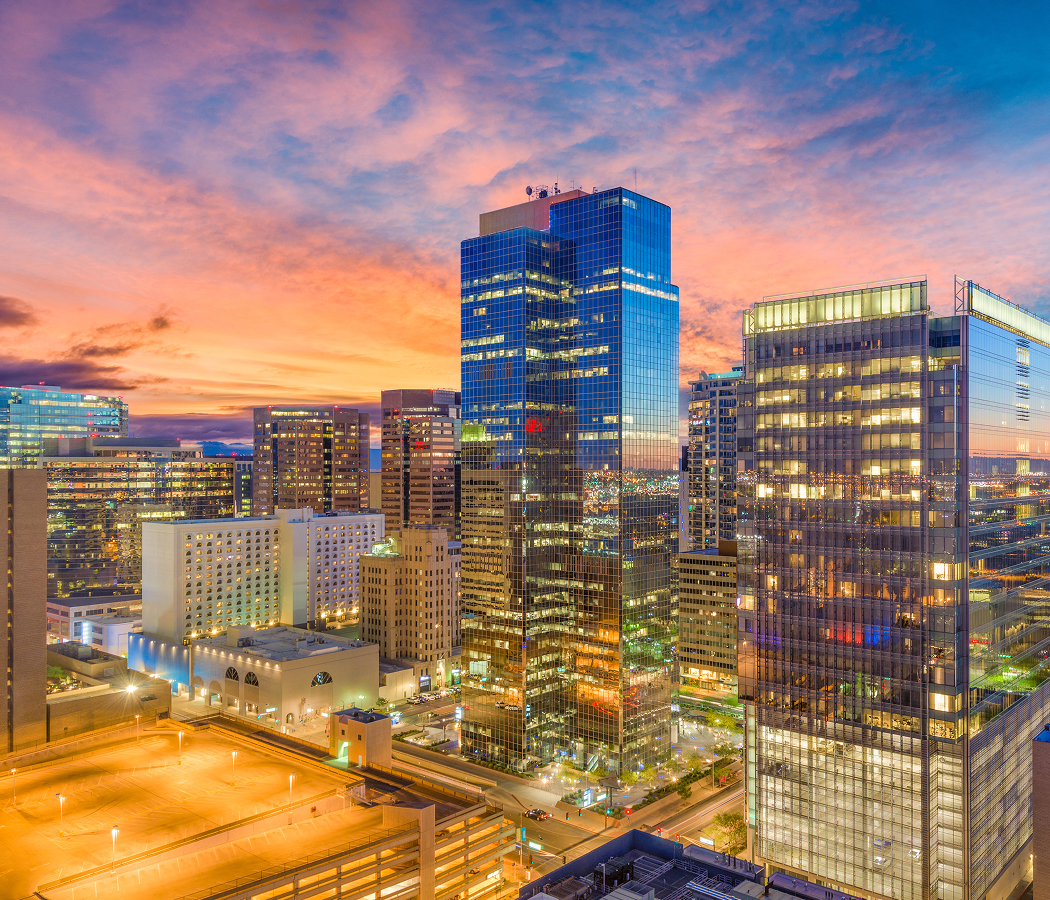
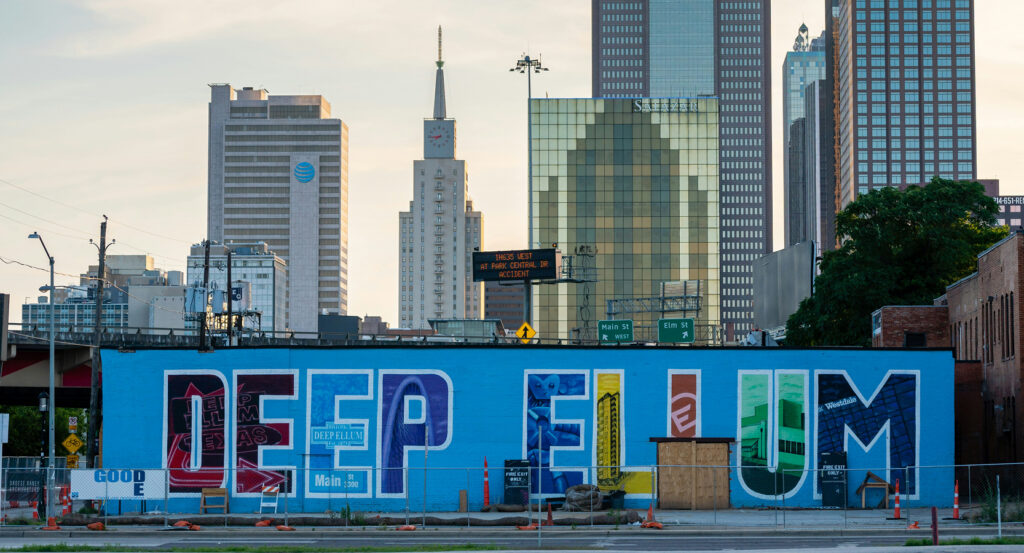
Located in the heart of Downtown near the rejuvenated Main Street District, The Kimpton Pittman Hotel places you within an urban mosaic defined by historic architecture, cultural venues, and a new wave of restaurants, bars, and walkable streets. Arrival here feels intentional and bright, the hotel's exterior reflects a blend of classic scale and contemporary spirit, signaling a place that respects context. Step inside and the atmosphere unfolds with purpose: interiors are layered with inviting materials, directional lighting, rich tones, and artful moments that feel considered. Public areas feel both social and intimate, spaces where conversation arises naturally, work happens comfortably, and pause is welcome. The lobby, lounges, and common nooks operate as living spaces. Guest rooms sustain this energy with design that feels warm and purposeful. Expect beds dressed in quality linens that support genuine rest, furnishings that balance comfort with refined aesthetics, and layout choices that make the space feel both functional and expressive. Rooms are light and approachable, with design choices that emphasize presence. Windows often frame Downtown, its grid, light variations, and evolving skyline, reminding you that this hotel is not a closed-off retreat but a vantage point into the city's momentum. Bathrooms are equally well-conceived: clean lines, tactile materials, generous surfaces, and lighting calibrated to support routine. What defines The Kimpton Pittman Hotel is its human-scaled hospitality with creative identity. This is not a hotel built to soak up checklists; it is one designed to support exploration, curiosity, and real lived experience. Public spaces don't merely exist, they reward use: from lounging with a book, planning your day over coffee, gathering for conversation, to unwinding after a long afternoon of walking. The on-site restaurant and bar are thoughtfully composed, with menus that reflect local intention and global sensibility: dishes that balance regional flavors with crafted execution, drinks that speak to mood as much as taste, and spaces that feel social. Service here is warm, attentive, and genuinely helpful. Staff offer guidance that feels informed and adaptable, suggestions rooted in actual local rhythm rather than rote lists: where to find a quiet brunch on a sunny Sunday, which gallery is worth a slow visit, how to navigate dinner neighborhoods nearby. Step outside and Dallas reveals itself in layers. Historic façades and theaters sit beside contemporary venues. The Main Street District's nightlife, walkable streets, and architectural contrasts unfold at your feet. Transit and pedestrian connections make Uptown, Deep Ellum, the Arts District, and Bishop Arts accessible. The Kimpton Pittman Hotel is ideal for travelers who want Dallas to feel alive, expressive, and inherently navigable, a stay that privileges presence, curated context, and authentic urban connection over performance or routine.
What you should know about The Kimpton Pittman Hotel.
The Kimpton Pittman Hotel reflects a broader shift in Dallas hospitality toward creative contextualism, places designed not to stand apart from the city but to live within its texture and support travel that feels like life.
The hotel sits near the historic core of Downtown, an area that has seen significant reinvestment as the city reimagines how culture, hospitality, and urban living intersect. This part of Dallas was not built for tourism, it was built for commerce, civic life, performance, and community, and its transformation into a more walkable, experience-rich district involved preserving that functional DNA. The Kimpton Pittman Hotel participates in that legacy by not isolating guests in a sealed enclave but by connecting them to the actual city context. Architecturally and spatially, this hotel does not shout. It engages. Interiors respect scale and proportion. Sightlines are maintained. Materials were chosen for tactile warmth and longevity. The lobby is expansive not because it seeks attention, but because it supports presence: low conversations, work moments, meeting friends, or simply being. A lesser-known aspect of the hotel's design lies in its approach to spatial flow. Rather than isolating public areas in grand halls and private spaces in siloed compartments, the layout feels connective. Seating arrangements support small groups and solo visitors alike. Lighting is calibrated to support human activity rather than dramatize, and circulation feels intuitive rather than contrived. This reflects a hospitality philosophy that privileges everyday use and comfort, it is design that supports life, not performance. Another subtle detail is how the hotel manages sound and movement. Despite being in a spirited district, the interiors are composed to regulate ambient sound: conversations carry without harshness, private spaces remain calm without isolation, and transitions between zones feel seamless rather than disruptive. This acoustic and spatial discipline contributes to the hotel's sense of controlled vivacity, lively. The restaurant and bar embody a similar principle. Rather than creating high-decibel nightlife for its own sake, these spaces prioritize craft, conversation, and context. Menus emphasize ingredients and technique, spaces accommodate varied moods, and service supports social energy in ways that feel effortless. Staying here places you within a Dallas that is curated through use. This is a city where lived neighborhoods, performance spaces, historic corridors, and modern venues overlap, and the hotel reflects that complexity.
How to fold The Kimpton Pittman Hotel into your trip.
The Kimpton Pittman Hotel works best when you let the city's own rhythm, neighborhood textures, and lived movement shape your exploration rather than trying to compress Dallas into sequential checklists.
Begin your mornings with coffee at the hotel or nearby, letting the early light and reduced street noise orient your senses before the city's tempo picks up. Step outside and walk. Not necessarily with a destination, let your curiosity steer you toward a historic façade, a gallery window, a café patio. This district rewards attention to detail over cursory stops. Late mornings are ideal for cultural exploration. Visit nearby theaters, creative spaces, or art venues where architecture and presence matter. Let scale and material register physically. Return to the hotel midday for a pause that feels restorative. In public lounges, read, plan, or simply observe how movement shifts through the space. In your room, rest with intention, this is part of the experience, not an interruption of it. In the afternoon, branch outward again. Walk or ride toward the Arts District for museums, Uptown for boutiques and dining, or Deep Ellum for music heritage and murals. Each neighborhood feels like a distinct conversation with the city, and returning to the hotel always feels like returning to context. As evening approaches, let dinner unfold. Choose a neighborhood table selected by instinct over reputation, or dine at the hotel's restaurant for crafted cuisine grounded in clarity and execution. After dinner, take a slow walk through illuminated streets, Dallas at night here feels intentional and calm. Return to the hotel's lounge or bar for a nightcap where conversation and presence matter more than volume or crowds. Nights here feel composed and social. On your final morning, linger. One more coffee. One more slow step through streets now familiar.
Where your story begins.
Foresyte Travel reveals places that feel extraordinary long before you arrive.
Experience premium editorial crafted for luxury travelers.