Why you should experience Washington Boulevard in Chicago, Illinois.
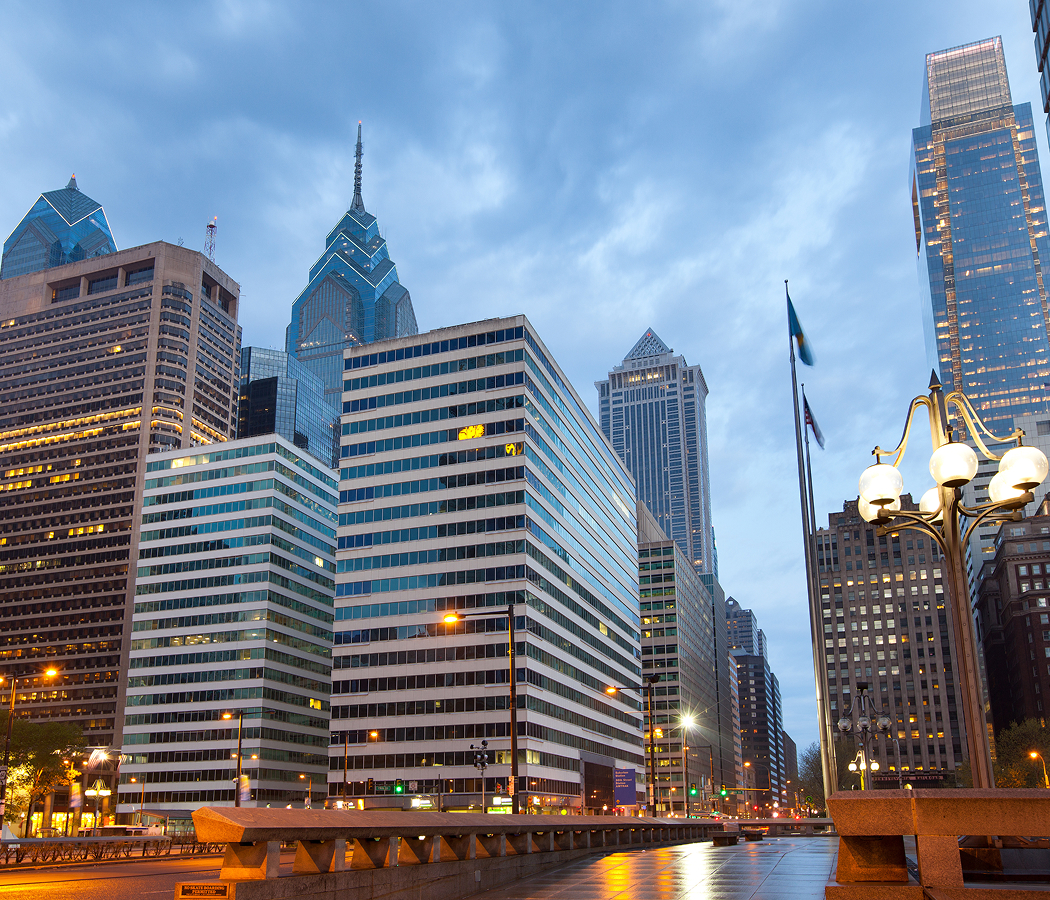
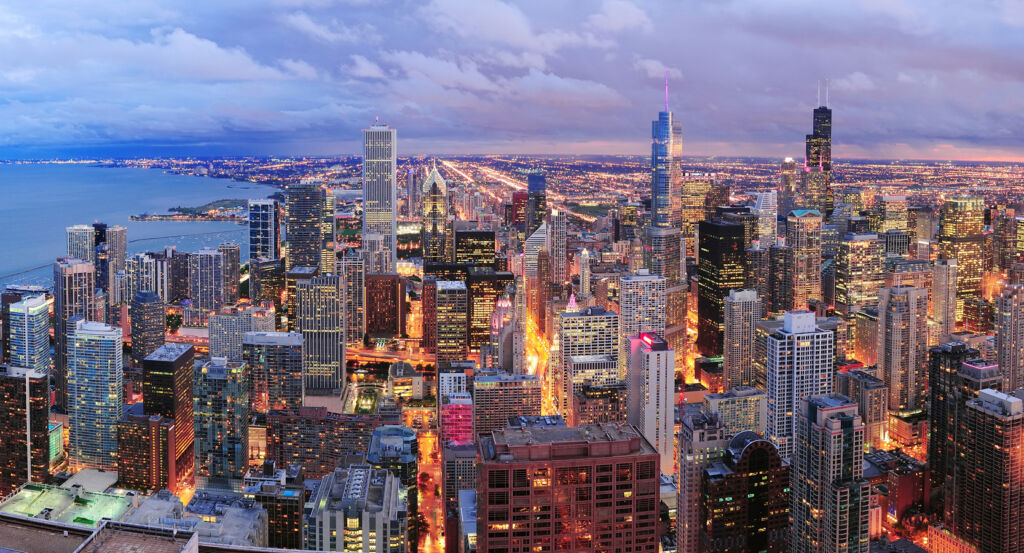
Washington Boulevard is an elegant corridor where the West Side's architectural grandeur, Chicago's boulevard tradition, and the city's civic history converge along one of its most distinguished thoroughfares.
Running through Garfield Park between East Garfield Park and the Illinois Medical District, the corridor links grand churches, historic apartment buildings, landscaped medians, and civic institutions that reflect more than a century of ambitious urban planning. Broad parkways, mature tree canopies, Beaux-Arts residences, and substantial masonry buildings preserve the boulevard character established during Chicago's great era of residential expansion. Walking along Washington Boulevard reveals how landscape design, transportation investment, and architectural excellence combined to create one of the city's defining ceremonial streets. The result is a corridor whose historic character continues to embody Chicago's boulevard legacy.
What you should know about Washington Boulevard.
Washington Boulevard is best known for forming a principal segment of the Chicago Boulevard System, whose interconnected parkways originated through legislation establishing the West Chicago Park Commission in 1869 and were subsequently refined under the leadership of landscape architect Jens Jensen during the early twentieth century. Residential development accelerated between the 1890s and the 1930s, producing an exceptional collection of Greystone residences, Classical Revival apartment buildings, Prairie School homes, and Beaux-Arts mansions that established the boulevard among Chicago's most prestigious residential addresses. Expansion of the Metropolitan West Side Elevated Railroad, whose Garfield Park Branch opened in 1895, strengthened accessibility while encouraging institutional, commercial, and residential investment throughout the surrounding neighborhoods. Continued preservation efforts within the West Garfield Park and East Garfield Park communities have retained substantial portions of the boulevard's historic streetscape despite successive periods of demographic and economic change.
Stretching through the boulevard, the West Side Park Commission commissioned grand landscape improvements that introduced broad planted medians, formal carriage drives, pedestrian promenades, and carefully arranged rows of elm, maple, and ash trees that distinguished Washington Boulevard from Chicago's conventional residential streets. Architect Henry Schlacks contributed the imposing Church of the Epiphany, completed in 1905, whose twin bell towers and Romanesque Revival design became one of the boulevard's defining architectural landmarks while reinforcing its concentration of significant religious institutions. Construction of substantial apartment hotels, private clubs, and professionally designed residences by architects including Horatio R. Wilson and Clarence Hatzfeld reflected the boulevard's emergence as one of the West Side's premier residential corridors during the early twentieth century. Together, these landscape commissions, grand architecture, and architect-designed residences demonstrate how Washington Boulevard evolved into a civic showpiece where transportation planning, landscape design, and architectural ambition became inseparably linked.
How to fold Washington Boulevard into your trip.
Washington Boulevard is best experienced through an exploration of Chicago's architectural heritage, cultural institutions, and historic park landscapes.
Begin at Garfield Park Conservatory, where expansive glasshouses, rare botanical collections, and nationally recognized landscape design introduce the boulevard's longstanding relationship with Chicago's park system. Continue to Golden Dome Field House, whose striking geodesic dome reflects another chapter in Garfield Park's recreational and architectural history. Conclude at Union Park, where landscaped grounds, public art, and neighborhood events provide a fitting finale that demonstrates the enduring legacy of Chicago's interconnected boulevard and park network. The progression moves naturally from horticultural heritage to civic recreation before concluding within another historic public landscape, revealing how Washington Boulevard connects some of the city's most significant public spaces.
Where your story begins.
Foresyte Travel reveals places that feel extraordinary long before you arrive.
Experience premium editorial crafted for luxury travelers.