Why you should experience Hancock Drive in Austin, Texas.
Hancock Drive is a graceful corridor where Hancock's Mid-Century character, neighborhood tradition, educational heritage, and enduring local character create one of Central Austin's most recognizable streets.
Running through Hancock between Hyde Park and Cherrywood, the corridor connects established residential blocks, neighborhood shopping destinations, recreational spaces, and longtime community institutions that reflect decades of Central Austin's steady evolution. Broad live oak canopies, limestone buildings, Mid-Century architecture, landscaped medians, and walkable streets establish an inviting setting shaped by generations of careful stewardship. Continuous reinvestment has strengthened the surrounding district while preserving the qualities that continue distinguishing Hancock from neighboring communities. The result is an experience defined by architectural continuity, neighborhood warmth, and one of Hancock's most enduring corridors.
What you should know about Hancock Drive.
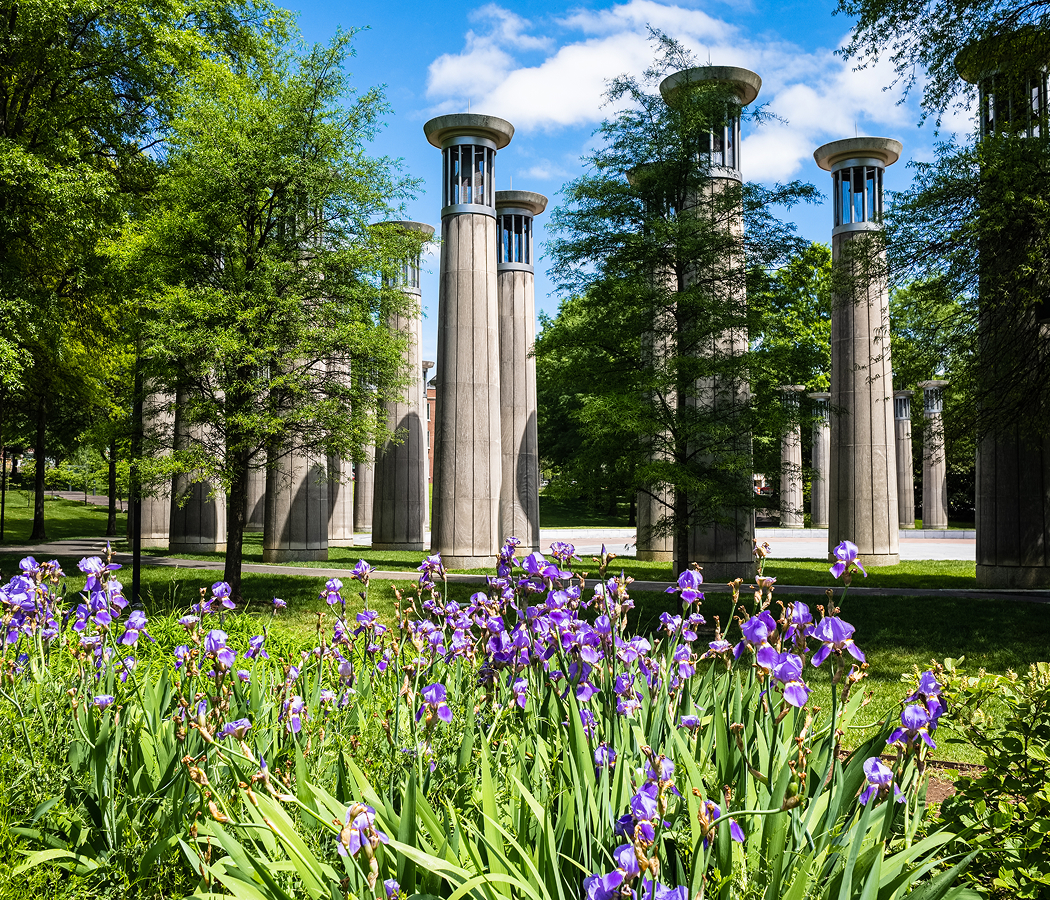
Hancock Drive is best known for serving the heart of Hancock, a neighborhood whose modern character emerged during the 1940s, 1950s, and 1960s as Austin expanded north from its original urban core through carefully planned residential subdivisions and neighborhood-scale commercial development. The corridor developed around the historic Hancock Golf Course, established in 1899 as one of Texas' oldest continuously operating golf courses, whose expansive greenspace permanently influenced the surrounding street network and residential layout. Commercial growth accelerated following construction of the Hancock Center, which opened in 1963 as Austin's first regional shopping center, introducing a new model of automobile-oriented retail that reshaped commercial development across Central Texas. Streetscapes combine Ranch-style residences, Mid-Century Modern homes, brick apartment buildings, limestone commercial structures, and mature live oak, cedar elm, pecan, and Texas red oak that collectively document more than a century of neighborhood evolution. Collectively, the corridor's recreational origins, postwar expansion, commercial innovation, architectural diversity, and mature urban landscape establish Hancock Drive as one of Central Austin's defining corridors.
The University Hills Optimist Club, founded in 1952, later established youth athletic programs that helped shape recreational traditions across Central Austin, complementing longstanding community participation in nearby public spaces. Nearby, the Austin Memorial Park Cemetery, established in 1924, preserves the burial places of numerous civic leaders, military veterans, educators, and business figures whose lives contributed to Austin's twentieth-century development. The surrounding landscape also reflects the eastern edge of the Balcones Fault Zone, where limestone formations, shallow soils, and native vegetation continue influencing drainage patterns and the area's characteristic tree canopy. Together, these civic institutions, historic landscapes, and geological systems demonstrate how Hancock Drive reflects a corridor where recreation, community heritage, and natural history continue reinforcing one another.
How to fold Hancock Drive into your trip.
Hancock Drive works as an exploration of Central Austin's neighborhood heritage, recreation, and cultural institutions.
Begin at Hancock Golf Course, where the historic fairways, mature trees, and century-old landscape introduce the recreational traditions that have shaped the surrounding neighborhood while establishing the historical foundation for the experience. Continue to Hancock Center, where one of Austin's earliest regional shopping destinations demonstrates the city's postwar commercial expansion through its enduring role as a neighborhood gathering place. Conclude at Elisabet Ney Museum, where the preserved studio, original sculptures, and personal collections of one of Texas' most accomplished artists provide the historical payoff by connecting Central Austin's residential evolution with its rich artistic legacy. The progression moves naturally from recreational heritage to commercial innovation before culminating in a cultural institution that enriches the broader story of Central Austin.
Where your story begins.
Foresyte Travel reveals places that feel extraordinary long before you arrive.
Experience premium editorial crafted for luxury travelers.