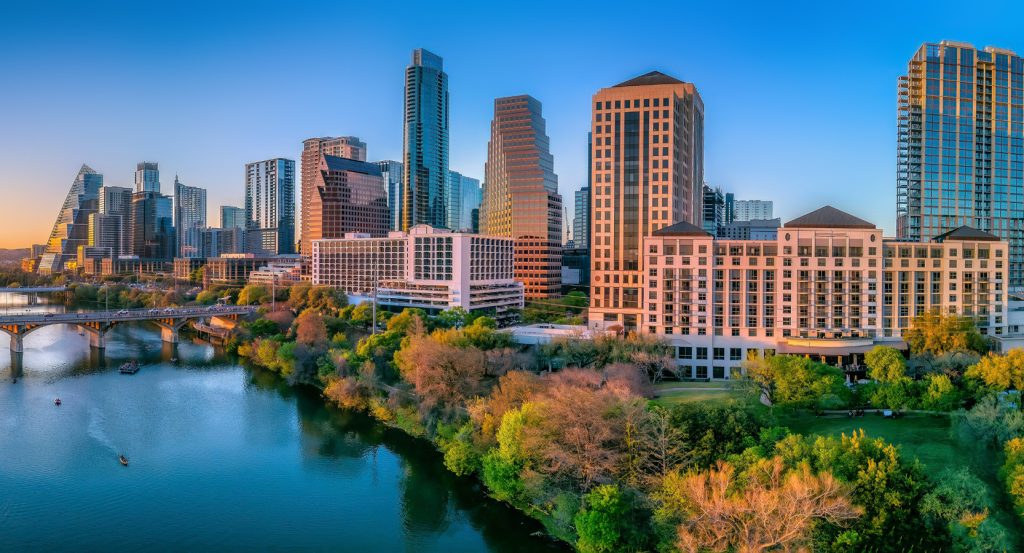
Why you should experience Hargrave Street in Austin, Texas.
Hargrave Street is a tranquil corridor where South Lamar's creative energy, neighborhood character, local craftsmanship, and enduring sense of place create one of South Austin's most engaging streets.
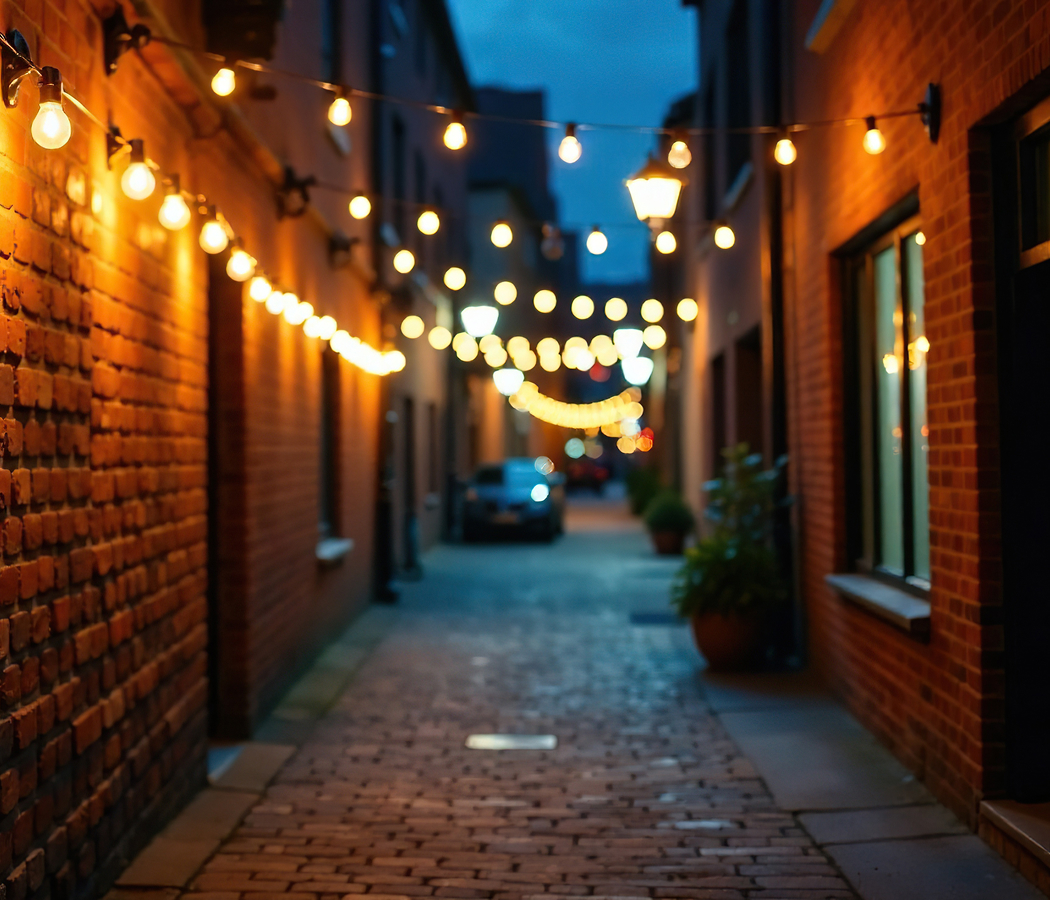
Running through South Lamar between Zilker and Bouldin Creek, the corridor connects established residential blocks, neighborhood businesses, creative workspaces, and shaded streets that reflect South Austin's longstanding independent identity. Mature live oaks, Mid-Century homes, renovated cottages, contemporary infill architecture, and locally rooted businesses create a streetscape that has evolved. Decades of thoughtful reinvestment have strengthened the surrounding community while preserving the relaxed atmosphere that distinguishes this part of the city. The result is an experience defined by neighborhood continuity, creative expression, and one of South Lamar's most appealing corridors.
What you should know about Hargrave Street.
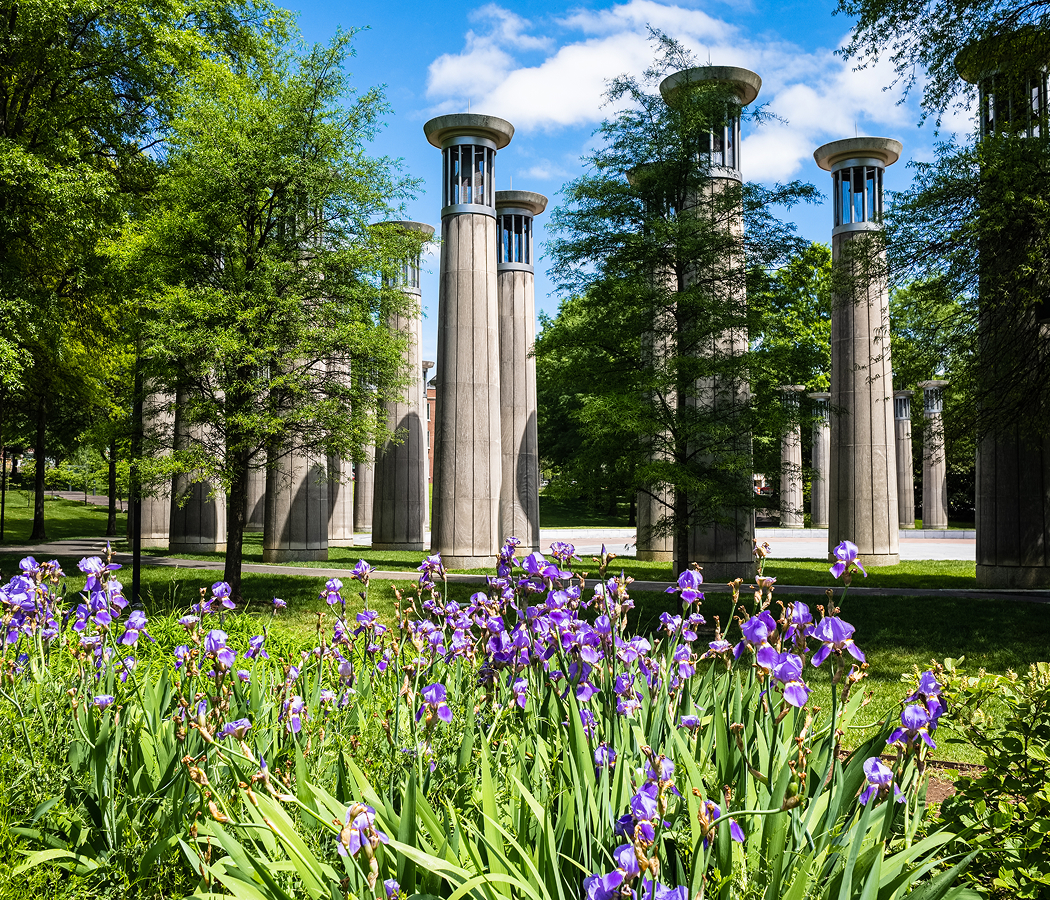
Hargrave Street is best known for occupying the center of South Lamar, an area that experienced substantial residential expansion during the 1940s, 1950s, and 1960s as Austin's population steadily grew beyond the Colorado River into formerly agricultural land. Development produced a varied collection of Ranch-style residences, Craftsman cottages, brick duplexes, Mid-Century Modern homes, and neighborhood-scale commercial buildings that collectively document the evolution of South Austin's postwar housing market. The corridor benefited from the continuing importance of South Lamar Boulevard, whose emergence as one of Austin's principal commercial arteries encouraged locally owned businesses, creative industries, professional offices, and neighborhood services to flourish throughout the surrounding district. Native live oak, cedar elm, pecan, Mexican plum, Texas red oak, and mountain laurel contribute to a mature urban canopy that supports pollinators, migratory birds, and seasonal biodiversity while reinforcing the area's established residential landscape. Collectively, the corridor's postwar development, architectural diversity, commercial evolution, environmental character, and neighborhood continuity establish Hargrave Street as one of South Lamar's defining corridors.
The South Lamar Neighborhood Association has remained an active community organization supporting neighborhood preservation, mobility improvements, urban forestry, and responsible redevelopment across the surrounding area for decades. Nearby, the Barton Springs Segment of the Edwards Aquifer underlies much of South Austin, with fractured limestone geology influencing groundwater movement, vegetation patterns, and environmental stewardship throughout the district. The surrounding street network also reflects Austin's gradual southward expansion through successive subdivision plats recorded during the mid-twentieth century, preserving a connected residential fabric that continues defining South Lamar today. Together, these neighborhood organizations, geological systems, and historic development patterns demonstrate how Hargrave Street reflects a corridor where community stewardship, natural resources, and thoughtful urban growth continue reinforcing one another.
How to fold Hargrave Street into your trip.
Hargrave Street works as an exploration of South Austin's creative culture, neighborhood identity, and outdoor spaces.
Begin at Ricky Guerrero Park, where shaded trails, native landscaping, and neighborhood gathering areas introduce the relaxed character that defines South Lamar while providing a natural starting point for the experience. Continue to The Long Center for the Performing Arts, where nationally recognized performances, public art, and panoramic skyline views expand the experience by highlighting the creative vitality that distinguishes Austin's cultural landscape. Conclude at Umlauf Sculpture Garden + Museum, where Charles Umlauf's sculptures, landscaped gardens, and permanent collections provide the historical payoff by revealing the artistic traditions that have shaped South Austin's cultural character for generations. The progression moves naturally from neighborhood green space to performing arts before culminating in a museum devoted to one of Austin's most influential artistic legacies.
Where your story begins.
Foresyte Travel reveals places that feel extraordinary long before you arrive.
Experience premium editorial crafted for luxury travelers.