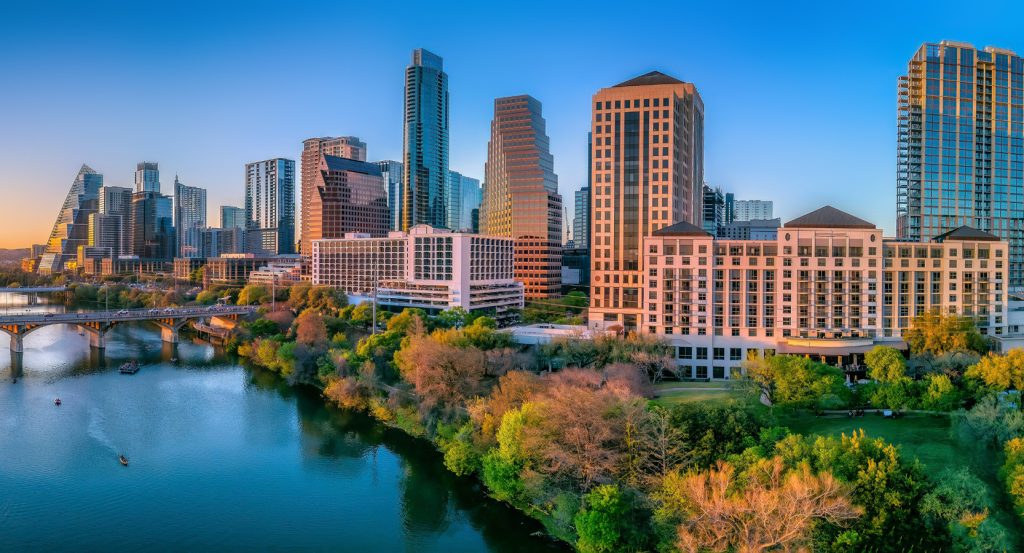
Why you should experience Jefferson Street in Austin, Texas.
Jefferson Street is a refined corridor where Old West Austin's architectural heritage, neighborhood elegance, civic history, and enduring residential character create one of Central Austin's most distinguished streets.
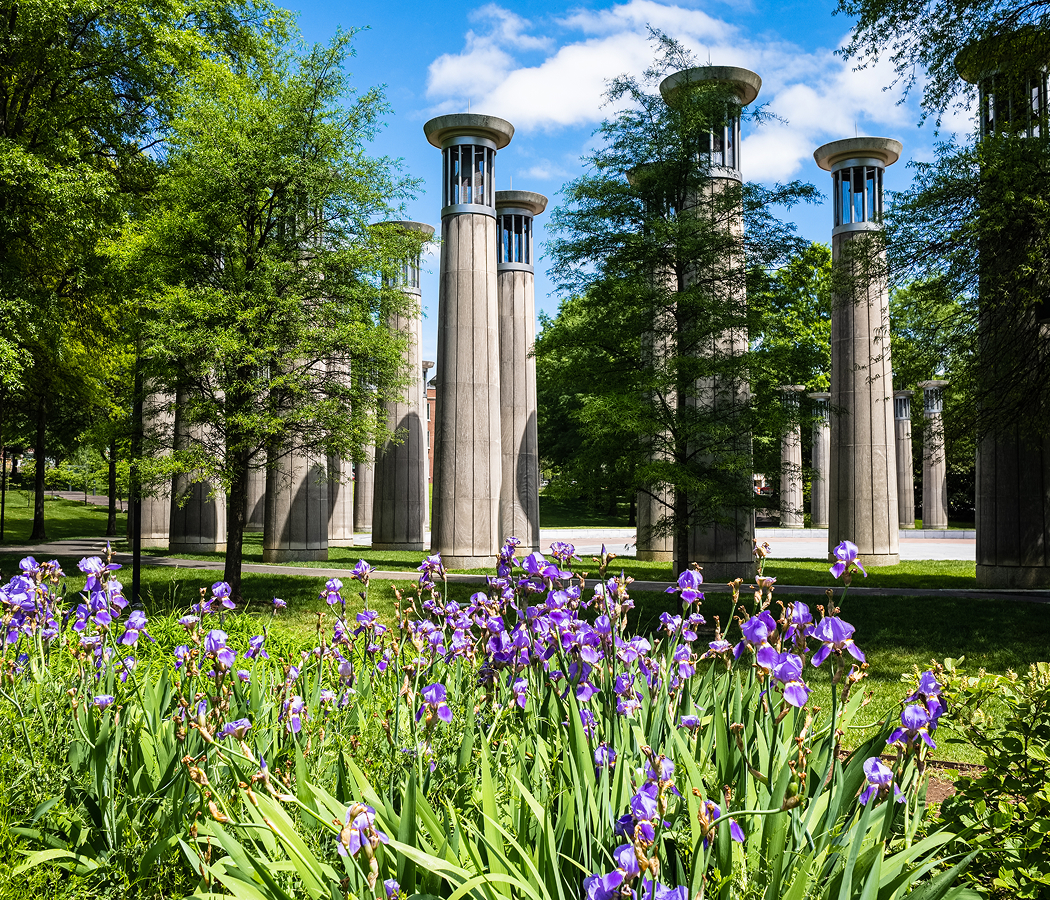
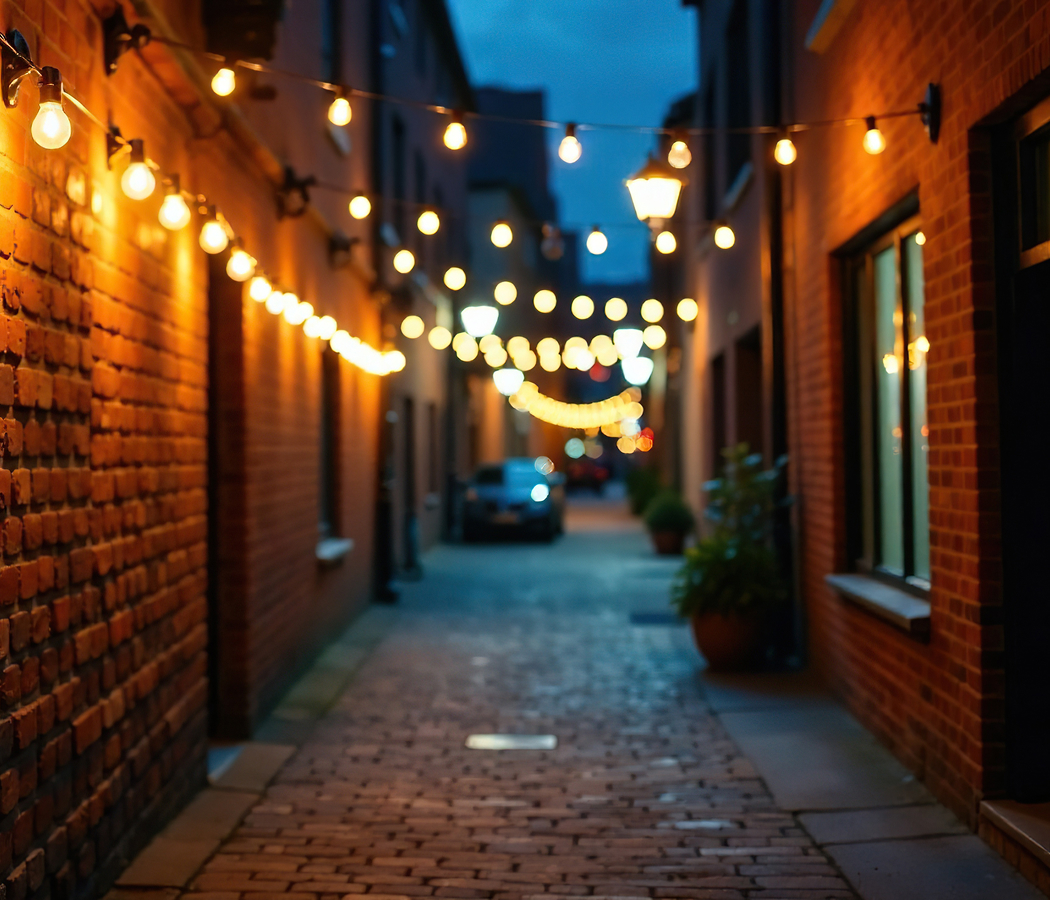
Running through Old West Austin between Clarksville and Bryker Woods, the corridor connects tree-lined residential blocks, historic homes, neighborhood institutions, and mature green spaces that reflect Austin's westward expansion during the late nineteenth and early twentieth centuries. Towering live oaks, limestone residences, broad setbacks, restored period architecture, and shaded sidewalks establish a streetscape shaped by generations of thoughtful stewardship. The corridor continues expressing a strong sense of place through its architectural continuity and carefully preserved neighborhood fabric. The result is an experience defined by historical depth, residential grace, and one of Old West Austin's most memorable corridors.
What you should know about Jefferson Street.
Jefferson Street is best known for traversing Old West Austin, a neighborhood whose earliest subdivisions emerged during the 1870s and 1880s as Austin expanded west from its original city grid, attracting civic leaders, educators, merchants, attorneys, and business owners who established one of the city's earliest affluent residential districts. Development accelerated between the 1890s and 1930s, producing an exceptional concentration of Queen Anne, Classical Revival, Craftsman, Colonial Revival, and Tudor Revival residences constructed from native limestone, brick, and wood by prominent local builders whose work continues defining the neighborhood's architectural character. The surrounding district contains numerous properties contributing to the Old West Austin Historic District, which was listed on the National Register of Historic Places in 2003, recognizing the area's architectural significance and unusually intact collection of late nineteenth- and early twentieth-century residences. Mature live oak, cedar elm, pecan, Texas red oak, Mexican sycamore, and mountain laurel create one of Central Austin's most established urban canopies while reinforcing the historic streetscape first envisioned more than a century ago. Collectively, the corridor's residential history, architectural diversity, historic designation, mature landscape, and longstanding civic prominence establish Jefferson Street as one of Old West Austin's defining corridors.
The West Austin Neighborhood Group, organized in 1973, has played a longstanding role in neighborhood preservation, urban forestry, mobility improvements, and architectural stewardship across Old West Austin. Nearby, the Texas Military Institute, established in 1893 before later relocating to San Antonio, occupied part of the surrounding district and contributed to the area's educational history during the late nineteenth century. The neighborhood also preserves extensive limestone retaining walls, original granite curbs, historic alley networks, and early street layouts that continue illustrating nineteenth-century approaches to residential urban design throughout western Austin. Together, these neighborhood organizations, educational institutions, and surviving streetscape features demonstrate how Jefferson Street reflects a corridor where preservation, community leadership, and historical continuity continue reinforcing one another.
How to fold Jefferson Street into your trip.
Jefferson Street works as an exploration of Central Austin's architectural heritage, neighborhood history, and cultural traditions.
Begin at Pease Park, where winding trails, limestone bluffs, mature woodland, and Shoal Creek introduce the natural landscape that influenced western Austin's earliest residential development while establishing a peaceful beginning to the outing. Continue to Clarksville Historic District, where preserved nineteenth-century homes, neighborhood streets, and the legacy of one of Austin's earliest freedmen's communities deepen the experience by expanding the area's architectural and cultural narrative. Conclude at Neill-Cochran House Museum, where the 1855 Greek Revival residence, original furnishings, and carefully interpreted collections provide the historical payoff by revealing the domestic life that shaped Austin during its earliest decades. The progression moves naturally from the landscape that attracted settlement to an intact historic neighborhood before culminating inside one of Austin's oldest surviving residences.
Where your story begins.
Foresyte Travel reveals places that feel extraordinary long before you arrive.
Experience premium editorial crafted for luxury travelers.