Why you should experience Matilda Street in Dallas, Texas.
Matilda Street is a graceful corridor where Greenland Hills' residential heritage, architectural craftsmanship, neighborhood vitality, and enduring streetscape create one of East Dallas' most distinctive avenues.
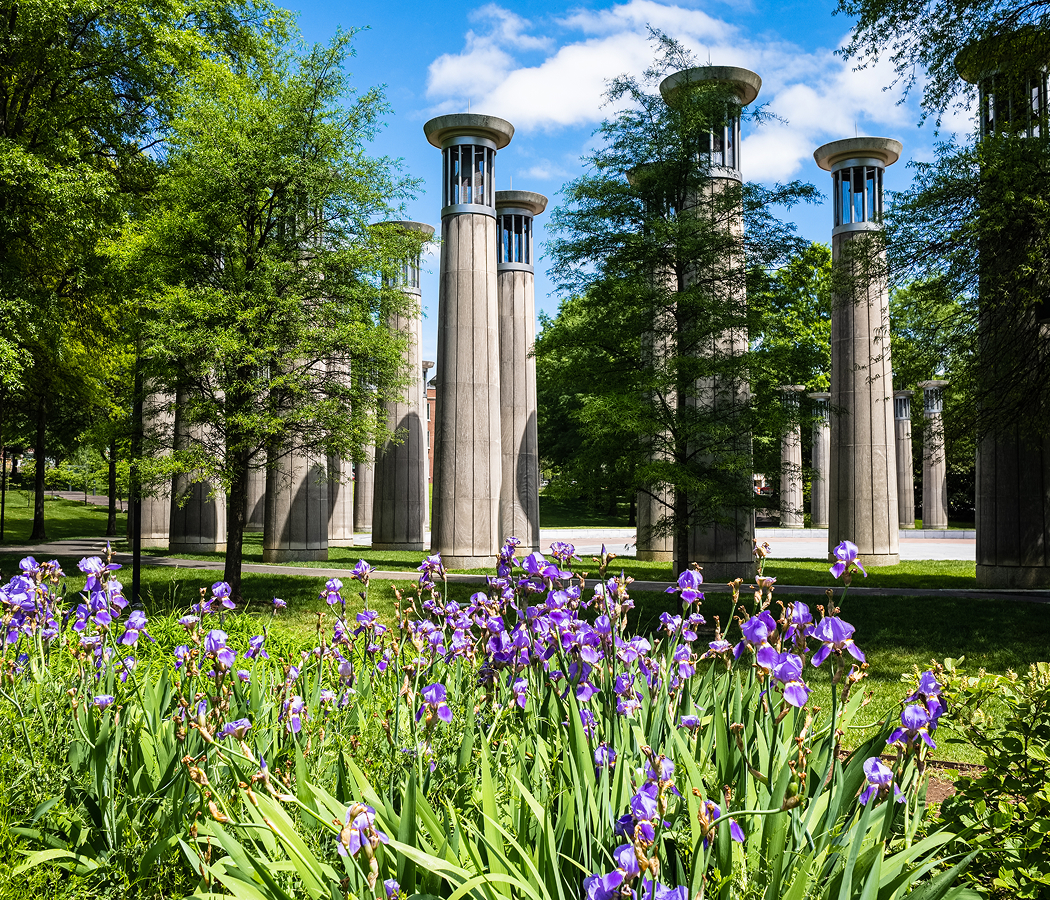
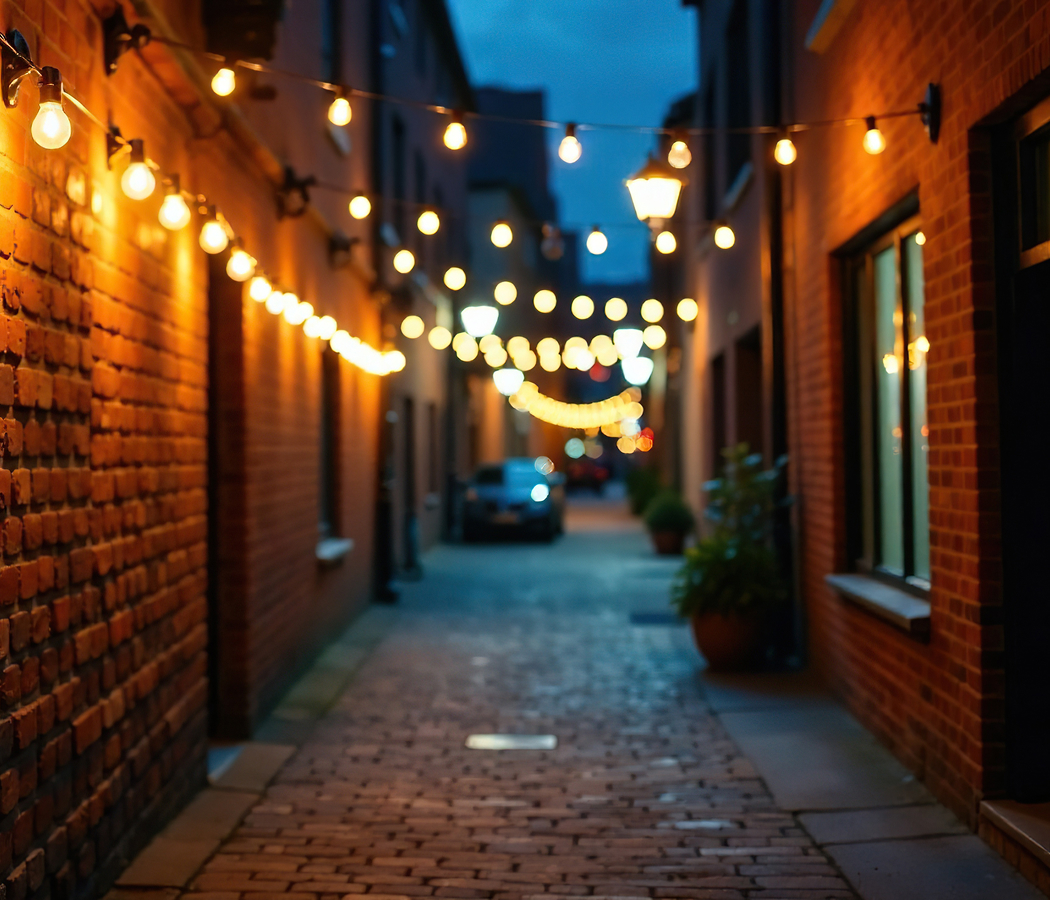
Running through Greenland Hills between Lower Greenville and University Park, the corridor connects historic residences, neighborhood parks, schools, and tree-lined blocks that reflect the thoughtful planning behind one of Dallas' most admired residential communities. Each successive block reveals Tudor Revival homes, mature live oaks, brick façades, landscaped setbacks, and inviting front porches that reinforce the street's cohesive architectural identity. The defining moment arrives as Matilda Street demonstrates how preservation, careful reinvestment, and enduring neighborhood stewardship continue shaping one of East Dallas' most celebrated residential environments. The result is an experience defined by architectural warmth, neighborhood continuity, and one of Greenland Hills' most rewarding corridors.
What you should know about Matilda Street.
Matilda Street is best known for developing as part of Greenland Hills, among Dallas' premier streetcar-era neighborhoods established during the 1910s and 1920s, when expanding electric railway service encouraged substantial residential growth east of Downtown. Construction throughout the 1920s and 1930s introduced cohesive collections of Tudor Revival, Colonial Revival, Craftsman, and Minimal Traditional residences featuring brick masonry, decorative half-timbering, limestone trim, steeply pitched roofs, original wood sash windows, prominent masonry chimneys, and deep front porches that continue defining the corridor's architectural identity. Greenland Hills received designation as a Dallas Landmark District in 1989, recognizing the neighborhood's exceptional architectural integrity, cohesive planning, and historic residential character. Uniform building setbacks, interconnected sidewalks, mature tree canopies, and consistently scaled lots preserve the subdivision's original planning principles while reinforcing Matilda Street's harmonious streetscape. Long-term restoration efforts by homeowners have sustained original architectural details while encouraging compatible residential improvements that respect the corridor's historic fabric. Collectively, the corridor's streetcar-era origins, landmark recognition, architectural craftsmanship, and enduring neighborhood planning established Matilda Street as one of Greenland Hills' defining historic corridors.
The Greenland Hills Neighborhood Association continues supporting preservation initiatives, neighborhood beautification projects, and community programming that reinforce Matilda Street's architectural character while encouraging thoughtful stewardship of historic residences. The Dallas Landmark Commission oversees local historic protections affecting the surrounding district, helping preserve original exterior architectural features and guiding appropriate rehabilitation throughout the neighborhood. Native live oaks, cedar elms, magnolias, ornamental hedges, limestone edging, and carefully maintained planting beds create a mature landscape that complements the historic residences while preserving the corridor's distinctive tree canopy. Together, these neighborhood organizations, preservation efforts, and enduring landscape traditions demonstrate how Matilda Street continues retaining its historic character through sustained community stewardship and careful conservation.
How to fold Matilda Street into your trip.
Matilda Street works as a leisurely exploration of East Dallas' residential architecture and neighborhood culture.
Begin at Lower Greenville, where independent cafés, neighborhood boutiques, and restored storefronts establish the area's welcoming character while naturally introducing the historic streets surrounding Matilda Street. Continue to Glencoe Park, where mature shade trees, athletic facilities, and landscaped open spaces deepen appreciation for the residential environment before guiding the experience toward its architectural conclusion. Conclude at George W. Bush Presidential Center, where distinguished architecture, presidential history, and thoughtfully designed grounds provide the historical payoff by illustrating the broader civic and cultural influence of the surrounding area. The progression moves naturally from neighborhood commerce to community parkland before culminating in one of Dallas' most significant civic institutions.
Where your story begins.
Foresyte Travel reveals places that feel extraordinary long before you arrive.
Experience premium editorial crafted for luxury travelers.