Why you should experience Sullivan House in Dallas, Texas.
Sullivan House is a beautifully preserved Victorian residence where Old City Park's architectural heritage, neighborhood history, nineteenth-century craftsmanship, and historic preservation showcase one of Dallas' finest middle-class homes.
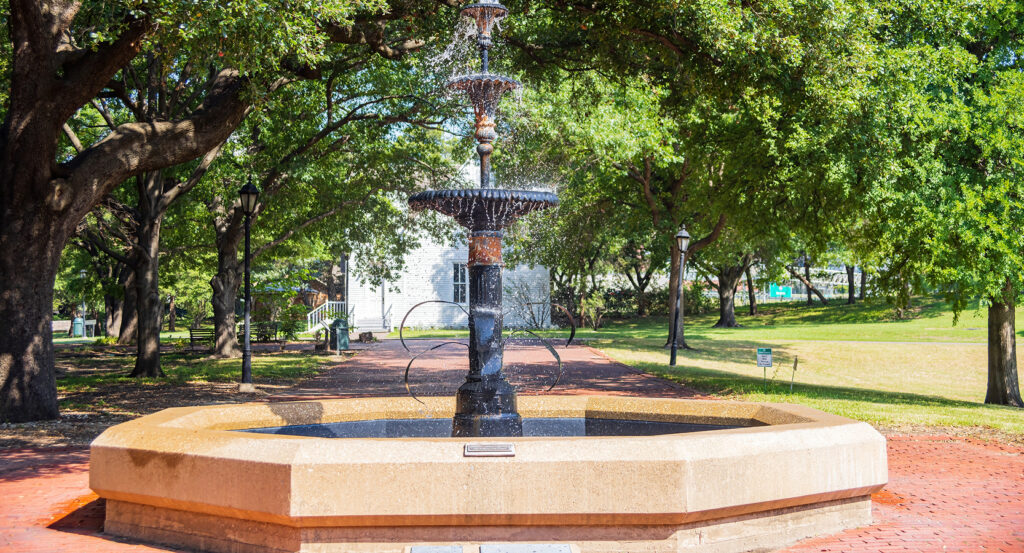
Set within Old City Park near Millermore House and just steps from Browder Springs, this elegant Queen Anne residence welcomes visitors into richly furnished period rooms featuring decorative woodwork, bay windows, ornamental shingles, wraparound porches, and original domestic details that demonstrate everyday life during Dallas' rapid late nineteenth-century growth. Intricate millwork, colorful Victorian styling, and carefully restored interiors create an atmosphere that transports visitors to one of the city's most prosperous eras. Every room reveals another chapter in the lives of the families who helped shape early Dallas. The result is an experience defined by architectural authenticity, social history, and one of North Texas' finest preserved Victorian homes.
What you should know about Sullivan House.
Sullivan House is best known for preserving one of the best surviving examples of middle-class Queen Anne domestic architecture in nineteenth-century Dallas, originally constructed in 1895 for Daniel F. Sullivan, a prominent plumbing and gas-fitting contractor who later became Dallas' first Water Commissioner. Built in the fashionable Cedars neighborhood only a few blocks from its present location, the residence remained occupied by the Sullivan family for nearly 100 years, documenting the evolution of Dallas from a frontier town into a modern city. The house reflected many technological advances uncommon for its era, including indoor plumbing, an early gas-lighting system, and a thoughtfully designed floor plan that demonstrated the growing prosperity of Dallas' professional class. Its Queen Anne architecture features fluted Ionic columns supporting a wraparound porch, decorative gingerbread trim, patterned wood shingles, projecting bay windows, and an asymmetrical composition characteristic of the period, while the original property also included a detached kitchen, laundry building, and carriage house. During the wave of urban redevelopment that transformed Dallas during the 1960s, Sullivan House faced demolition before preservationists carefully relocated it to Old City Park, where it became part of one of Texas' largest collections of restored nineteenth-century buildings. The house also reflects Daniel Sullivan's lasting civic influence, as City Park was officially renamed Sullivan Park between 1936 and 1941 in recognition of his service to Dallas' public water system. Today, faithfully restored period furnishings and interpretive exhibits demonstrate the daily routines, technological innovations, and domestic life of Dallas' emerging middle class during the city's most transformative decades. Together, exceptional Victorian architecture, remarkable preservation, pioneering civic history, and authentic domestic interpretation establish Sullivan House as one of Dallas' most significant historic residences.
The house continues demonstrating how historic preservation can rescue ordinary yet culturally significant homes that collectively tell the story of a city's growth. Original architectural details, meticulous restoration, outstanding historical interpretation, and its place within Old City Park reinforce Sullivan House's standing among North Texas' finest preserved Victorian residences while illustrating the importance of safeguarding Dallas' architectural heritage.
How to fold Sullivan House into your trip.
Sullivan House works as part of an exploration through Old City Park's remarkable collection of historic buildings.
Begin at Millermore House, where Dallas County's only surviving antebellum plantation house introduces the remarkable architectural heritage preserved throughout Old City Park before exploring Sullivan House. Continue to Browder Springs, whose natural spring gave rise to Dallas' first city park and the surrounding historic village. Conclude at Pioneer Plaza, where grand bronze cattle sculptures provide a memorable finale celebrating the frontier heritage that shaped early Dallas. The progression moves naturally from grand antebellum architecture to Victorian domestic life before concluding with one of the city's defining public monuments, revealing why Sullivan House remains an essential chapter in Dallas' architectural story.
Where your story begins.
Foresyte Travel reveals places that feel extraordinary long before you arrive.
Experience premium editorial crafted for luxury travelers.