Why Alhambra matters.
Alhambra is one of Phoenix's most historically important neighborhoods, where mid-century character, cultural diversity, and some of the city's most beloved local institutions come together in a district that helped shape modern Phoenix.
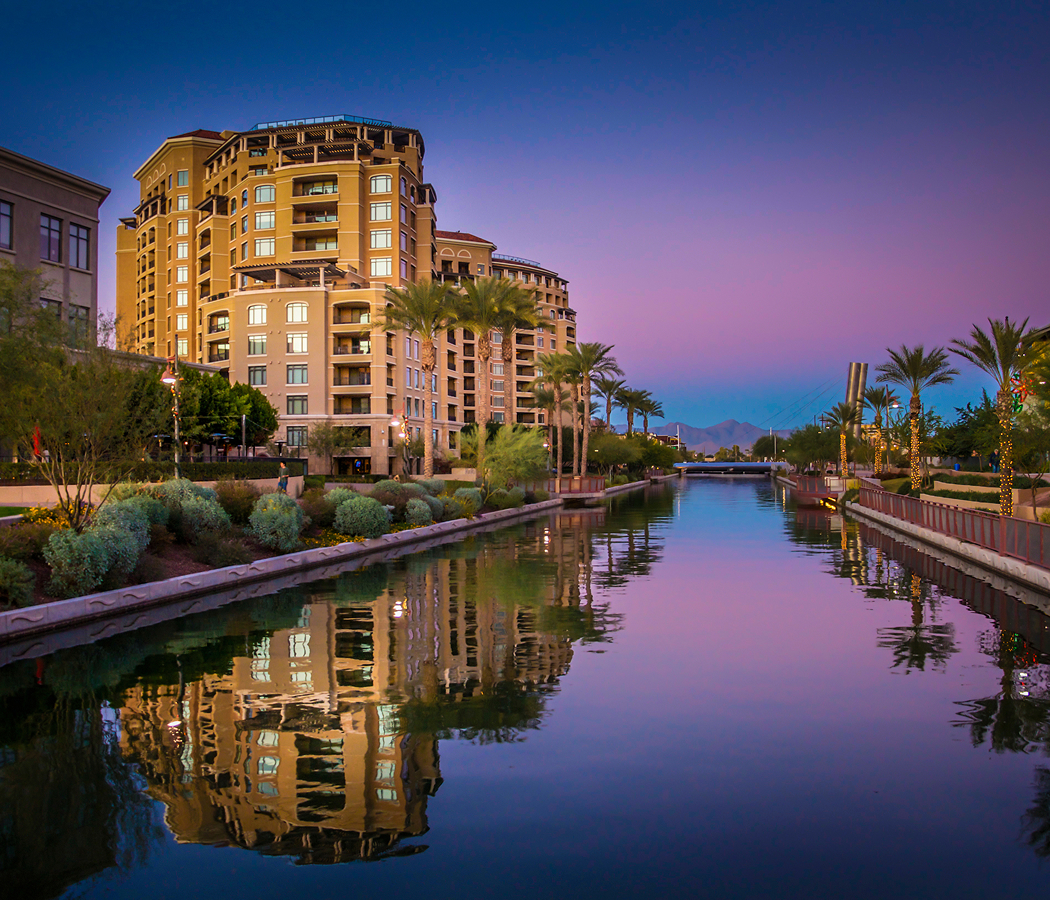
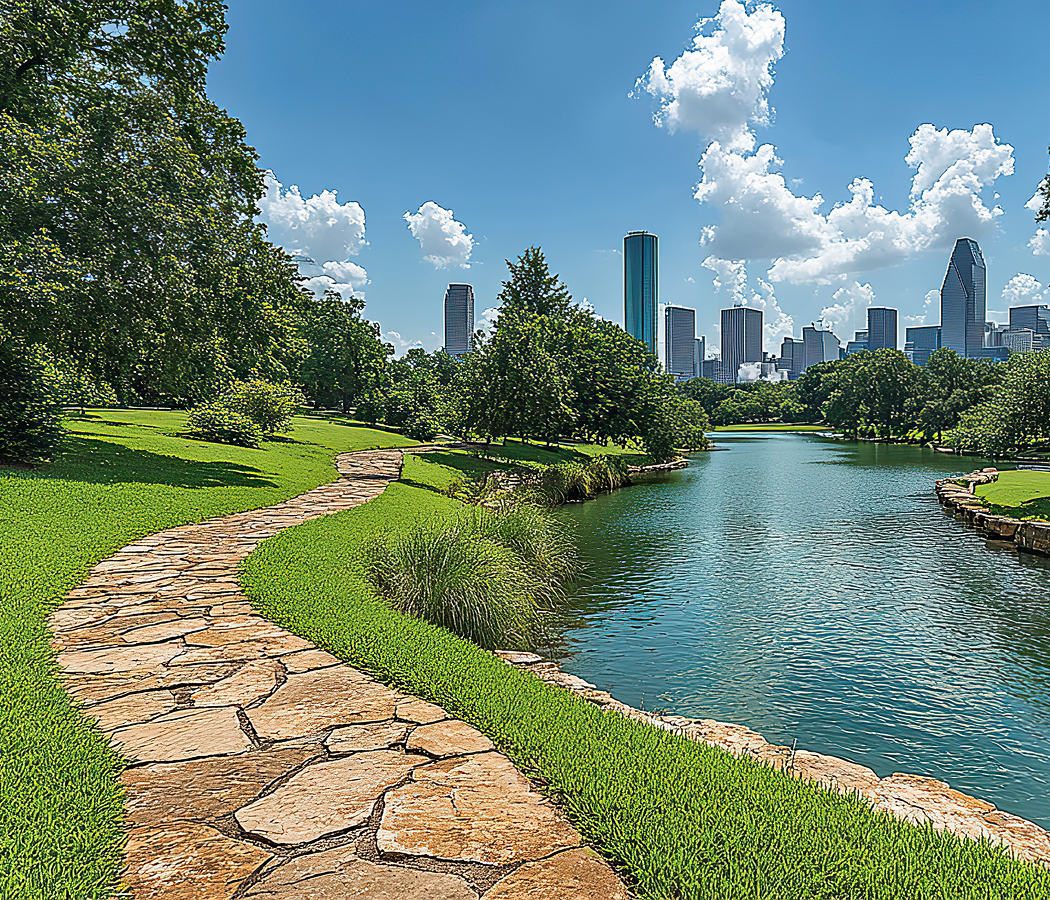
Located in the heart of Central Phoenix, the neighborhood unfolds through broad residential streets, classic ranch-style homes, mature landscaping, neighborhood parks, family-owned restaurants, and commercial corridors that reflect decades of growth and community life. Towering palm trees and citrus-lined streets soften the urban landscape, while longtime local businesses coexist alongside newer immigrant-owned shops and restaurants that contribute to the area's evolving identity. Residents gather in community parks, neighborhood cafés, and cultural spaces that have anchored the district for generations. The neighborhood feels authentic, lived-in, and deeply connected to the everyday rhythms of Phoenix beyond its resort and tourism destinations.
What defines Alhambra.
Alhambra is best known for being one of Phoenix's original postwar growth corridors, helping transform the city from a modest desert capital into one of the fastest-growing metropolitan areas in the United States during the mid-twentieth century.
Following World War II, large-scale residential development expanded outward from Downtown, and Alhambra became one of the city's defining suburban neighborhoods. New schools, shopping centers, parks, and residential communities attracted families seeking opportunity in a rapidly growing Sun Belt city. The district's central location and accessibility helped make it a cornerstone of Phoenix's expansion during the decades when the city emerged as a major American metropolitan area. Today, traces of that history remain visible through its architecture, street layouts, and long-established community institutions.
How Alhambra fits.
Alhambra is an ideal destination for a day spent exploring Central Phoenix's history, culture, and neighborhood life.
Begin at Steele Indian School Park, where expansive lawns, lakes, and cultural landmarks provide an introduction to one of Central Phoenix's most important public spaces before exploring the surrounding neighborhood. From there, continue toward the Heard Museum to experience one of the nation's premier collections of Indigenous art and culture before making your way to the nearby Melrose District, where vintage shops, local restaurants, and neighborhood businesses showcase another side of Central Phoenix. As the afternoon unfolds, spend time exploring Alhambra's residential streets and community landmarks before returning to the area for dinner at one of its longstanding local establishments. Steele Indian School Park, Heard Museum, and Melrose District create a natural progression through the landmarks that best capture the neighborhood's identity. Alhambra fits seamlessly into that journey, serving as both a window into Phoenix's postwar growth and a spirited community that continues to reflect the city's diverse character.
Where your story begins.
Foresyte Travel reveals places that feel extraordinary long before you arrive.
Enjoy editorial crafted for luxury travelers.
Foresyte may earn a commission when you book.