Why Berkman Drive matters.
Berkman Drive is an energetic corridor where Windsor Park's postwar heritage, neighborhood resilience, expanding innovation, and enduring East Austin character converge across one of the district's defining thoroughfares.
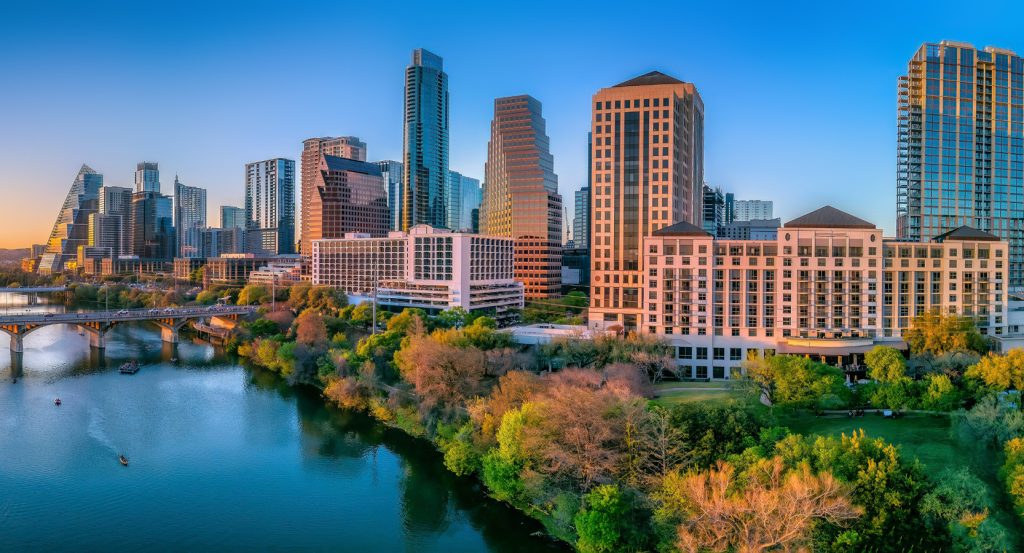
Running through Windsor Park between University Hills and Mueller, the corridor links established residential neighborhoods, modern mixed-use districts, public parks, and commercial centers that demonstrate more than seven decades of growth across Northeast Austin. Mature live oaks, broad boulevards, mid-century homes, and contemporary redevelopment create a setting where Austin's postwar expansion continues evolving alongside thoughtfully planned reinvestment. Successive generations of residential development have preserved the corridor's neighborhood character while embracing new civic and economic opportunities. The result is an experience defined by architectural continuity, community vitality, and one of Windsor Park's most significant corridors.
What defines Berkman Drive.
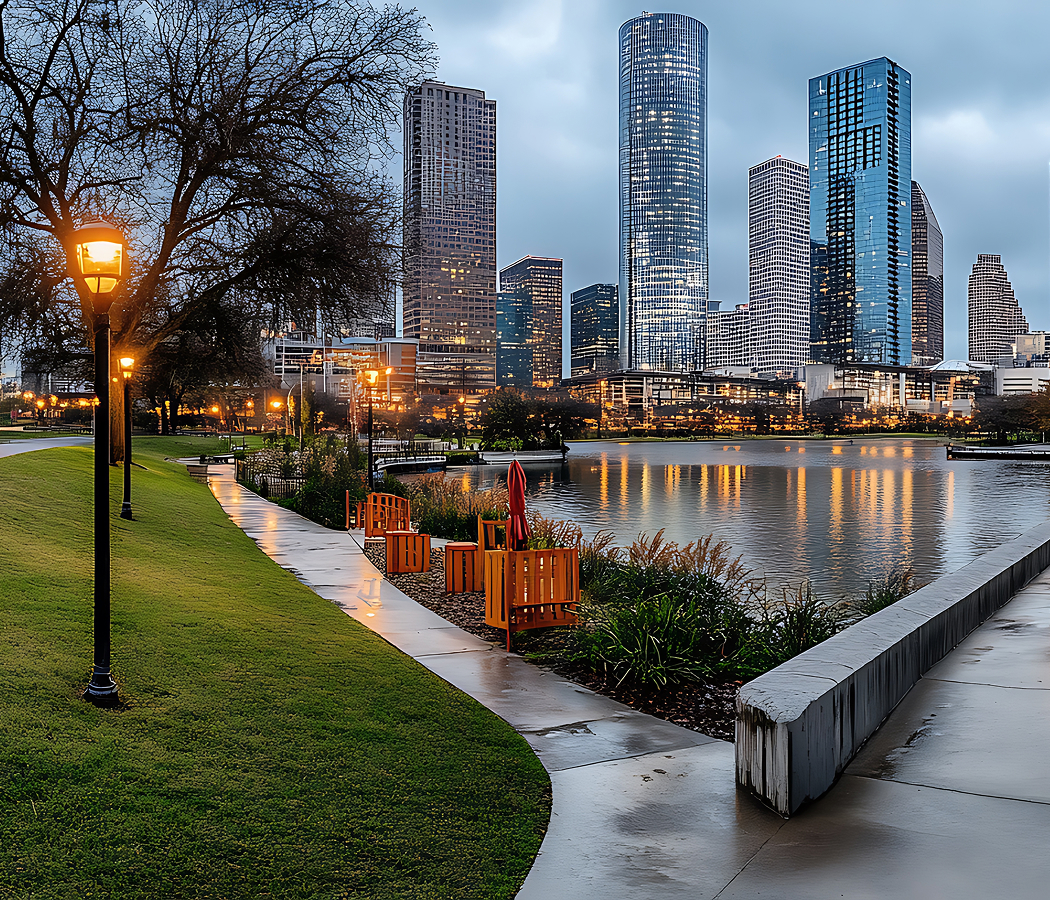
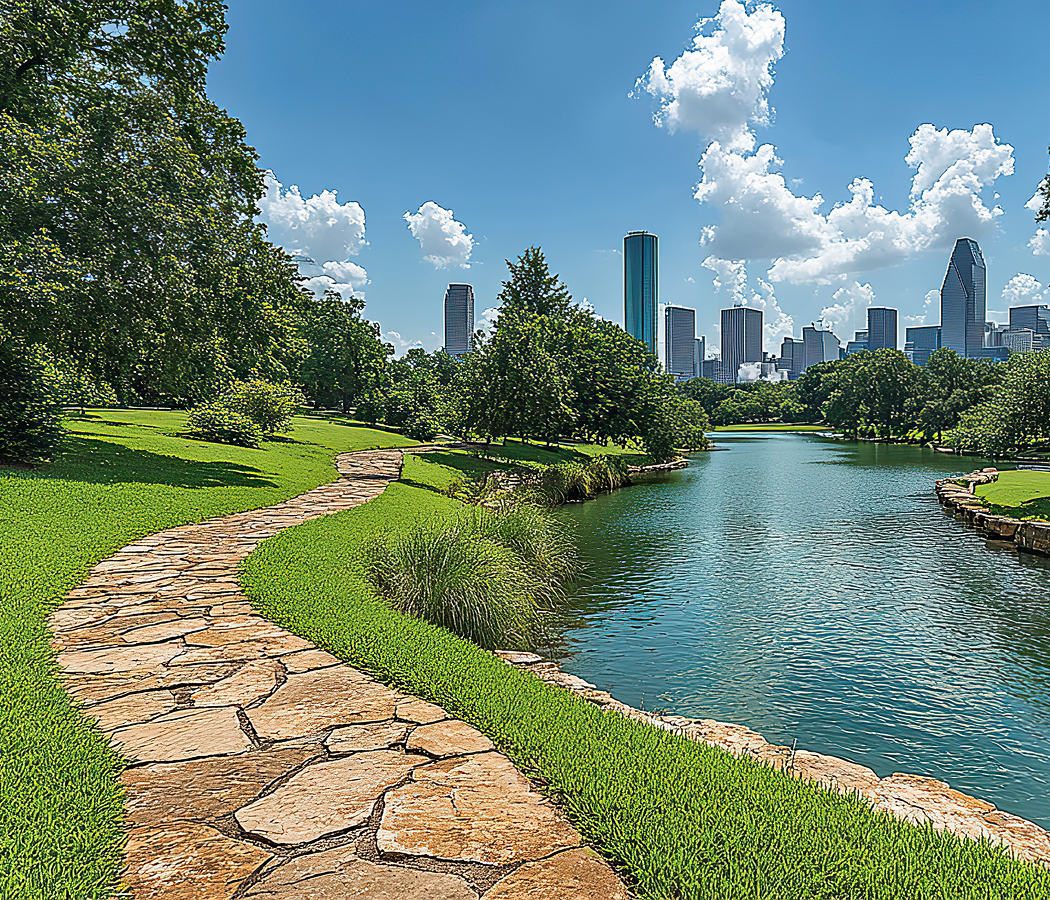
Berkman Drive is best known for connecting several of Austin's most significant postwar growth areas, reflecting the rapid residential expansion that transformed Windsor Park during the 1950s and 1960s as Austin's population nearly doubled in the decades following World War II. The corridor borders the nationally recognized Mueller redevelopment, created after the closure of Robert Mueller Municipal Airport in 1999, where a 711-acre master-planned district replaced Austin's former commercial airport following approval of a comprehensive redevelopment plan emphasizing sustainable urban design, mixed-income housing, and public open space. Nearby Mueller Lake Park, extensive hike-and-bike trails, restored prairie landscapes, and certified green infrastructure demonstrate one of the nation's most influential examples of brownfield redevelopment, while the district has earned multiple national planning and sustainability awards through the Urban Land Institute, Congress for the New Urbanism, and other professional organizations. The surrounding landscape also preserves mature stands of live oak, cedar elm, pecan, and Mexican plum while resting upon Cretaceous limestone characteristic of the eastern Balcones Escarpment, supporting native wildlife and resilient urban forest ecosystems. Collectively, the corridor's postwar residential history, nationally recognized redevelopment, environmental restoration, geological foundations, and sustainable planning establish Berkman Drive as one of East Austin's defining modern corridors.
The nearby Tannehill Branch watershed continues supporting riparian vegetation, native bird populations, aquatic habitat, and floodplain ecology that long predate urban development across Northeast Austin. The Windsor Park Neighborhood Association, established during the twentieth century, has played a longstanding role in neighborhood preservation, tree planting, community engagement, and stewardship as surrounding districts evolved through successive periods of growth. Archaeological investigations conducted before portions of the Mueller redevelopment documented prehistoric cultural resources that contributed to a broader understanding of Indigenous occupation across the Blackland Prairie of Central Texas. Together, these environmental systems, civic organizations, and archaeological discoveries demonstrate how Berkman Drive reflects a corridor where neighborhood continuity, ecological stewardship, and thousands of years of human history remain closely connected.
How Berkman Drive fits.
Berkman Drive works as an exploration of East Austin's neighborhood evolution, public spaces, and contemporary urban design.
Begin at Mueller Lake Park, where restored wetlands, landscaped trails, public art, and generous green space introduce the environmental vision that transformed Austin's former municipal airport into one of the country's most celebrated redevelopment districts. Continue to Thinkery, where nationally recognized interactive exhibitions celebrating science, engineering, and creative learning deepen the experience while reflecting Mueller's emphasis on education, innovation, and community life. Conclude at Texas Farmers' Market at Mueller, where regional agriculture, local artisans, and one of Austin's premier open-air markets provide the historical payoff by celebrating the community-centered vision that has defined Mueller since redevelopment began. The progression moves naturally from ecological restoration to educational discovery before culminating in a gathering place that captures the district's enduring civic identity.
Where your story begins.
Foresyte Travel reveals places that feel extraordinary long before you arrive.
Enjoy editorial crafted for luxury travelers.
Foresyte may earn a commission when you book.