Why you should experience Berwyn Avenue in Chicago, Illinois.
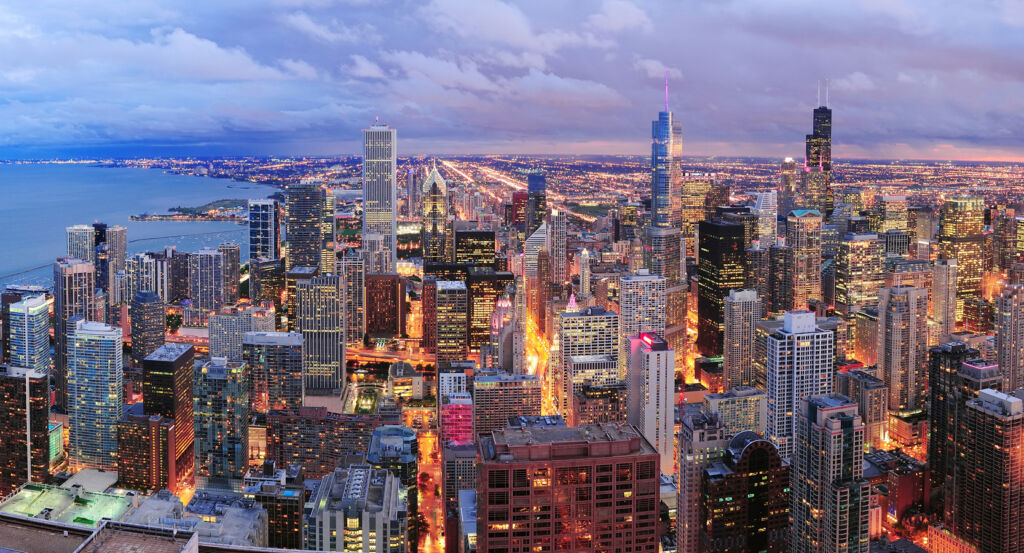
Berwyn Avenue is a spirited corridor where Edgewater's multicultural heritage, residential legacy, neighborhood commerce, and Chicago's North Side character converge along one of the community's defining east-west streets.
Running through Edgewater between Ravenswood Avenue and Lake Michigan, Berwyn Avenue connects historic apartment districts, neighborhood business corridors, cultural institutions, residential blocks, and lakefront communities that collectively reflect more than a century of thoughtful urban development. The corridor reveals how rapid transit, immigration, residential expansion, and sustained commercial investment transformed Chicago's northern edge into one of the city's most culturally diverse neighborhoods. Historic brick apartment buildings, neighborhood storefronts, mature tree canopies, institutional architecture, and carefully maintained streetscapes continue defining the avenue while reinforcing its enduring identity. The result is a corridor distinguished by architectural continuity, cultural vitality, and generations of neighborhood stewardship.
What you should know about Berwyn Avenue.
Berwyn Avenue is best known for developing during Chicago's early twentieth-century North Side expansion following extension of the Northwestern Elevated Railroad to Wilson in 1900 and Howard in 1908, which accelerated residential and commercial growth throughout Edgewater. Construction between the 1910s and the 1930s introduced courtyard apartment buildings, brick flats, neighborhood retail blocks, churches, and schools that established the avenue within one of Chicago's most densely developed residential districts. Expansion of nearby Chicago Rapid Transit Company service, investment in municipal infrastructure, and successive improvements to neighborhood utilities strengthened long-term residential stability while supporting local commerce across the corridor. Streetscape enhancements administered by the Chicago Department of Transportation, together with continued investment in pedestrian infrastructure and neighborhood revitalization, have preserved the avenue's historic street pattern while accommodating contemporary transportation needs. Continued stewardship has maintained Berwyn Avenue as one of Edgewater's most historically representative neighborhood corridors.
Successive immigrant communities from Sweden, Lebanon, Ethiopia, Vietnam, and the Balkans established neighborhood businesses, religious congregations, community organizations, and locally owned enterprises that continually broadened the avenue's cultural character beyond its original residential role. Commercial reinvestment encouraged restoration of early twentieth-century storefronts, modernization of neighborhood utilities, installation of pedestrian lighting, accessibility improvements, and coordinated streetscape enhancements that strengthened the corridor's long-standing business districts while preserving their historic character. Collaborative planning by the Edgewater Chamber of Commerce, the Edgewater Historical Society, the Chicago Department of Transportation, and neighborhood development organizations has sustained investment through business advocacy, preservation initiatives, and public infrastructure improvements that reinforce the avenue's evolving civic role. Together, immigrant entrepreneurship, neighborhood institutions, commercial revitalization, coordinated preservation, infrastructure modernization, and long-term civic stewardship demonstrate how Berwyn Avenue has continually evolved while remaining one of Edgewater's defining community corridors.
How to fold Berwyn Avenue into your trip.
Berwyn Avenue works as an exploration of Edgewater's architectural heritage, cultural diversity, and lakefront character.
Begin at Broadway Armory Park, where grand civic architecture introduces the neighborhood's longstanding public legacy before naturally expanding into the surrounding streets connected by Berwyn Avenue. Continue to Swedish American Museum, where thoughtfully curated exhibitions celebrate one of Edgewater's foundational immigrant communities while deepening appreciation for the neighborhood's cultural evolution before guiding the experience toward its conclusion. Conclude at Foster Beach, where Lake Michigan, restored shoreline landscapes, and expansive waterfront views provide the historical and environmental payoff, illustrating how thoughtful public investment continues shaping Edgewater. The progression moves naturally from civic architecture to cultural heritage before concluding beside one of the North Side's defining lakefront destinations.
Where your story begins.
Foresyte Travel reveals places that feel extraordinary long before you arrive.
Experience premium editorial crafted for luxury travelers.