Why you should experience Blackstone Avenue in Chicago, Illinois.
Blackstone Avenue is an intellectual corridor where Hyde Park's academic legacy, architectural heritage, neighborhood traditions, and Chicago's South Side history converge along one of the community's most distinguished residential streets.
Running through Hyde Park between Washington Park and Jackson Park, Blackstone Avenue connects historic residential blocks, university districts, cultural institutions, neighborhood commercial corridors, and landscaped boulevards that collectively reflect more than 150 years of thoughtful urban development. The corridor reveals how educational leadership, residential planning, landscape design, and civic investment transformed Hyde Park into one of Chicago's most influential neighborhoods. Historic apartment buildings, grand residences, mature tree canopies, institutional architecture, and carefully preserved streetscapes continue defining the avenue while reinforcing its enduring identity. The result is a corridor distinguished by architectural continuity, scholarly tradition, and generations of community stewardship.
What you should know about Blackstone Avenue.
Blackstone Avenue is best known for developing after the Great Chicago Fire of 1871, when Hyde Park experienced rapid residential growth supported by expansion of the Illinois Central Railroad commuter service linking the South Side with Downtown. Annexation of Hyde Park Township by the City of Chicago in 1889, followed by the establishment of the University of Chicago in 1890, accelerated construction of substantial residences, apartment buildings, churches, and educational facilities throughout the corridor between the 1890s and the 1920s. Investment by nationally recognized architects and developers introduced Gothic Revival, Classical Revival, Prairie School, and Tudor Revival architecture whose masonry craftsmanship and landscaped settings continue defining the avenue's historic character. Infrastructure improvements administered by the Chicago Department of Transportation, preservation initiatives, and continued neighborhood investment have maintained the corridor's historic street pattern while supporting evolving transportation, accessibility, and public utility needs. Continued stewardship has preserved Blackstone Avenue as one of Hyde Park's most historically cohesive residential corridors.
Academic leadership, neighborhood organizations, and preservation advocates have strengthened long-term stewardship through historic conservation, community planning, streetscape improvements, and coordinated investment that continue reinforcing the corridor's residential character. Modern utility reconstruction, accessibility enhancements, traffic-calming measures, and restoration of historic parkways demonstrate how public infrastructure has evolved while respecting the avenue's late nineteenth-century urban form. Collaborative planning by the Chicago Department of Transportation, the Hyde Park Historical Society, the Hyde Park-Kenwood Community Conference, and local preservation organizations has balanced modernization with protection of the corridor's architectural legacy across successive generations. Together, the Illinois Central Railroad, the University of Chicago's establishment, Hyde Park's annexation, historic preservation leadership, coordinated infrastructure improvements, and sustained civic stewardship demonstrate how Blackstone Avenue has remained one of Chicago's defining residential corridors.
How to fold Blackstone Avenue into your trip.
Blackstone Avenue works as an exploration of Hyde Park's architectural heritage, academic traditions, and cultural legacy.
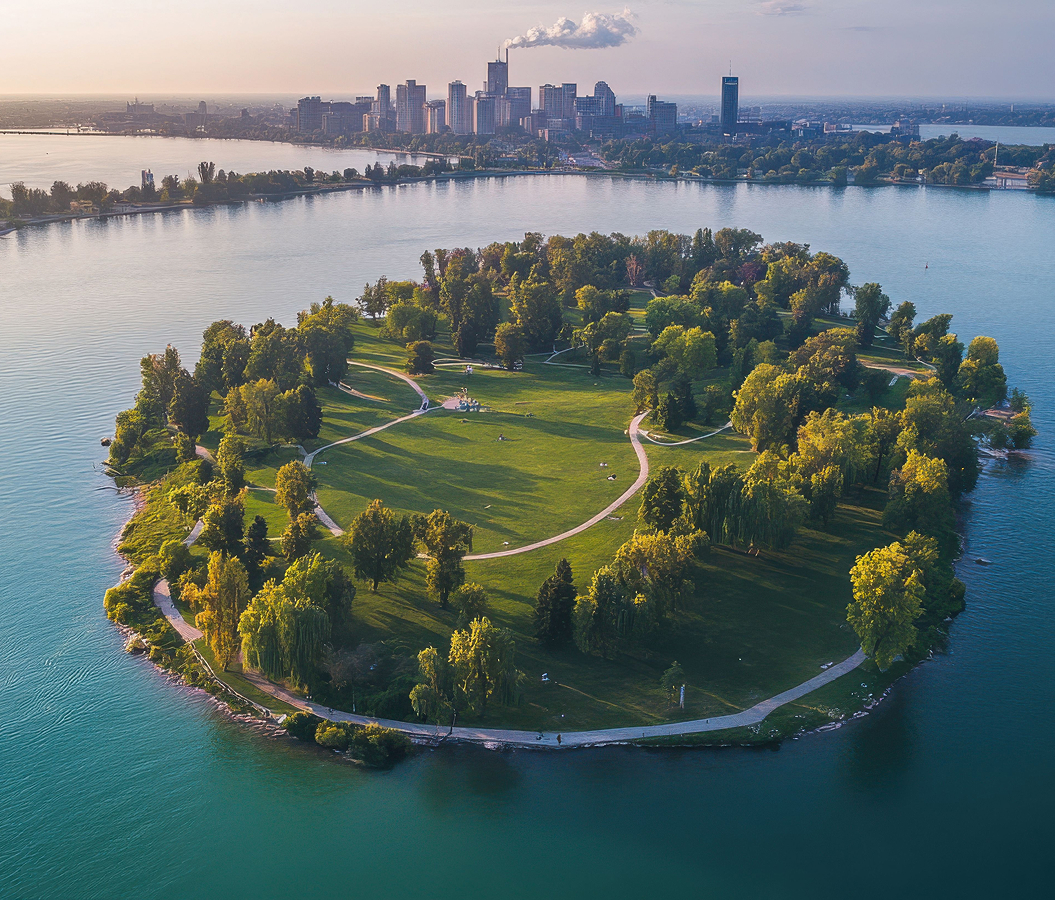
Begin at Robie House, where Frank Lloyd Wright's Prairie School masterpiece introduces the architectural innovation that defines Hyde Park before naturally expanding into the surrounding neighborhood. Continue to Smart Museum of Art, where distinguished collections deepen appreciation for the community's longstanding commitment to scholarship and the arts before guiding the experience toward its conclusion. Conclude at Promontory Point, where masterfully designed lakefront landscapes and sweeping views of Lake Michigan provide the historical and environmental payoff, illustrating how thoughtful planning and public stewardship continue shaping Hyde Park. The progression moves naturally from architectural innovation to artistic discovery before concluding beside one of Chicago's defining waterfront landscapes.
Where your story begins.
Foresyte Travel reveals places that feel extraordinary long before you arrive.
Experience premium editorial crafted for luxury travelers.