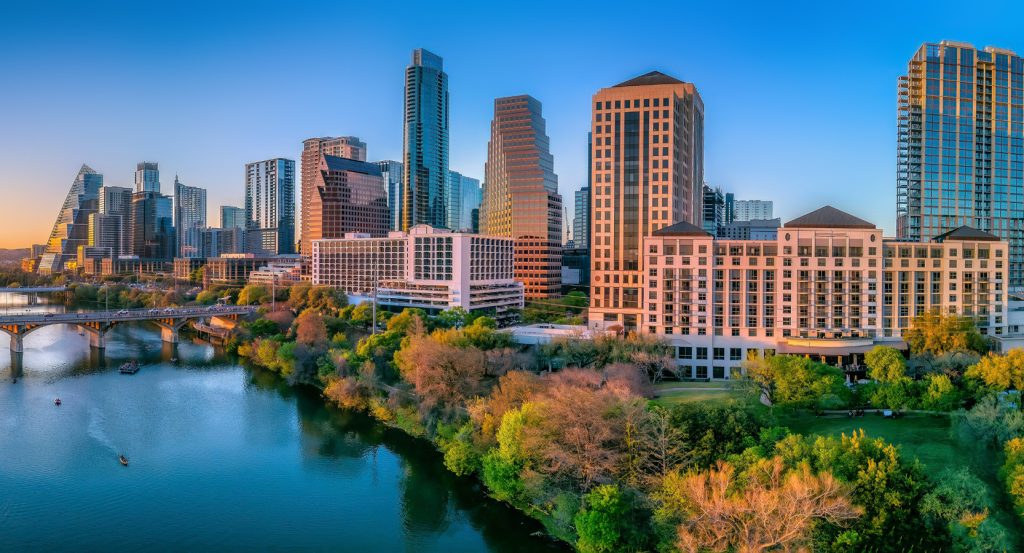
Why you should experience Brodie Lane in Austin, Texas.
Brodie Lane is a spirited corridor where Shady Hollow's established neighborhoods, Hill Country landscapes, community tradition, and enduring South Austin character create one of the area's defining thoroughfares.
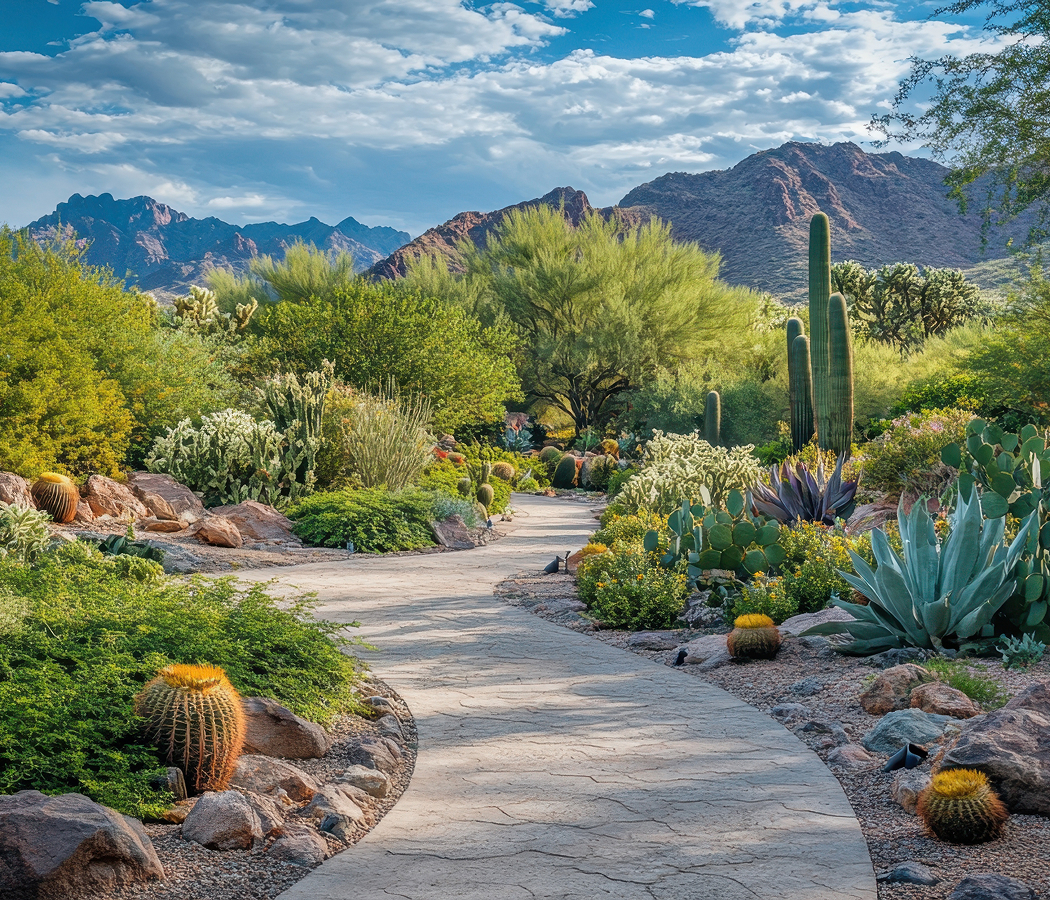
Running through Shady Hollow between Maple Run and Bauerle Ranch, the corridor connects long-established residential communities, neighborhood businesses, parkland, and rolling limestone terrain that reflects South Austin's steady expansion toward the Texas Hill Country. Mature live oaks, broad greenbelts, limestone outcrops, and locally owned gathering places create a landscape where suburban growth remains closely connected to the surrounding environment. Decades of carefully managed development have strengthened the corridor while preserving its abundant tree canopy and neighborhood identity. The result is an experience defined by community continuity, natural beauty, and one of Shady Hollow's most recognizable corridors.
What you should know about Brodie Lane.
Brodie Lane is best known for evolving from a historic rural roadway serving southern Travis County into one of South Austin's principal north-south corridors as former ranchland gave way to residential development throughout the 1970s, 1980s, and 1990s. The roadway derives its name from the Brodie family, early settlers whose agricultural holdings formed part of the nineteenth-century landscape long before suburban expansion reshaped the surrounding countryside. The corridor traverses terrain underlain by the Edwards Limestone and Glen Rose Formation, geological units deposited during the Cretaceous Period that produced the rolling hills, shallow calcareous soils, and limestone outcrops characteristic of Austin's southern Hill Country. Residential communities surrounding the corridor developed with substantial native tree preservation, resulting in mature stands of plateau live oak, cedar elm, Ashe juniper, Texas persimmon, Mexican buckeye, mountain laurel, and agarita that continue supporting white-tailed deer, armadillos, foxes, migratory birds, and native pollinator species. Nearby Slaughter Creek and its associated watershed remain integral environmental resources supporting riparian woodland, seasonal wildflowers, and regional biodiversity across southern Travis County. Collectively, the corridor's pioneer history, geological foundations, ecological diversity, watershed significance, and late twentieth-century residential evolution establish Brodie Lane as one of South Austin's defining corridors.
The surrounding landscape contributes directly to the Edwards Aquifer Recharge Zone, where fractured limestone, sinkholes, and permeable soils allow rainfall to replenish one of Central Texas' most important groundwater systems. Archaeological investigations throughout the Slaughter Creek basin have documented prehistoric campsites, lithic scatters, and stone tools that demonstrate thousands of years of Indigenous occupation across this portion of the Colorado River watershed before European settlement. Community organizations throughout Shady Hollow have supported neighborhood stewardship, native landscaping initiatives, and preservation of the area's mature urban forest, reinforcing the environmental character that continues distinguishing the corridor today. Together, these hydrological systems, archaeological discoveries, and longstanding civic initiatives demonstrate how Brodie Lane reflects a corridor where natural history, environmental stewardship, and community continuity remain deeply interconnected.
How to fold Brodie Lane into your trip.
Brodie Lane works as an exploration of South Austin's Hill Country landscapes, neighborhood parks, and native ecosystems.
Begin at Mary Moore Searight Metropolitan Park, where wooded trails, open meadows, mature oak groves, and wildlife habitat introduce the natural landscape that has long defined the communities surrounding Brodie Lane. Continue to Bauerle Ranch Park, where preserved woodland, limestone trails, native prairie, and quiet creek crossings deepen the experience while revealing the ecological character that distinguishes this section of South Austin. Conclude at Lady Bird Johnson Wildflower Center, where nationally renowned native plant collections, conservation gardens, and botanical research provide the historical payoff by celebrating the landscapes and ecosystems that have shaped Central Texas for millennia. The progression moves naturally from metropolitan parkland to preserved woodland before culminating in one of Texas' foremost institutions dedicated to native ecology and conservation.
Where your story begins.
Foresyte Travel reveals places that feel extraordinary long before you arrive.
Experience premium editorial crafted for luxury travelers.