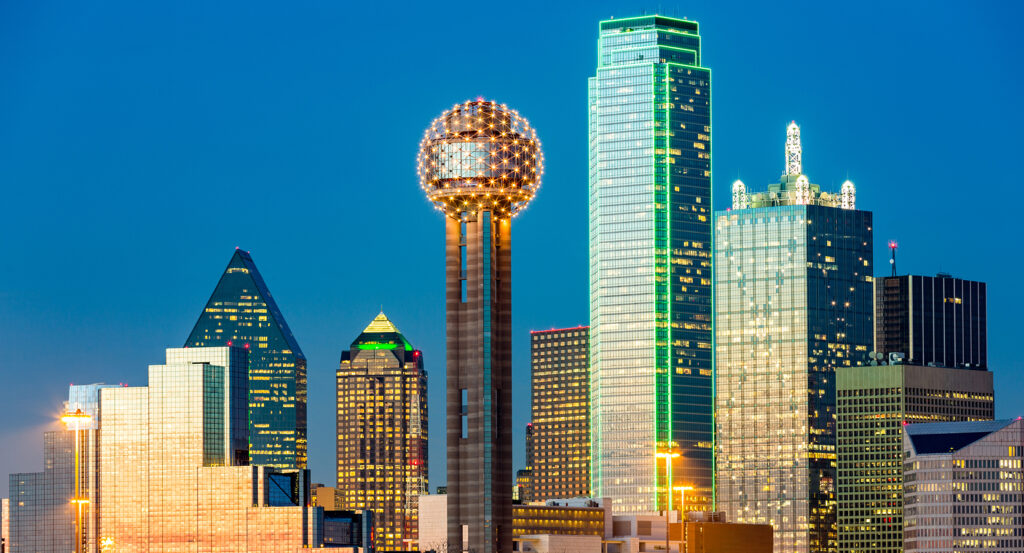
Why you should experience Canvas Hotel in Dallas, Texas.
Canvas Hotel is where thoughtful design, creative energy, and authentic urban ease converge, a stay that feels both grounded in everyday life and expressive in its identity, offering a uniquely Dallas experience that isn't about performance but about presence.
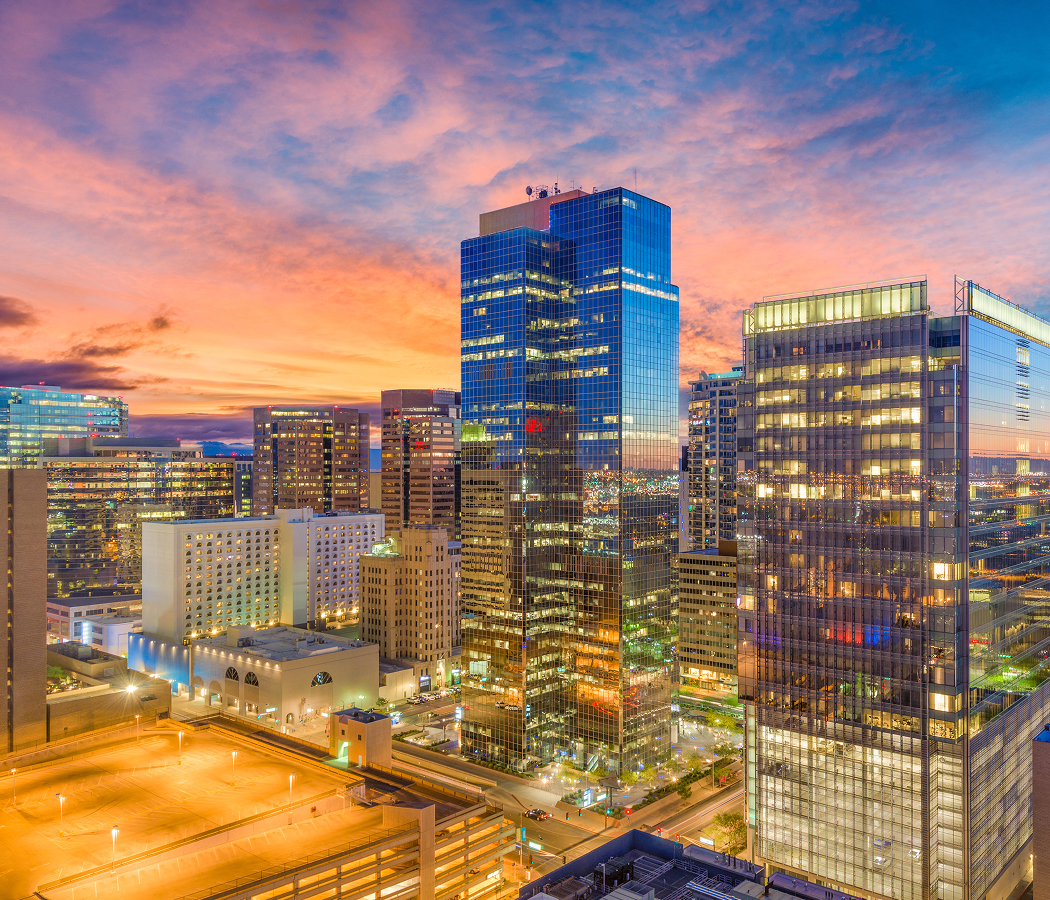
Located within the energetic East Quarter district of Dallas, Canvas Hotel sits in a neighborhood defined by local bakeries, independent cafés, creative studios, and walkable streets that feel lived-in. Arrival here feels direct and unpretentious: the façade blends with the surrounding streetscape, signaling a place that belongs to its block. Step inside and the atmosphere shifts into spaces that feel animated without panic, where design supports use and conversation rather than performance. Interiors emphasize clarity and texture, leaning into materials and lighting that feel familiar yet thoughtfully composed. Public spaces are welcoming without being loud: seating clusters arranged for conversation, ambient light that suggests calm rather than glare, circulation that feels intuitive rather than forced. There's a sense of being here. Guest rooms carry forward this logic into private space. Expect beds dressed in crisp, high-quality linens designed for rest that actually feels restorative. Furnishings feel contemporary but warm, chosen for comfort and durability. Suites are laid out with clear intention, functional zones that make real living easy: quiet sleeping corners, useful work surfaces, spaces for gathering or pause. Windows frame views of neighborhood activity, treetops, or nearby urban perspectives, grounding your stay in the city's rhythm. Bathrooms are well-proportioned and thoughtfully detailed: fixtures that feel solid, lighting that makes daily rituals easy rather than harsh, and finishes that balance physical warmth with modern ease. What defines Canvas Hotel is its authentic, unforced character. Public spaces, from the lobby to lounges to the café, feel alive. The breakfast and dining experiences emphasize genuine nourishment over performance, with menus shaped by clear flavors and neighborhood sensibility. The café becomes a place to start the day with locals rather than a staged “hotel breakfast room”: noise, laughter, the clink of cups, and conversation feel natural instead of choreographed. Service here is approachable, attentive, and genuinely helpful. Staff offer recommendations rooted in local knowledge, which streets are best walked in morning light, where to find the neighbor-approved pastry, how to hop transit for a gallery or shop. Step outside and Dallas's textured life is right there: walkable blocks filled with creative energy, neighborhood spots that reward slow discovery, and transit options that make accessing Deep Ellum, Uptown, the Arts District, or downtown corridors straightforward. Canvas Hotel is ideal for travelers who want Dallas to feel connected, grounded, and truly experienced as a city rather than simply visited, a stay that privileges authenticity and ease over flash.
What you should know about Canvas Hotel.
Canvas Hotel sits in Dallas's East Quarter, a district shaped by an organic blend of local life, creative ambition, and adaptive urban growth rather than isolated commercial planning, making it a place where the city's everyday beat is palpable.
The East Quarter did not emerge as a sealed tourism node or a detached business campus. Instead, it evolved through the cumulative presence of residents, small businesses, designers, and independent entrepreneurs who shaped streets, storefronts, and movement through use. In this way, the neighborhood retains a lived identity: sidewalks are routes to local errands or meet-ups, façades suggest variety rather than uniform branding, and walkways invite exploration. Canvas Hotel's placement within this context matters because it engages that urban logic. Its architecture and spatial rhythm were not designed to dominate the block, but to participate in it. Inside, spatial organization reflects this heritage. Public spaces are arranged for multiple modes of use, reading, conversation, planning, rest, without isolating these modes into rigid compartments. Circulation is intuitive. Sightlines are maintained rather than broken, encouraging movement that feels natural rather than forced. Materials feel durable and tactile rather than overly decorative: surfaces absorb light softly, upholstery invites use without reservation, and ambient lighting supports presence without glare. Another lesser-known aspect of the East Quarter's evolution is how strongly connectivity and human movement were considered in its planning. Sidewalks were preserved as primary spaces, pedestrian crossings were maintained with continuity, and transitions between blocks were designed to feel smooth. Canvas Hotel inherits this logic. The hotel's lobby does not overwhelm with scale; instead, it frames movement through light, proportion, and physical ease. Public seating areas feel like thoughtfully composed rooms. Even details like how work surfaces and lounges are placed reflect an understanding of how people actually behave in urban hospitality spaces: seeking calm, interaction, flexibility, and presence. Bathrooms throughout the hotel also reflect this grounded design temperament. Fixtures are reliable and thoughtfully selected, lighting is calibrated for daily ease rather than visual punch, and surfaces balance warmth with resilience. This extends the philosophy that comfort is sustained through use, not imposed through performance. Staying here places you in a part of Dallas that feels alive at your pace, where neighborhoods feel like living systems.
How to fold Canvas Hotel into your trip.
Canvas Hotel works best when you let neighborhood texture, presence, and daily movement shape your exploration.
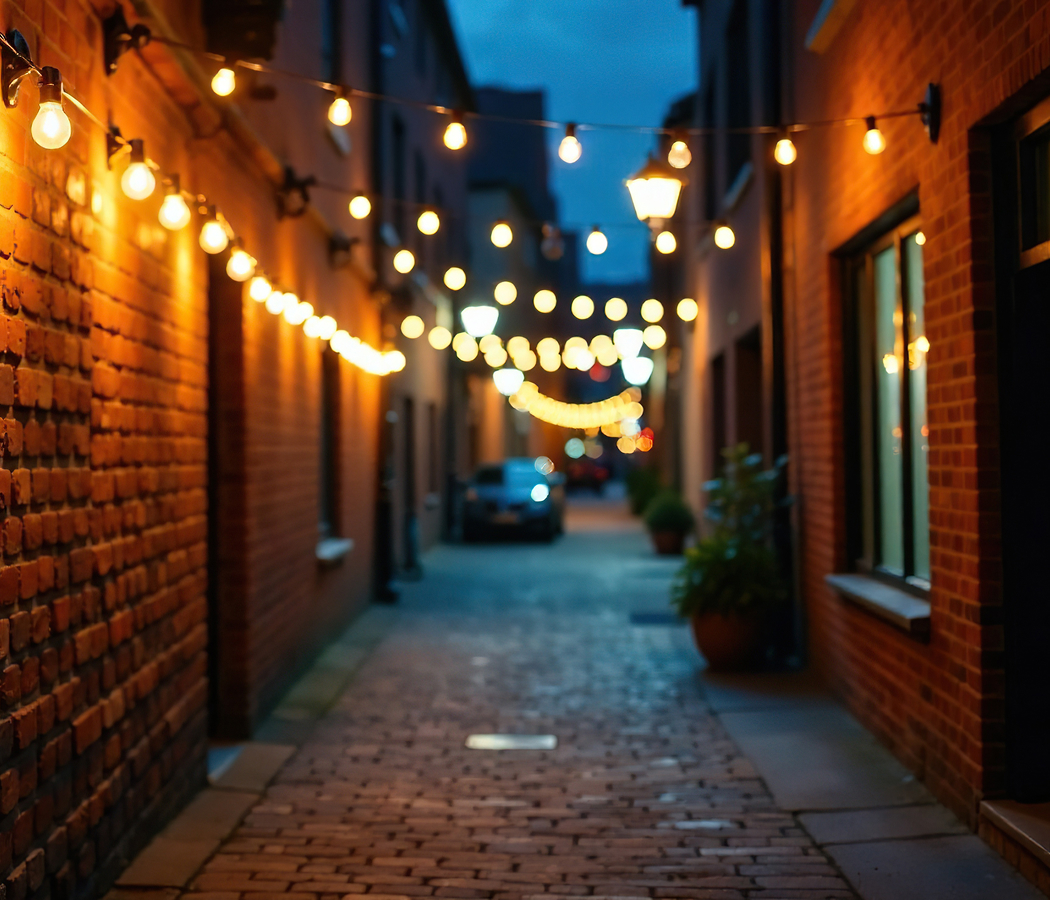
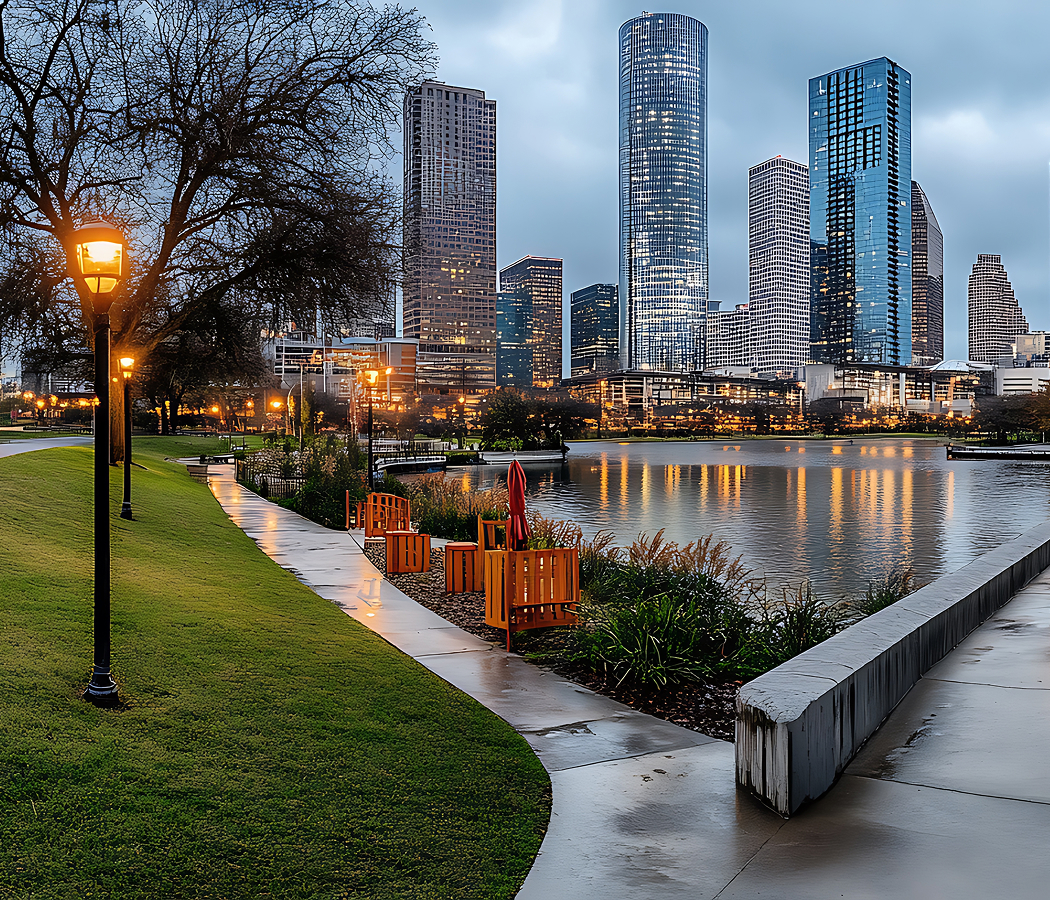
Begin your mornings with coffee at the hotel's café or a local spot around the corner where residents gather, notice how light and early movement frame facades and street life. Walk a few blocks with no fixed destination in mind, letting your curiosity guide you toward tree-lined streets, small galleries, independent bakeries, or café patios where real conversations happen. Late mornings are ideal for exploring broader districts. Head toward Deep Ellum's creative murals and music heritage, or take transit toward Uptown's culinary corridors and boutiques. Notice how each neighborhood differs not only in attractions but in feeling and pace. Return to Canvas Hotel midday for a pause that feels restorative. Use lounges to read, talk, or simply observe light shifting across surfaces. This is not “downtime”, it's part of the experience that shapes how you live through place. In the afternoon, branch outward again. Whether you choose parks by the waterfront, independent shops, or design-forward galleries, let your route be shaped by proximity and instinct. As evening approaches, let dinner unfold effortlessly. Choose a neighborhood table chosen by instinct. Dallas's food scene rewards curiosity, texture, and mood just as much as formal reputation. After dinner, take a slow walk back through softly lit streets where shadows play across architectural edges and presence feels calm. Returning to Canvas Hotel at night feels like stepping into continuity. On your final morning, linger, one more coffee, one more slow step through streets now familiar.
Where your story begins.
Foresyte Travel reveals places that feel extraordinary long before you arrive.
Experience premium editorial crafted for luxury travelers.