Why you should experience Capitol Avenue in Dallas, Texas.
Capitol Avenue is a graceful corridor where State Thomas' architectural heritage, residential elegance, urban revival, and neighborhood continuity create one of Dallas' most distinctive streets.
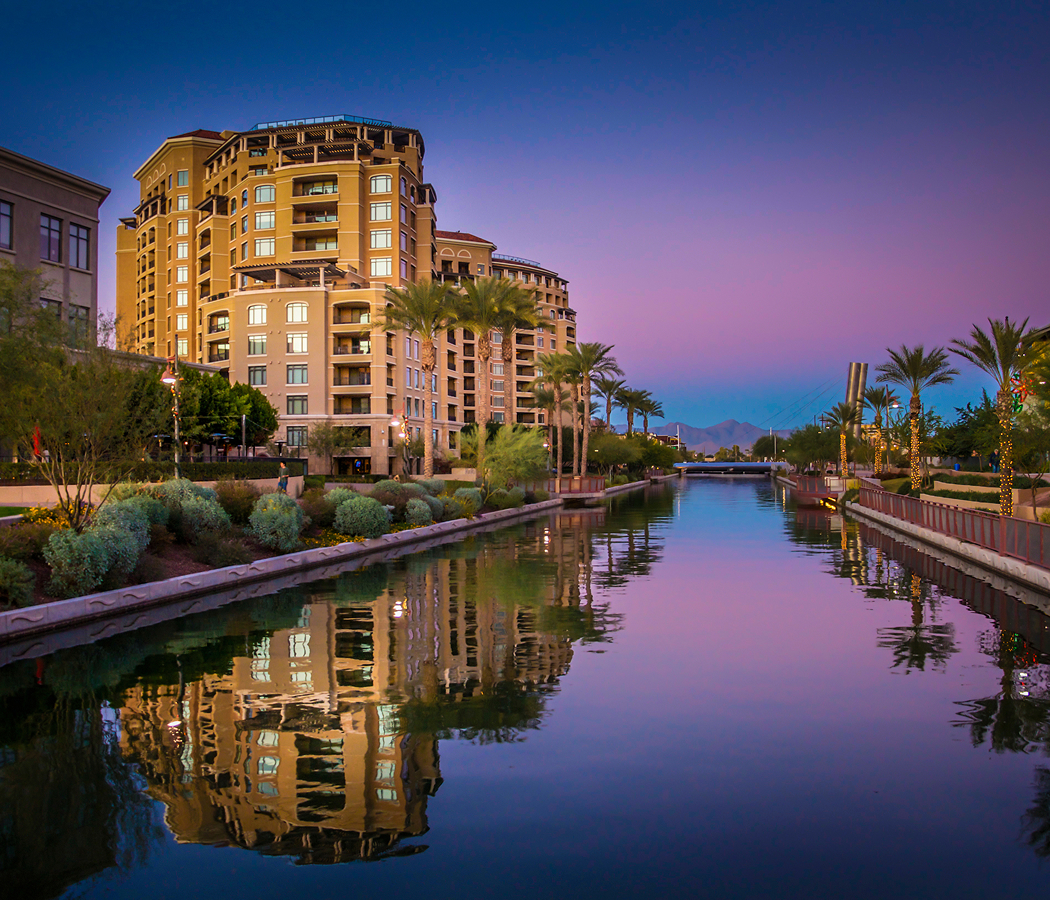
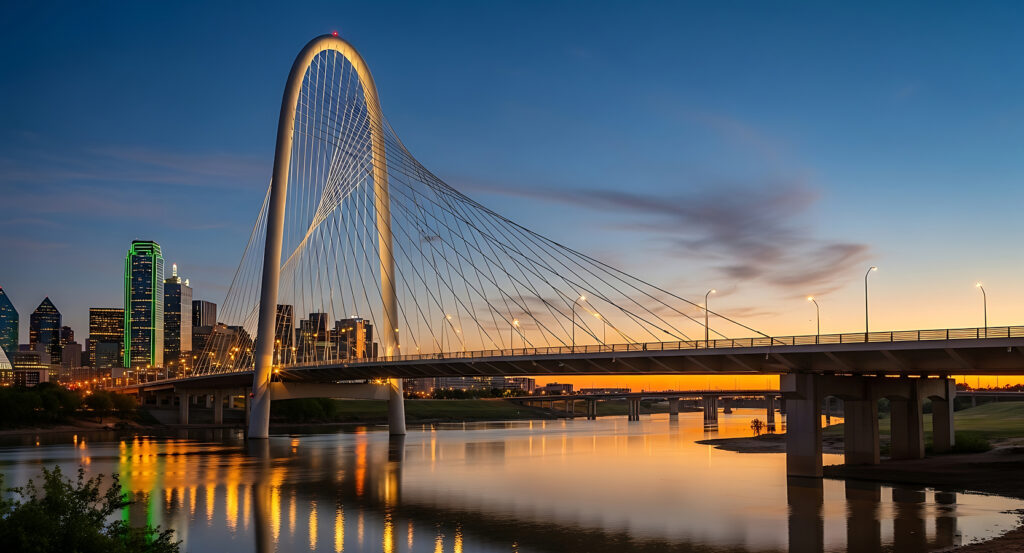
Running through State Thomas between Uptown and Downtown, the avenue connects preserved nineteenth-century residences, contemporary townhomes, landscaped public spaces, and walkable neighborhood blocks that reflect more than a century of continual evolution. Each successive block reveals restored brick houses, mature live oaks, decorative iron fencing, tree-lined sidewalks, and thoughtfully integrated infill architecture that reinforce the avenue's unmistakable historic identity. The defining moment arrives as Capitol Avenue demonstrates how preservation, architectural craftsmanship, and sensitive reinvestment continue shaping one of Dallas' most celebrated urban neighborhoods. The result is an experience defined by architectural refinement, neighborhood continuity, and one of State Thomas' most rewarding corridors.
What you should know about Capitol Avenue.
Capitol Avenue is best known for developing within State Thomas, among Dallas' oldest surviving residential neighborhoods, whose principal growth occurred during the 1880s, 1890s, and early twentieth century as the city expanded north from its original downtown core. Residential construction introduced Queen Anne, Victorian, Classical Revival, and Craftsman homes featuring load-bearing brick masonry, wood clapboard siding, decorative gables, wraparound porches, ornamental millwork, stone foundations, and original double-hung wood windows that continue defining the corridor's architectural identity. The avenue became part of the State Thomas Historic District, listed on the National Register of Historic Places in 1986, preserving one of Dallas' last intact collections of nineteenth-century urban residences while guiding compatible redevelopment throughout the neighborhood. Brick sidewalks, narrow residential lots, mature tree canopies, preserved alley patterns, and carefully scaled infill development maintain the historic streetscape established during the district's formative decades while reinforcing Capitol Avenue's cohesive urban character. Continued investment has restored historic residences while introducing architecturally compatible townhomes and neighborhood amenities that respect the avenue's original scale and historic fabric. Collectively, the corridor's nineteenth-century origins, architectural craftsmanship, preservation achievements, and sustained neighborhood stewardship established Capitol Avenue as one of State Thomas' defining historic corridors.
Preservation Dallas continues documenting architecturally significant buildings, supporting restoration projects, and advocating for the conservation of historic neighborhoods that reinforce Capitol Avenue's enduring identity. The State Thomas Neighborhood Association promotes neighborhood stewardship, community engagement, and preservation initiatives that strengthen appreciation for the district's historic streetscape while encouraging long-term investment. Native live oaks, cedar elms, magnolias, ornamental shrubs, perennial gardens, decorative brick paving, and carefully maintained planting beds create a mature landscape that complements the surrounding historic residences while preserving the corridor's distinctive visual rhythm. Together, these preservation organizations, neighborhood initiatives, and enduring landscape traditions demonstrate how Capitol Avenue continues retaining its historic character through sustained community stewardship and thoughtful conservation.
How to fold Capitol Avenue into your trip.
Capitol Avenue works as a walk through Dallas' architectural and neighborhood history.
Begin at Griggs Park, where mature landscapes and neighborhood gathering spaces establish the historical setting surrounding Capitol Avenue while naturally introducing the character of State Thomas. Continue to M-Line Trolley, where beautifully restored heritage streetcars deepen appreciation for the neighborhood's longstanding relationship with Central Dallas before guiding the experience toward its historical conclusion. Conclude at Dallas Museum of Art, where internationally significant collections and distinguished architecture provide the historical payoff by illustrating the cultural institutions that flourished alongside Dallas' urban growth. The progression moves naturally from preserved neighborhood landscapes to transportation heritage before culminating in one of the city's foremost cultural destinations.
Where your story begins.
Foresyte Travel reveals places that feel extraordinary long before you arrive.
Experience premium editorial crafted for luxury travelers.