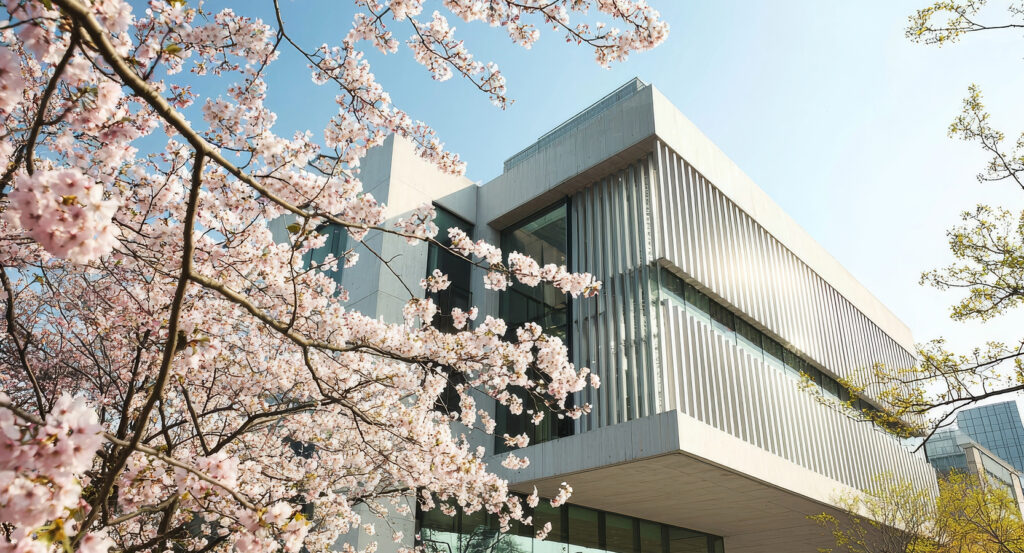
Why you should experience Caroline Wiess Law Building at the Museum of Fine Arts in Houston, Texas.
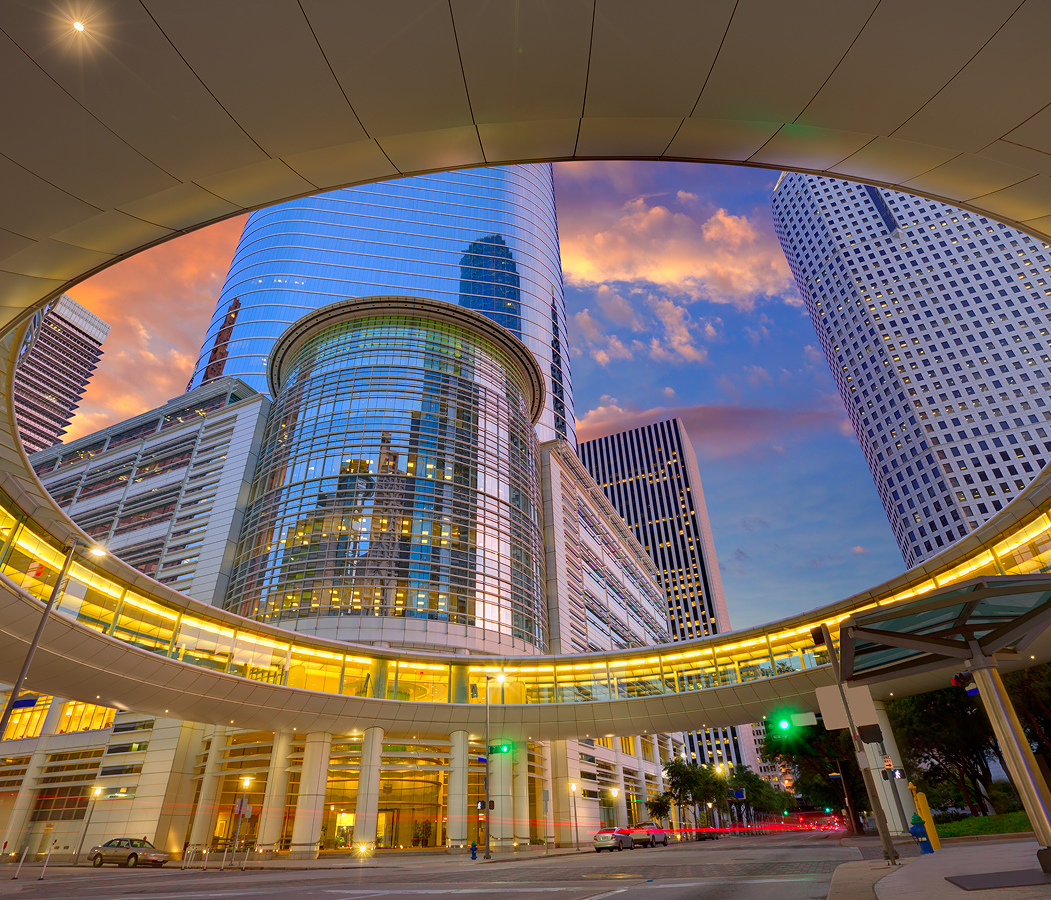
The Caroline Wiess Law Building is the beating heart of the Museum of Fine Arts (MFAH), where art, light, and architecture merge into a seamless meditation on creativity.
Designed by Ludwig Mies van der Rohe and expanded by Rafael Moneo, this structure captures modernist elegance: clean lines, glass walls, and open galleries that feel both intimate and infinite. As you step through its airy lobby, the building reveals a world of masterworks, from the bold colors of Abstract Expressionism to the meditative calm of Japanese art and the intricate narratives of early American paintings. Every corridor opens into a surprise: a Rothko glowing in solitude, a pre-Columbian sculpture commanding quiet reverence, a Calder mobile floating like music overhead. The Law Building isn't just a vessel for art; it's part of the art itself, a space that changes with every step, every shift in light, every moment of stillness.
What you should know about Caroline Wiess Law Building at the Museum of Fine Arts.
The Caroline Wiess Law Building represents the foundation of the MFAH's evolution, the original anchor of a museum that has since expanded into one of the most dynamic cultural campuses in the nation.
Completed in 1958 and expanded in 2000, the building reflects Houston's commitment to modernism and its faith in art as civic infrastructure. Mies van der Rohe's signature glass-and-steel aesthetic set a new standard for museum design in America, transparent, democratic, and filled with natural light. The later expansion by Spanish architect Rafael Moneo deepened that vision, adding galleries that now house the museum's exceptional 20th-century and contemporary collections. Hidden within its walls are treasures that shaped the character of the MFAH: Warhol's portraits, Lichtenstein's pop explosions, and the museum's formidable Latin American holdings. The building also contains the Café Leonelli, a nod to Houston's culinary and artistic fusion, and it directly connects via the Wilson Tunnel, a neon-lit passageway designed by artist Carlos Cruz-Diez that links it to the Beck Building, transforming a simple walkway into an immersive experience of color and perception.
How to fold Caroline Wiess Law Building at the Museum of Fine Arts into your trip.
Begin your Museum of Fine Arts visit at the Caroline Wiess Law Building to orient yourself within the museum's historical and architectural roots.
Arrive early to wander the lower-level galleries, where Mies's clean geometry and the soft hum of visitors create an atmosphere of quiet awe. Take time to explore the mid-century and postwar collections, the expressive strokes of Pollock and de Kooning contrast beautifully with the restrained minimalism of Agnes Martin and Donald Judd. Then, step into the Wilson Tunnel to experience the transition into light and color before emerging in the Beck Building or the Kinder Building, depending on your path. When you return, pause for a coffee at Café Leonelli and take in the blend of glass, shadow, and sculpture in the courtyard. Folding the Caroline Wiess Law Building into your MFAH experience isn't just about visiting another wing, it's about standing inside a masterpiece of modern architecture that reflects how art and structure can speak the same, timeless language.
Where your story begins.
Foresyte Travel reveals places that feel extraordinary long before you arrive.
Experience premium editorial crafted for luxury travelers.