Why Chinatown matters.
Chinatown in Honolulu is a mirror of culture, color, and contrast, a neighborhood where old Hawaii, Asian heritage, and modern creativity collide in one of the city's most dynamic districts.
Stretching across the northwestern edge of downtown, this historic enclave feels like a living organism, in motion yet rooted in tradition. Its narrow streets pulse with life: market vendors shouting prices over crates of lychees and mangos, the scent of roasted duck mingling with incense, and the hum of chatter spilling from dim sum parlors, art galleries, and jazz bars. Chinatown isn't just a district; it's a physical odyssey, where each corner tells a different story. By day, it's a thriving hub of trade and heritage, and by night, it transforms into a playground of creativity, alive with neon and music. Behind the lanterns and murals, though, lies something deeper, the tale of a community that has endured fires, wars, and waves of migration to emerge as one of Honolulu's most authentic expressions of multicultural identity. Walking through it, you feel the heartbeat of the city, raw, rhythmic, and entirely its own.
What defines Chinatown, Honolulu.
Few visitors realize that Honolulu's Chinatown is among the oldest in the United States, born from resilience and rebirth.
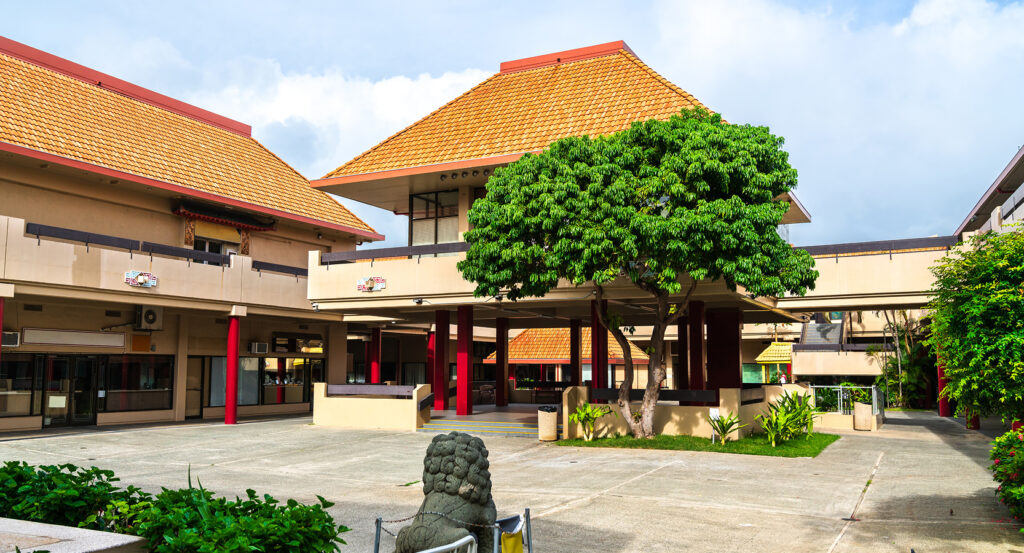
Chinese immigrants first settled here in the 1800s, drawn by the promise of plantation work and trade opportunities. The district quickly flourished, evolving into a commercial and cultural hub. But its history wasn't without struggle, two devastating fires in 1886 and 1900 nearly erased the neighborhood, the latter set intentionally to control a bubonic plague outbreak. Against all odds, Chinatown rebuilt itself, brick by brick, rising from the ashes with a blend of Chinese, Japanese, Filipino, Portuguese, and Hawaiian influences that continue to define it today. The red-brick buildings you see now, like the historic Oahu Market and the Wo Fat Building, are survivors of that rebirth, standing as testaments to both endurance and evolution. Over time, the area became a gathering place for artists, chefs, and dreamers, turning its heritage architecture into galleries, lofts, and bistros. Street art blossomed alongside temples, adding new layers of expression. The Maunakea Marketplace anchors the traditional side, overflowing with herbal medicines, seafood stalls, and produce that fuels the neighborhood's kitchens. Meanwhile, Nuuanu Avenue and Hotel Street showcase Chinatown's nightlife, speakeasies hidden behind unmarked doors, rooftop cocktail lounges, and live-music venues that blend island rhythm with urban flair. Beneath it all, the old and new coexist seamlessly, creating a district that honors its past while always reinventing its future.
How Chinatown, Honolulu fits.
Exploring Chinatown in Honolulu is less about sightseeing and more about feeling, letting your senses lead the way.
Start the visit in the morning at the Oahu Market or Maunakea Marketplace, where you can sample fresh poke, baked manapua, or exotic fruits like rambutan and dragon fruit. From there, stroll through the labyrinth of streets lined with lei stands, where fragrant garlands of plumeria and orchids are strung by hand, and pop into the many apothecaries and curio shops tucked between them. Pause at the Kuan Yin Temple, where worshippers light incense before serene golden statues, a quiet counterpoint to the bustle outside. In the afternoon, explore Chinatown's creative side: art galleries such as ARS Café and The Arts at Marks Garage showcase the local scene, often transforming the district into an open-air festival during First Fridays, when music and exhibits spill onto the streets. As evening falls, Chinatown reveals its alter ego. Grab dinner at one of the district's fusion restaurants, where chefs weave together Asian and island flavors with bold imagination, then slip into one of its renowned bars, like Manifest or Bar Leather Apron, for world-class cocktails and live jazz. The neighborhood glows under red lanterns and string lights, a scene both cinematic and intimate. To understand Honolulu beyond its beaches, you have to walk these streets, to hear the languages mingling, to taste the heritage in every bite, to see the layers of time coexisting in real color. Chinatown isn't just another stop on the map; it's the living soul of Honolulu, where history hums, creativity thrives, and the city's heartbeat never stops.
Where your story begins.
Foresyte Travel reveals places that feel extraordinary long before you arrive.
Enjoy editorial crafted for luxury travelers.
Foresyte may earn a commission when you book.