Why City Park Road matters.
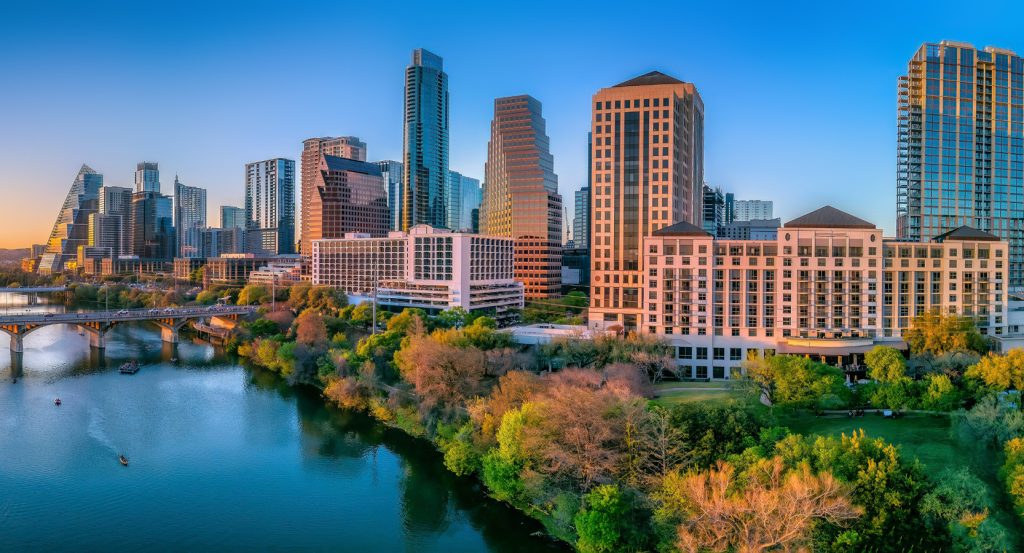
City Park Road is a scenic corridor where City Park's Hill Country landscapes, Colorado River canyons, outdoor recreation, and environmental heritage create one of West Austin's most memorable drives.
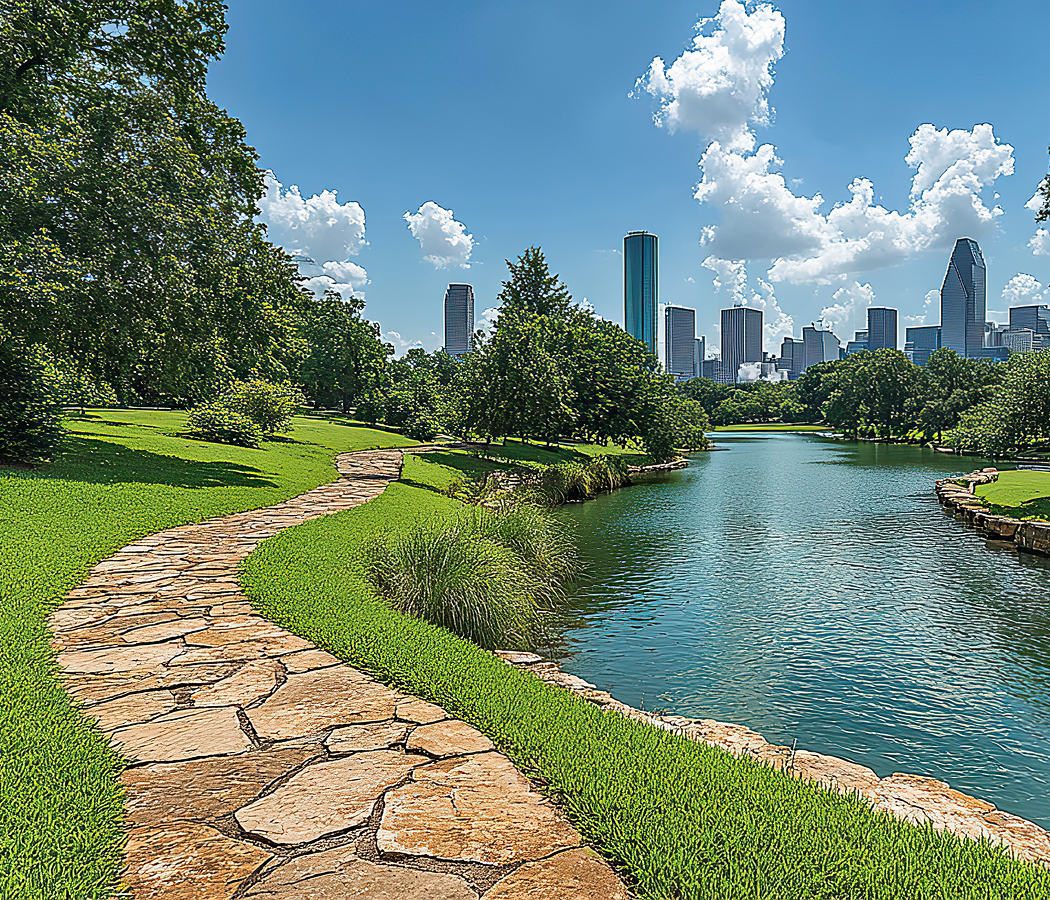
Running through City Park between Courtyard and Glenlake, the corridor winds across rugged limestone hills, heavily wooded slopes, and elevated overlooks that reveal the dramatic topography defining Austin's western edge. Dense stands of Ashe juniper, plateau live oak, cedar elm, and Texas persimmon frame sweeping canyon views while gently curving roadways follow terrain shaped over millions of years by water and exposed limestone. The surrounding landscape retains an uncommon balance between protected natural habitat and established residential communities. The result is an experience defined by scenic beauty, ecological richness, and one of City Park's defining corridors.
What defines City Park Road.
City Park Road is best known for providing access to Emma Long Metropolitan Park, Austin's oldest metropolitan park, originally established in 1945 as City Park before being renamed in 1978 to honor former Austin Mayor Emma Long, the first woman elected to the Austin City Council and one of the city's most influential civic leaders. The corridor traverses terrain belonging to the Edwards Plateau, where uplifted Cretaceous limestone created steep canyons, exposed cliffs, karst formations, and thin calcareous soils that support one of Central Texas' most distinctive ecological landscapes. Nearby Lake Austin, formed following completion of Mansfield Dam in 1940 by the Lower Colorado River Authority, transformed the Colorado River into a stable reservoir that reshaped recreation, flood management, and residential development throughout West Austin. The surrounding woodland supports mature stands of plateau live oak, Ashe juniper, cedar elm, Texas madrone, Mexican buckeye, agarita, and evergreen sumac while providing habitat for white-tailed deer, foxes, armadillos, golden-cheeked warblers, and numerous native pollinator species characteristic of the eastern Texas Hill Country. Collectively, the corridor's civic history, geological evolution, reservoir development, ecological diversity, and enduring recreational significance establish City Park Road as one of West Austin's defining corridors.
The nearby Balcones Canyonlands Preserve, created during the 1990s, protects thousands of acres of endangered species habitat while conserving some of the region's most biologically significant Hill Country ecosystems. Extensive karst aquifers, sinkholes, caves, and fractured limestone beneath the surrounding hills contribute directly to groundwater recharge within the Edwards Aquifer system, making the landscape environmentally significant far beyond Austin itself. Archaeological evidence indicates Indigenous peoples occupied portions of the Colorado River corridor for thousands of years before European settlement, leaving stone tools, campsites, and cultural deposits that continue informing Central Texas archaeology. Together, these conservation initiatives, geological systems, and archaeological resources demonstrate how City Park Road reflects a corridor where natural history, environmental stewardship, and human occupation have remained closely intertwined for millennia.
How City Park Road fits.
City Park Road works as an exploration of West Austin's Hill Country landscapes, riverside recreation, and panoramic scenery.
Begin at Emma Long Metropolitan Park, where wooded trails, limestone bluffs, shoreline access, and one of Austin's oldest metropolitan parks introduce the natural character that has long distinguished this section of the Colorado River. Continue to Commons Ford Ranch Metropolitan Park, where open prairie, riverside meadows, mature oak groves, and broad views across Lake Austin deepen the experience while revealing another dimension of the region's preserved landscape. Conclude at Mount Bonnell, where one of Austin's highest publicly accessible overlooks provides the historical payoff through sweeping views across Lake Austin, the Colorado River valley, and the surrounding Hill Country that has shaped the city's western frontier since the nineteenth century. The progression moves naturally from riverside woodland to protected open space before culminating at one of Austin's most celebrated scenic overlooks.
Where your story begins.
Foresyte Travel reveals places that feel extraordinary long before you arrive.
Enjoy editorial crafted for luxury travelers.
Foresyte may earn a commission when you book.