Why Continental Avenue matters.
Continental Avenue is a historic West Dallas corridor where engineering achievement, urban renewal, and skyline grandeur converge along one of Dallas' most celebrated civic gateways.
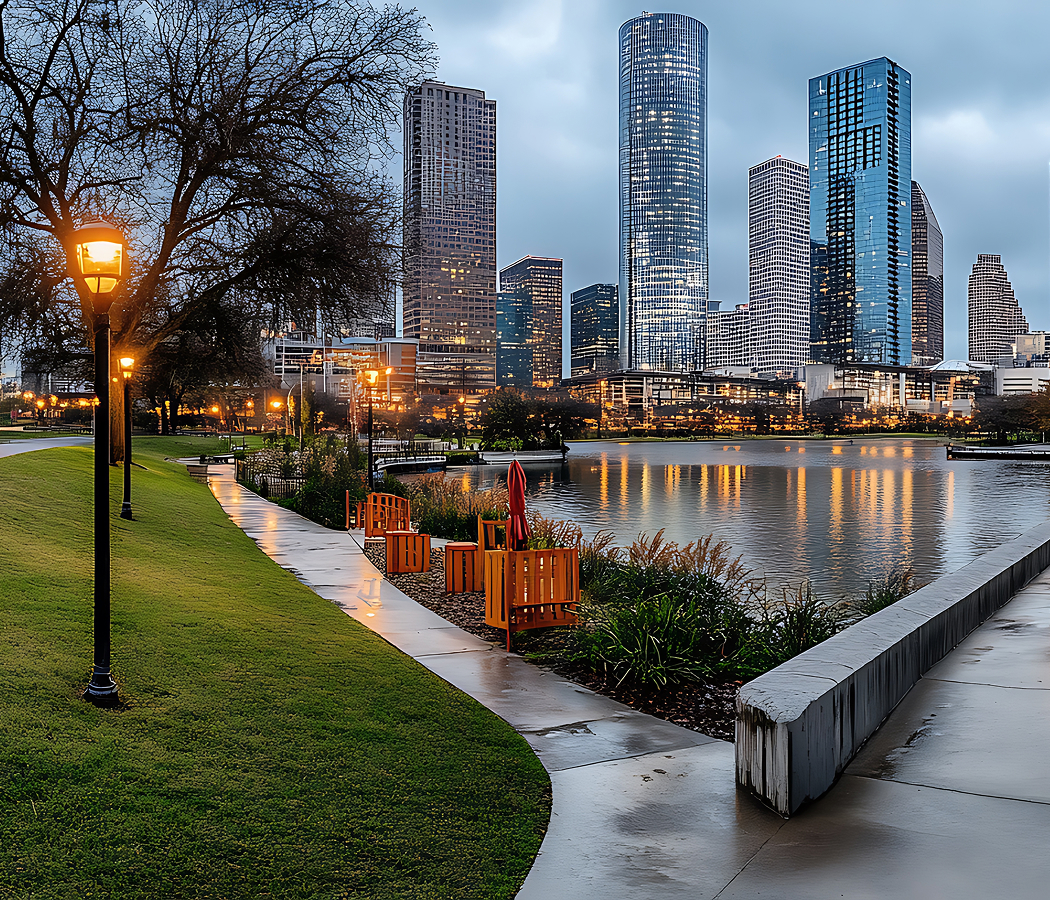
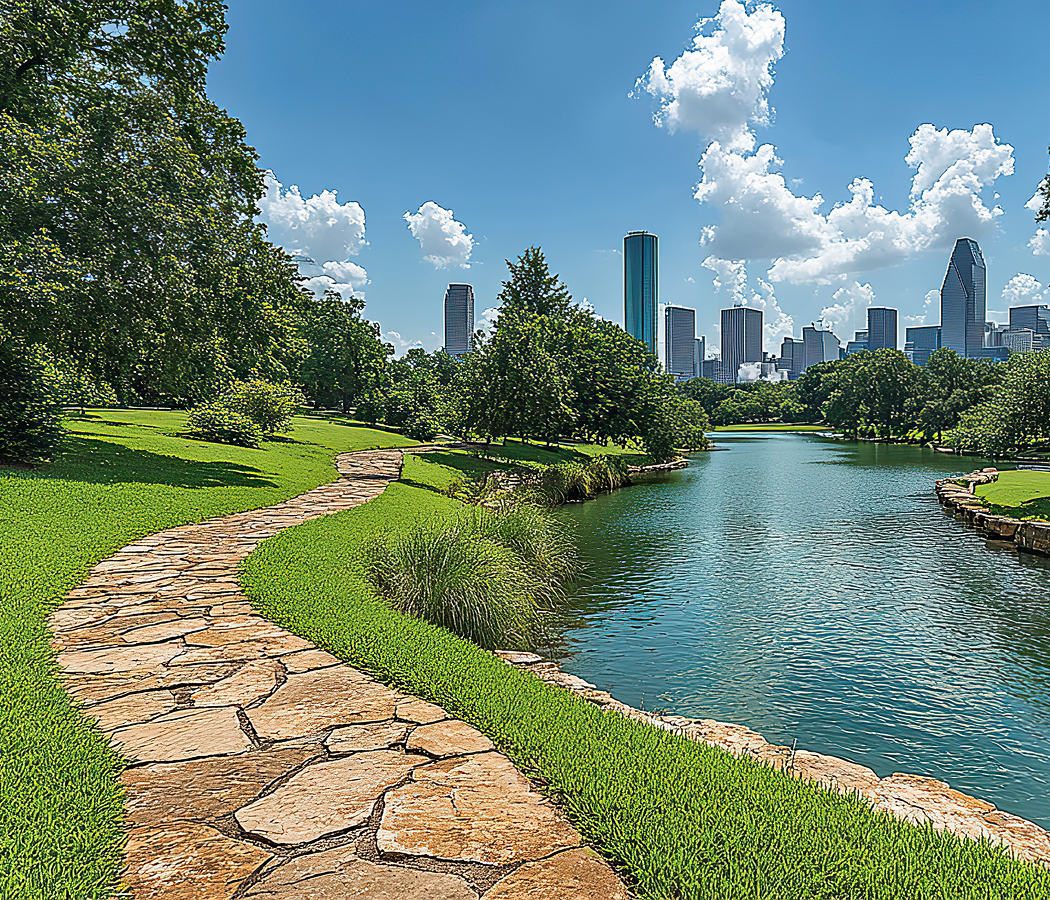
Running through West Dallas between Trinity Groves, Downtown, and the Trinity River, this iconic corridor connects landmark bridges, energetic public parks, adaptive reuse destinations, scenic overlooks, acclaimed restaurants, and welcoming pedestrian spaces that collectively showcase Dallas' remarkable transformation of its riverfront. Historic transportation infrastructure, architecturally significant bridges, thoughtfully designed public spaces, landscaped trails, thriving neighborhood destinations, celebrated recreational amenities, and energetic gathering places create an urban landscape where generations of engineers, civic leaders, entrepreneurs, and residents have reshaped one of North Texas' defining urban corridors. Continental Avenue evolved from a major vehicular crossing into a celebrated pedestrian destination while preserving its enduring role as a symbolic connection between historic West Dallas and Downtown. The result is a corridor defined by civic ambition, architectural innovation, and lasting metropolitan significance.
What defines Continental Avenue.
Continental Avenue is best known for the Continental Avenue Bridge, the first major highway bridge in Texas transformed into a permanent pedestrian park, redefining how obsolete infrastructure could serve public life.
Originally opened in 1933 to carry automobile traffic across the Trinity River, the bridge gained new purpose after the Margaret Hunt Hill Bridge opened nearby. Rather than demolishing the historic structure, Dallas reimagined it as a spirited public space featuring walking paths, recreational amenities, event spaces, and striking skyline views. Today, the Continental Avenue Bridge stands as a nationally recognized example of adaptive infrastructure, welcoming residents and visitors while strengthening connections between Downtown and West Dallas. That remarkable transformation has established Continental Avenue as a corridor anchored by one of Texas' most innovative public spaces.
How Continental Avenue fits.
Continental Avenue works as an exploration of Dallas' skyline views, riverfront parks, and architectural landmarks.
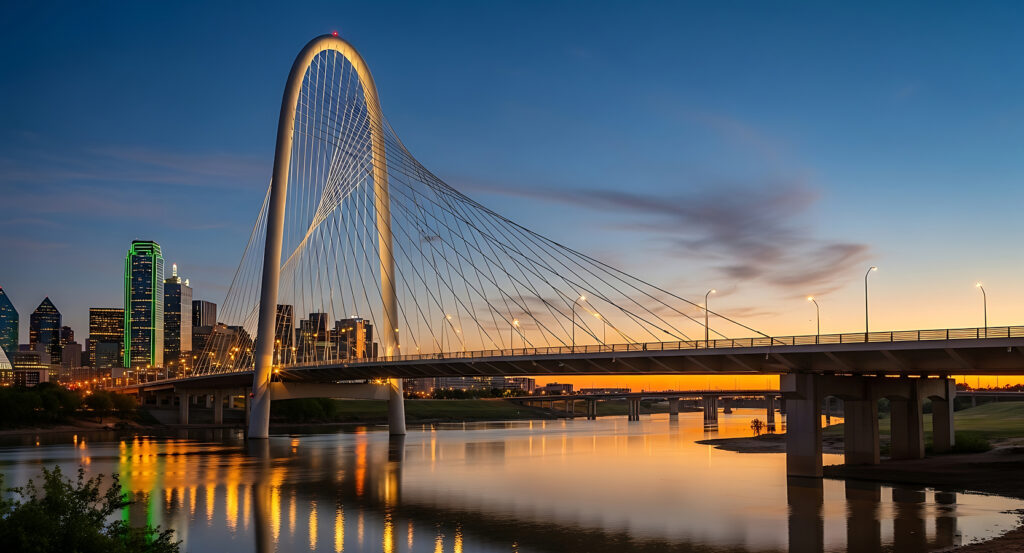
Begin at the Continental Avenue Bridge, where sweeping skyline vistas immediately establish the corridor's defining identity. Continue toward the Ronald Kirk Bridge, where the thoughtfully reimagined pedestrian crossing provides broader perspective on Dallas' commitment to reconnecting the Trinity River corridor. From there, make your way to the Margaret Hunt Hill Bridge, where Santiago Calatrava's internationally acclaimed cable stayed design provides a memorable conclusion while celebrating one of Dallas' defining architectural landmarks. Along the route, you'll encounter architecturally significant bridges, welcoming public spaces, thriving riverfront destinations, beautifully landscaped trails, celebrated engineering achievements, and energetic gathering places that reveal West Dallas' exceptional depth. The progression moves naturally from a pioneering pedestrian bridge to a transformed civic crossing to an internationally recognized architectural icon, demonstrating how Continental Avenue connects engineering innovation, community life, and urban transformation.
Where your story begins.
Foresyte Travel reveals places that feel extraordinary long before you arrive.
Enjoy editorial crafted for luxury travelers.
Foresyte may earn a commission when you book.