Why you should experience Cornell Drive in Chicago, Illinois.
Cornell Drive is a graceful corridor where Hyde Park's academic heritage, lakefront landscapes, cultural institutions, and Chicago's South Side history unfold beside one of the city's most celebrated park systems.
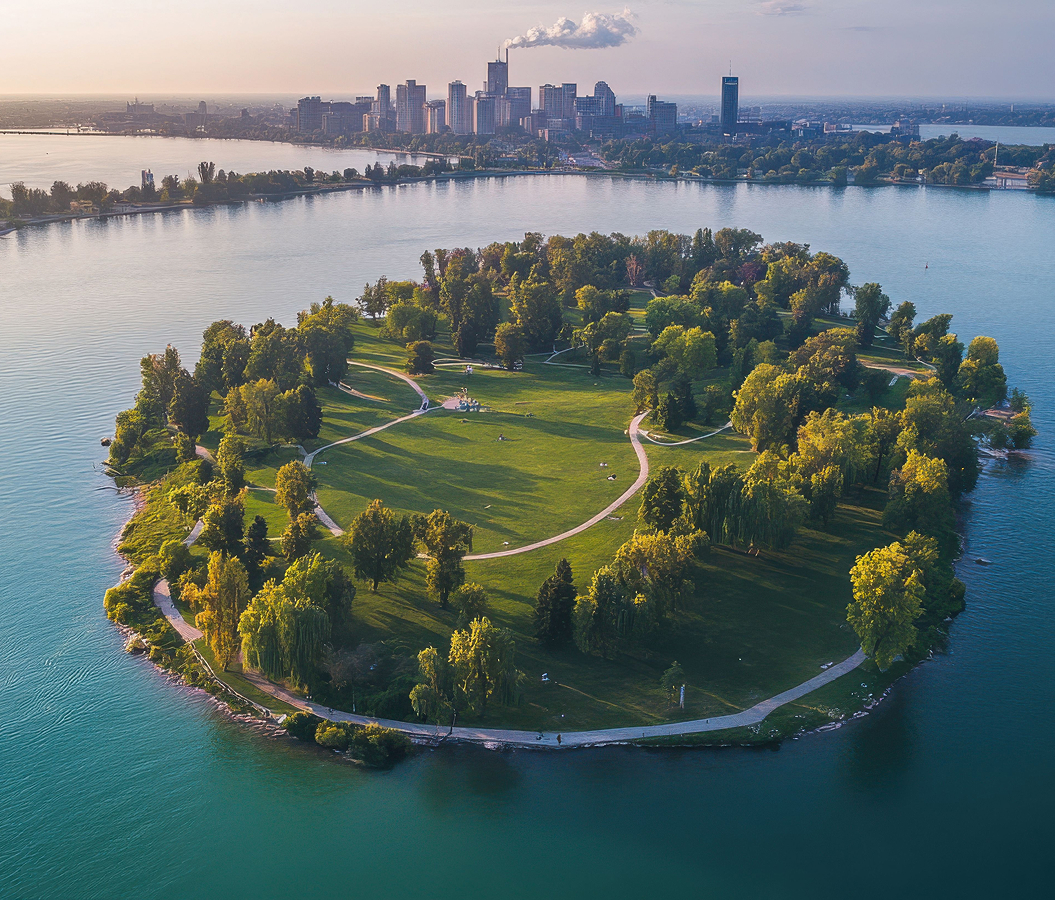
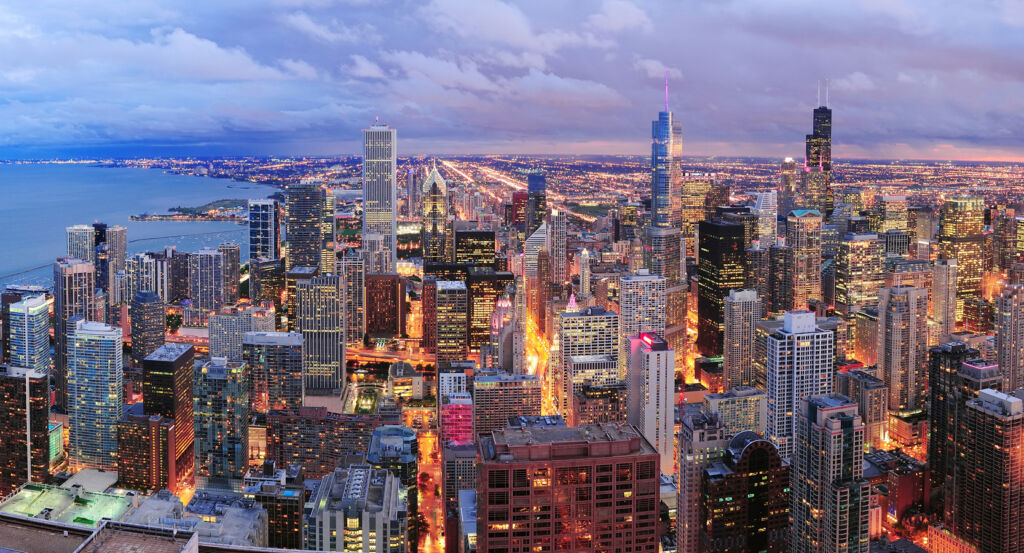
Running through Hyde Park between Washington Park and Jackson Park, Cornell Drive connects museums, university facilities, historic parkland, residential districts, and civic institutions that collectively reflect more than 130 years of thoughtful urban planning. The corridor reveals how landscape architecture, civic vision, higher education, and international cultural exchange transformed Chicago's lakefront into one of America's most significant public environments. Tree-lined boulevards, historic bridges, museum campuses, and expansive greenspaces continue defining the drive while reinforcing its enduring civic character. The result is a corridor distinguished by landscape design, cultural importance, and architectural continuity.
What you should know about Cornell Drive.
Cornell Drive is best known for traversing the eastern edge of Hyde Park through Jackson Park, whose master plan was prepared during the 1870s by landscape architects Frederick Law Olmsted and Calvert Vaux, establishing one of the nation's most influential urban park landscapes. The corridor became central to preparations for the 1893 World's Columbian Exposition, when architect Daniel Burnham, landscape architect Olmsted, and dozens of designers transformed Jackson Park into the fairgrounds that introduced the White City, attracting more than 27 million visitors and permanently influencing modern urban planning. Construction of the Museum of Science and Industry, housed within the former Palace of Fine Arts, preservation of the Garden of the Phoenix, development of the Osaka Garden, and continued stewardship of the Midway Plaisance established Cornell Drive within one of Chicago's foremost concentrations of cultural and landscape resources. Nearby expansion of the University of Chicago, founded in 1890 through the philanthropy of John D. Rockefeller, together with continued investment in park infrastructure by the Chicago Park District, reinforced the corridor's importance as a gateway linking education, recreation, and civic life. Ongoing restoration of lagoons, bridges, roadways, and native landscapes has preserved Cornell Drive as one of Chicago's most historically significant park corridors.
Formation of the Jackson Park Advisory Council strengthened long-term stewardship through environmental restoration, community advocacy, educational programming, and preservation initiatives supporting landscapes surrounding Cornell Drive. Botanist Jens Jensen, preservation organizations, and landscape specialists contributed to successive restoration efforts that protected historic plantings, waterways, and designed vistas while respecting Olmsted and Vaux's original vision. Continued planning associated with the Obama Presidential Center, restoration projects led by the Chicago Park District, preservation oversight involving the National Park Service, and recognition of the Jackson Park Historic Landscape District collectively document the corridor's continuing importance within American landscape architecture and public park history. Together, Frederick Law Olmsted, Calvert Vaux, Daniel Burnham, the World's Columbian Exposition, the Palace of Fine Arts, the Museum of Science and Industry, the Garden of the Phoenix, the University of Chicago, the Chicago Park District, the Jackson Park Advisory Council, and more than a century of preservation and landscape stewardship establish Cornell Drive among Chicago's most historically significant civic corridors.
How to fold Cornell Drive into your trip.
Cornell Drive works as an exploration of Hyde Park's landscape architecture, cultural institutions, and lakefront heritage.
Begin at the Griffin Museum of Science and Industry, where pioneering exhibitions and the preserved Palace of Fine Arts introduce the architectural and educational legacy surrounding Cornell Drive before naturally expanding into Jackson Park. Continue to the Garden of the Phoenix, where carefully restored Japanese landscape design reflects the international legacy of the World's Columbian Exposition before guiding the experience toward its conclusion. Conclude at the Clarence Darrow Memorial Bridge, where Olmsted's landscape composition, tranquil lagoons, and carefully framed park vistas provide the historical and visual payoff, illustrating how landscape architecture, preservation, and civic investment continue defining Cornell Drive. The progression moves naturally from educational discovery to international cultural heritage before concluding within one of Chicago's finest designed park landscapes.
Where your story begins.
Foresyte Travel reveals places that feel extraordinary long before you arrive.
Experience premium editorial crafted for luxury travelers.