Why you should experience Courtyard by Marriott Dallas Downtown/Reunion District in Dallas, Texas.
Courtyard by Marriott Dallas Downtown/Reunion District is where practical comfort, smart design, and authentic urban rhythm come together to create a stay that feels rooted in the city's movement rather than separate from it, ideal for travelers who value accessibility, presence, and purposeful simplicity.
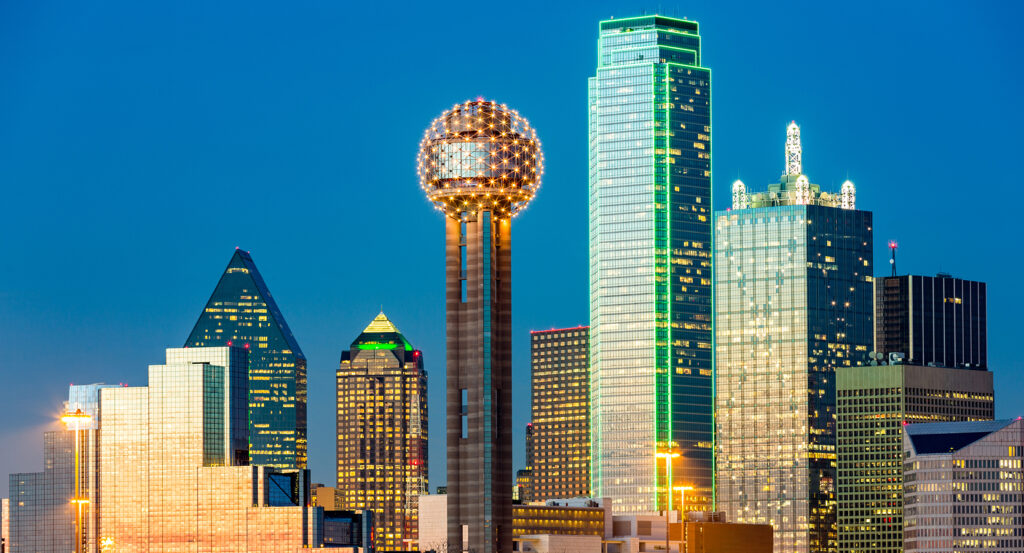
Located in the Reunion District, this hotel places you within reach of Dallas's historic sites, contemporary culture, and transit connections. Arrival here feels purposeful and grounded: the exterior signals clarity and scale without pretense, and stepping inside immediately creates a sense of orientation rather than disorientation. Interiors are arranged with intention, public spaces that feel welcoming, transitions that feel clear, and materials that communicate warmth. The lobby unfolds naturally into lounges and seating areas designed for real presence: spaces where you can rest after a morning of walking, plan the day with ease, or quietly observe the city's motion through large windows that frame light and skyline. Guest rooms extend this character into personal quarters. Expect beds dressed in high-quality linens that encourage deep rest; furniture that feels functional without rigidity; and layouts that emphasize proportion, simplicity, and comfort. Rooms feel calm without being sterile, designed for genuine use rather than staged impression. Large windows often frame views of the Reunion District's mix of historic architecture, modern city lines, or distant sky, reminding you that your stay is a part of Dallas. Bathrooms are practical and well appointed, with showers or tubs chosen for comfort, reliable fixtures, and lighting that feels natural. What defines Courtyard by Marriott Dallas Downtown/Reunion District is its quiet usefulness and clear, human-scaled design. Public areas, the breakfast/dining space, lounges, and social nooks, feel approachable and versatile. Whether you're starting your day with coffee, catching up on work in a soft seat, or meeting a companion before heading out, the environment supports each moment. Meals here emphasize freshness and balance. Service is warm and genuinely attentive, calibrated to anticipate needs. Staff members offer guidance rooted in real local understanding, from transit tips to dining recommendations to neighborhood pointers, all delivered with ease. Step outside and the Reunion District unfolds with layered texture. Historic architectural landmarks like Reunion Tower stand nearby, transit links make Dallas's broader neighborhoods reachable with ease, and streets invite exploration at your own pace. The West End Historic District, the Arts District, Deep Ellum, and Uptown are all accessible without logistical strain, making movement between parts of the city feel natural rather than forced. Courtyard by Marriott Dallas Downtown/Reunion District is ideal for travelers who want Dallas to feel accessible, genuinely urban, and comfortably navigable, a stay that privileges presence, simplicity, and smart design over pretense or performance.
What you should know about Courtyard Dallas Downtown/Reunion District.
Courtyard by Marriott Dallas Downtown/Reunion District sits within a part of Dallas shaped by its role as both a historic gathering place and a functional crossroads, where transport, commerce, and civic life have long intersected.
The Reunion District itself is named for its proximity to the historic Reunion Tower and for the city's early spatial logic: this was an area where movement mattered, trains, streets, commerce, and where people came together not to observe the city, but to participate in it. The neighborhood was not planned as a segmented tourism zone or a preserved relic; it grew through use. As rail lines, transit routes, and commercial networks expanded in Dallas's early growth, this part of downtown became an operational hub. Today's hotel occupies a spot within this lineage of connection. Its architecture and orientation respond to the city's grid with clarity and proportion rather than attempting to dominate or isolate. Inside, this functional legacy is evident in how spaces are organized: circulation is intuitive, public areas feel welcoming rather than compartmentalized, and sightlines encourage movement rather than obstruction. A smaller but meaningful detail is how the Reunion District manages to balance scale with human presence. Dallas's downtown includes large civic and commercial structures, yet this district was planned to preserve legibility at street level: generous sidewalks, pedestrian routes that connect blocks rather than isolate them, and transit access that integrates rather than partitions. Courtyard by Marriott Dallas Downtown/Reunion District reflects this logic in its interior choices as well. Materials were selected for durability and physical warmth rather than dramatic effect: surfaces that age gracefully, lighting that feels supportive rather than stark, and spatial transitions that feel seamless rather than fragmented. The hotel's public areas, lobby, dining, lounge, are designed not as showpieces but as places in motion, where people intersect naturally based on need and presence. Another subtle but significant aspect of the hotel's context is how sound and scale are managed. Despite its downtown location within a dynamic urban zone, interiors are composed to moderate noise without isolation, allowing social interaction to coexist with quiet presence. This is not accidental; it reflects a broader design understanding that places should support life. Staying here places you inside a part of Dallas that is functional, connected, and genuinely urban.
How to fold Courtyard Dallas Downtown/Reunion District into your trip.
Courtyard by Marriott Dallas Downtown/Reunion District works best when you let walkability, context, and neighborhood rhythm guide your experience.
Begin your mornings with breakfast at the hotel or at a nearby café, letting the city's slower early movement, deliveries, commuters, pedestrians, orient your senses before the full day unfolds. Step outside and walk toward Reunion Tower; rather than treating it as a landmark to check off, allow the streets you cross and the buildings you pass to shape your understanding of place. Let architectural context be part of your experience. Late mornings are ideal for exploring adjacent districts. Head toward the West End Historic District for brick corridors and historic markers, or take transit toward the Arts District for cultural depth. Notice how each district's character shifts not as a performance but as a lived pattern. Midday, return to the hotel for a pause that feels restorative. Lounge in public areas, read, plan the route, or simply enjoy light fare, these spaces are designed to hold moments. In the afternoon, venture further. Walk toward Deep Ellum's creative streets, Uptown's tree-lined avenues, or the waterfront promenades that bring light and reflection into Dallas's geography. Each trip feels accessible because of the hotel's transit proximity and street logic. As evening approaches, let dinner unfold instinctively. Choose restaurants that invite you into local rhythm. Dallas's culinary scene rewards curiosity, menus shaped by local context and seasonal intention. After dinner, take a slow walk back through illuminated streets, noticing how shadows and light articulate form. Returning to the hotel at night feels like sliding into calm presence. On your final morning, linger, one more coffee, one more slow step through streets now familiar.
Where your story begins.
Foresyte Travel reveals places that feel extraordinary long before you arrive.
Experience premium editorial crafted for luxury travelers.