Why Crowdus Street matters.
Crowdus Street is an eclectic corridor where Deep Ellum's industrial heritage, artistic identity, entrepreneurial energy, and cultural legacy create one of Dallas' most recognizable urban streets.
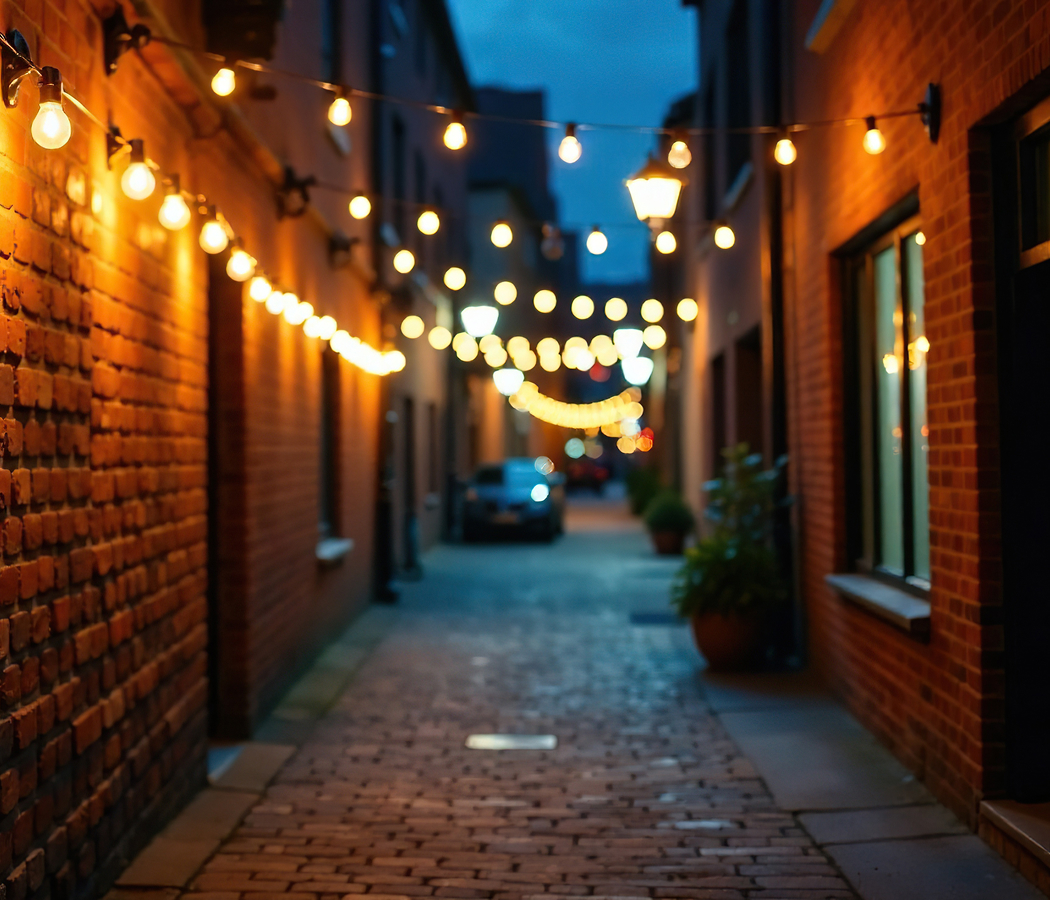
Running through Deep Ellum between Downtown and Fair Park, the corridor connects historic warehouse buildings, celebrated music venues, creative studios, independent businesses, and evolving residential spaces that reflect more than a century of continual reinvention. Each successive block reveals restored brick warehouses, expansive murals, converted industrial buildings, intimate performance spaces, and active pedestrian streetscapes that reinforce the corridor's unmistakable creative character. The defining moment arrives as Crowdus Street demonstrates how industrial architecture, live music, and independent enterprise continue defining one of Dallas' most distinctive environments. The result is an experience defined by creative authenticity, architectural continuity, and one of Deep Ellum's most compelling corridors.
What defines Crowdus Street.
Crowdus Street is best known for developing alongside Deep Ellum's emergence as Dallas' premier warehouse and manufacturing district during the late nineteenth century and early twentieth century, when nearby railroad corridors attracted wholesalers, light industry, cotton merchants, and distribution businesses east of Downtown. Development introduced masonry warehouses, commercial loft buildings, manufacturing facilities, and service buildings featuring load-bearing brick construction, heavy timber framing, steel lintels, cast-stone detailing, large industrial sash windows, and ornamental brick corbelling that continue defining the corridor's architectural identity. Beginning in the 1920s, Deep Ellum became internationally recognized for its influential blues and jazz scene, welcoming performers including Blind Lemon Jefferson, whose legacy established the district as one of Texas' most significant centers of African American musical culture. Original warehouse proportions, alley networks, brick façades, generous storefront openings, and interconnected commercial blocks preserve the industrial planning principles established during the district's formative decades while reinforcing Crowdus Street's cohesive streetscape. Continued rehabilitation has transformed historic industrial buildings into creative workplaces, galleries, restaurants, and entertainment venues while preserving the corridor's authentic architectural fabric. Collectively, the corridor's railroad-era origins, industrial craftsmanship, musical legacy, and adaptive commercial revival established Crowdus Street as one of Deep Ellum's defining historic corridors.
The Deep Ellum Foundation continues supporting neighborhood revitalization, public art commissions, cultural programming, and independent business development that reinforce Crowdus Street's creative character while encouraging long-term investment throughout the district. The Deep Ellum Community Association promotes neighborhood collaboration, historical awareness, and arts initiatives that strengthen the corridor's cultural character while preserving its longstanding creative traditions. Native cedar elms, live oaks, ornamental grasses, climbing vines, landscaped planting beds, decorative brick paving, and pedestrian-scale lighting create a welcoming streetscape that complements the surrounding warehouse architecture while enhancing the district's walkable atmosphere. Together, these neighborhood organizations, cultural initiatives, and enduring landscape traditions demonstrate how Crowdus Street continues retaining its distinctive character through sustained artistic stewardship and thoughtful preservation.
How Crowdus Street fits.
Crowdus Street works as an exploration of Dallas' industrial heritage and creative culture.
Begin at The Factory in Deep Ellum, where restored industrial architecture and nationally recognized performances establish the historical story surrounding Crowdus Street while naturally introducing the district's warehouse legacy. Continue to Deep Ellum Murals, where large-scale public artworks and continually evolving visual expression deepen appreciation for the neighborhood's artistic character before guiding the experience toward its historical conclusion. Conclude at Blues Alley, where interpretive installations honoring pioneering musicians provide the historical payoff by illustrating the cultural traditions that transformed Deep Ellum into one of America's defining music districts. The progression moves naturally from preserved industrial architecture to contemporary artistic expression before culminating in the musical heritage that continues defining Crowdus Street.
Where your story begins.
Foresyte Travel reveals places that feel extraordinary long before you arrive.
Enjoy editorial crafted for luxury travelers.
Foresyte may earn a commission when you book.