Why Daniel Avenue matters.
Daniel Avenue is a refined corridor where University Park's academic heritage, residential elegance, architectural distinction, and enduring neighborhood character create one of Dallas' most admired streets.
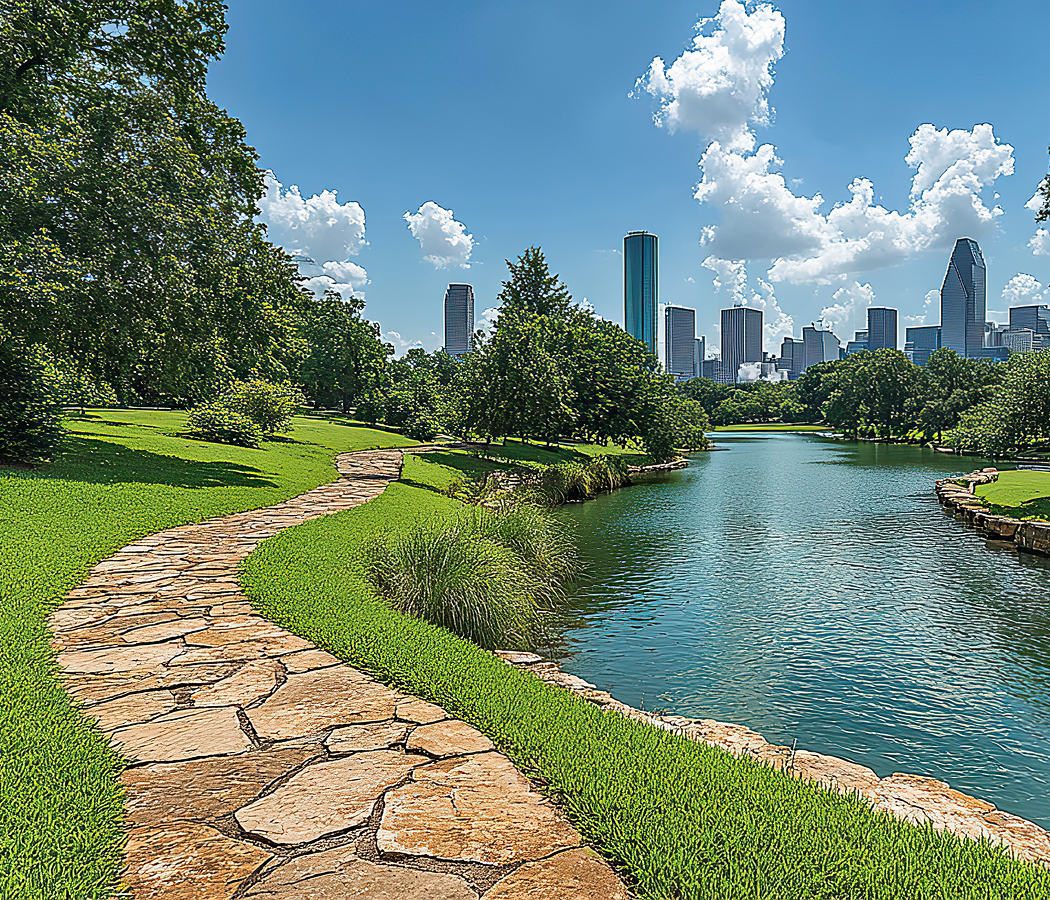
Running through University Park between Highland Park and the Park Cities, the corridor connects distinguished residences, university landmarks, neighborhood churches, and shaded residential blocks that reflect nearly a century of thoughtful community development. Each successive block reveals Tudor Revival homes, Georgian residences, mature live oaks, limestone detailing, and generous landscaped setbacks that reinforce the avenue's timeless identity. The defining moment arrives as Daniel Avenue demonstrates how architectural craftsmanship, careful preservation, and enduring neighborhood stewardship continue shaping one of Dallas' most distinguished residential environments. The result is an experience defined by architectural sophistication, neighborhood continuity, and one of University Park's most rewarding corridors.
What defines Daniel Avenue.
Daniel Avenue is best known for developing alongside the expansion of University Park throughout the 1920s, 1930s, and 1940s, when the surrounding community emerged as one of Dallas' premier residential districts adjacent to Southern Methodist University. Residential development introduced distinguished examples of Tudor Revival, Colonial Revival, Georgian Revival, and French Eclectic architecture featuring brick masonry, limestone trim, slate roofs, original wood sash windows, decorative chimneys, half-timbering, and formal entry porticos that continue defining the corridor's architectural identity. The avenue evolved in concert with the growth of Southern Methodist University, founded in 1911 and opened on its present campus in 1915, whose Collegiate Gothic architecture and landscaped grounds permanently influenced the surrounding residential character. Broad setbacks, interconnected sidewalks, mature tree canopies, curving residential blocks, and carefully maintained parkways preserve the planning principles established during University Park's formative decades while reinforcing Daniel Avenue's cohesive streetscape. Continued restoration has preserved historic residences while accommodating sensitive modernization that respects the avenue's original architectural fabric. Collectively, the corridor's university-era development, residential craftsmanship, architectural continuity, and sustained preservation established Daniel Avenue as one of University Park's defining historic corridors.
The University Park Historic Preservation Commission continues encouraging stewardship of architecturally significant residences through preservation advocacy and design guidance that reinforce Daniel Avenue's historic character. Preservation Dallas documents, researches, and promotes the conservation of historically significant buildings throughout the Park Cities, strengthening appreciation for the avenue's enduring architectural legacy. Native live oaks, cedar elms, magnolias, ornamental boxwoods, limestone garden walls, and meticulously maintained planting beds create a mature landscape that complements the surrounding residences while preserving the corridor's distinctive visual rhythm. Together, these preservation initiatives, neighborhood stewardship efforts, and enduring landscape traditions demonstrate how Daniel Avenue continues retaining its historic character through sustained community investment and thoughtful conservation.
How Daniel Avenue fits.
Daniel Avenue works as a leisurely exploration of University Park's architectural heritage and cultural landscape.
Begin at George W. Bush Presidential Center, where distinguished architecture and beautifully composed grounds establish the institutional story surrounding Daniel Avenue while naturally introducing University Park's enduring identity. Continue to Meadows Museum, where one of the world's foremost collections of Spanish art deepens appreciation for the cultural richness associated with the surrounding community before guiding the experience toward its historical conclusion. Conclude at Highland Park Village, where pioneering Spanish Colonial Revival architecture and beautifully preserved storefronts provide the historical payoff by illustrating the design excellence that has long distinguished the Park Cities. The progression moves naturally from civic and academic heritage to artistic achievement before culminating in one of America's most influential retail environments.
Where your story begins.
Foresyte Travel reveals places that feel extraordinary long before you arrive.
Enjoy editorial crafted for luxury travelers.
Foresyte may earn a commission when you book.