Why Detroit Riverwalk matters.
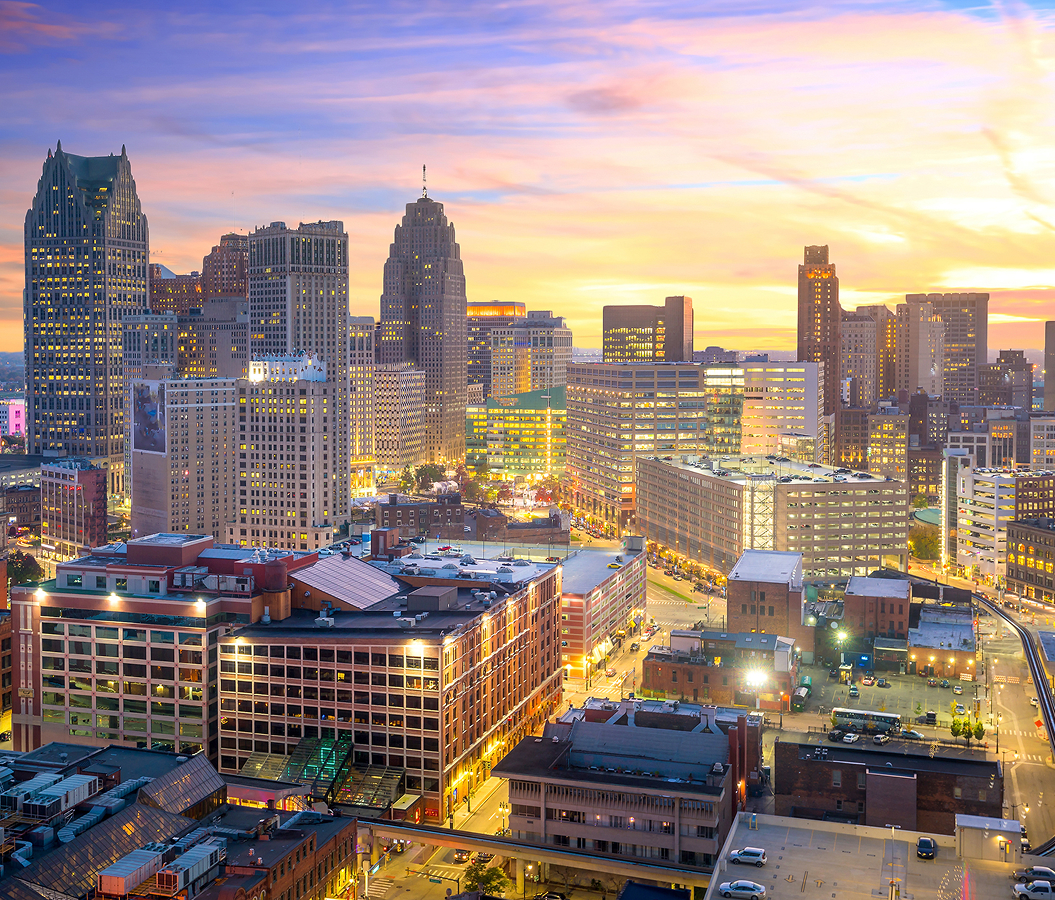
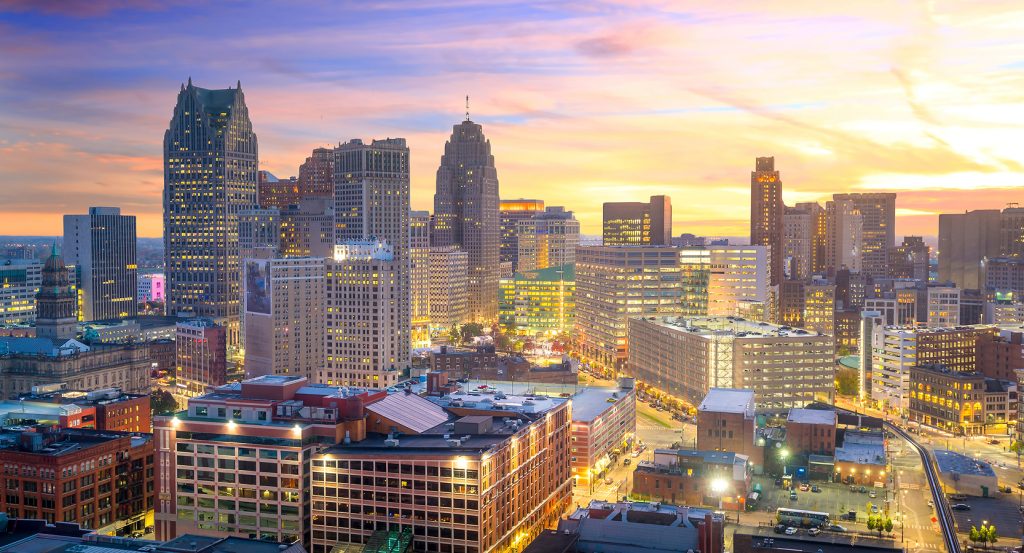
Detroit Riverwalk is a revitalized waterfront promenade where Downtown Detroit's industrial heritage meets the international geography of the Detroit River, the restoration of former shipping and manufacturing properties, and the transformation of the city's southern shoreline into a continuous public landscape.
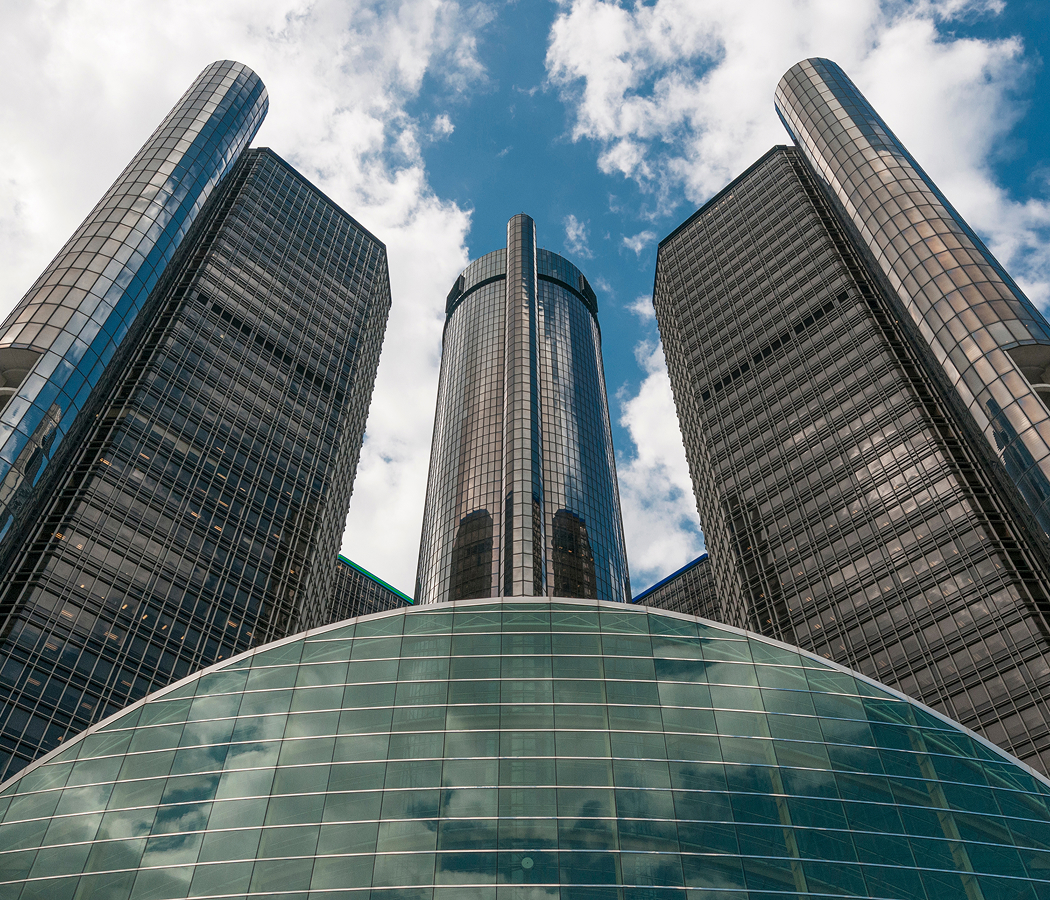
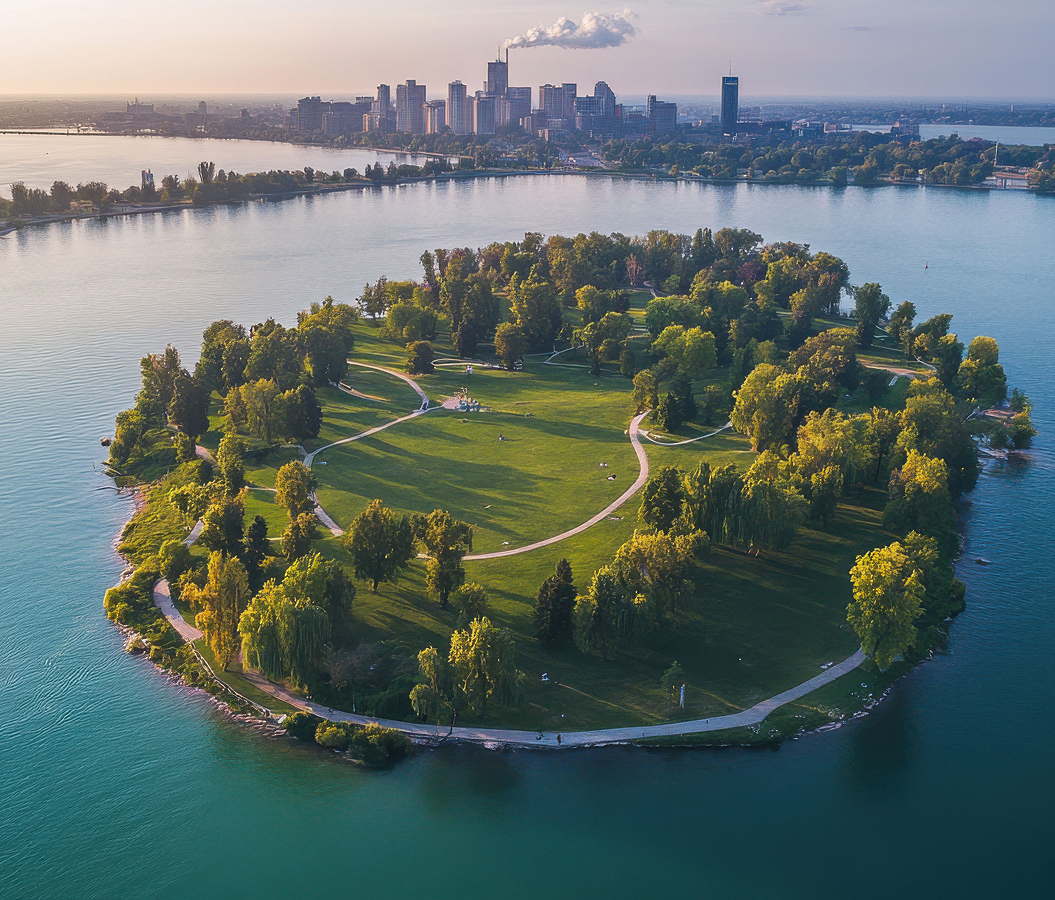
Extending along the Detroit River from the vicinity of the Ambassador Bridge east toward Gabriel Richard Park, the promenade follows the city's southern waterfront, passing the Renaissance Center and the foot of Woodward Avenue as it connects former industrial parcels with landscaped parks, plazas and pedestrian paths. Across the river, Windsor's waterfront forms the Canadian side of one of North America's principal international shipping corridors. Broad paved paths accommodate pedestrians and cyclists beside lawns, gardens and restored riverfront structures. Railings and observation areas provide views of commercial vessels traveling between the Great Lakes. The result is a public waterfront connecting Detroit's maritime infrastructure, industrial development and international border with recreational access to the river.
What defines Detroit Riverwalk.
Detroit Riverwalk is best known for its transformation of formerly industrial waterfront properties into a connected public promenade and its role in restoring access to the Detroit River. The river served as a transportation corridor for Indigenous communities long before European settlement, connecting the Upper Great Lakes with waterways extending toward Lake Erie. French colonists established Fort Pontchartrain du Détroit in 1701, selecting the narrow waterway for its strategic position within the continental fur trade. During the nineteenth century, Detroit expanded as a commercial port, with docks, warehouses and transportation facilities occupying substantial sections of the shoreline. Steamship navigation and the development of Great Lakes commerce increased the importance of riverfront infrastructure. Industrial expansion subsequently brought shipyards, manufacturing plants, freight terminals and railway connections to the waterfront. The automobile industry's growth during the early twentieth century strengthened Detroit's manufacturing economy and intensified industrial use of the river corridor. Large commercial properties and transportation installations restricted public access to substantial stretches of the shoreline. Changes in shipping, manufacturing and urban land use during the late twentieth century created opportunities to reconsider the waterfront's future. Civic and business leaders pursued redevelopment proposals intended to reconnect downtown neighborhoods with the river. In 2003, the Detroit RiverFront Conservancy was established to coordinate the transformation of the waterfront through partnerships involving public agencies, foundations and private property owners. The organization developed a long-term plan for connected pedestrian routes, public parks and recreational facilities along the river. Construction and restoration projects gradually opened sections of the East Riverfront to public use. The redevelopment incorporated former industrial sites, existing public parks and newly landscaped spaces into a connected waterfront system. Subsequent improvements extended recreational access and strengthened connections between the riverfront and surrounding neighborhoods.
How Detroit Riverwalk fits.
Detroit Riverwalk works as the waterfront centerpiece for a Central Detroit itinerary connecting the city's maritime heritage, international transportation infrastructure and the public institutions developed along its historic river corridor.
Begin at William G. Milliken State Park and Harbor, the waterfront state park situated east of Downtown Detroit. Established as Michigan's first urban state park, the property developed through the transformation of former industrial land into a recreational harbor and landscaped public space. Its marina accommodates recreational vessels, and its wetlands incorporate native vegetation associated with the Detroit River ecosystem. The park's distinctive lighthouse-inspired tower marks the harbor entrance. Its development demonstrates the adaptation of former commercial waterfront property for public recreation and ecological restoration. Continue to Detroit-Windsor Tunnel, the international transportation crossing beneath the Detroit River. Opened in 1930, the tunnel connects Downtown Detroit with Windsor, Ontario, providing a direct road connection between the United States and Canada. Its construction required substantial engineering work beneath an active international waterway. The tunnel's underwater section incorporates a reinforced-concrete structure designed to accommodate vehicular traffic between the two cities. Its development strengthened commercial and passenger transportation across the border, complementing the region's existing maritime and railway connections. The crossing remains an important component of the Detroit-Windsor transportation network. Conclude at Detroit Historical Museum, the institution situated along Woodward Avenue within the city's Cultural Center. Established in 1928, the museum developed collections devoted to Detroit's history, including its origins as a French colonial settlement and its expansion into a major industrial center. The Streets of Old Detroit exhibition reconstructs historical commercial environments associated with the city's nineteenth-century development. Other galleries examine automobile manufacturing, regional transportation and the cultural contributions of Detroit's communities. The museum's collections connect the development of the riverfront with the broader economic and social history of southeastern Michigan. The progression moves from waterfront environmental restoration through international transportation engineering and culminates in Detroit's urban history, connecting Detroit Riverwalk with the maritime and industrial development of the city.
Where your story begins.
Foresyte Travel reveals places that feel extraordinary long before you arrive.
Enjoy editorial crafted for luxury travelers.