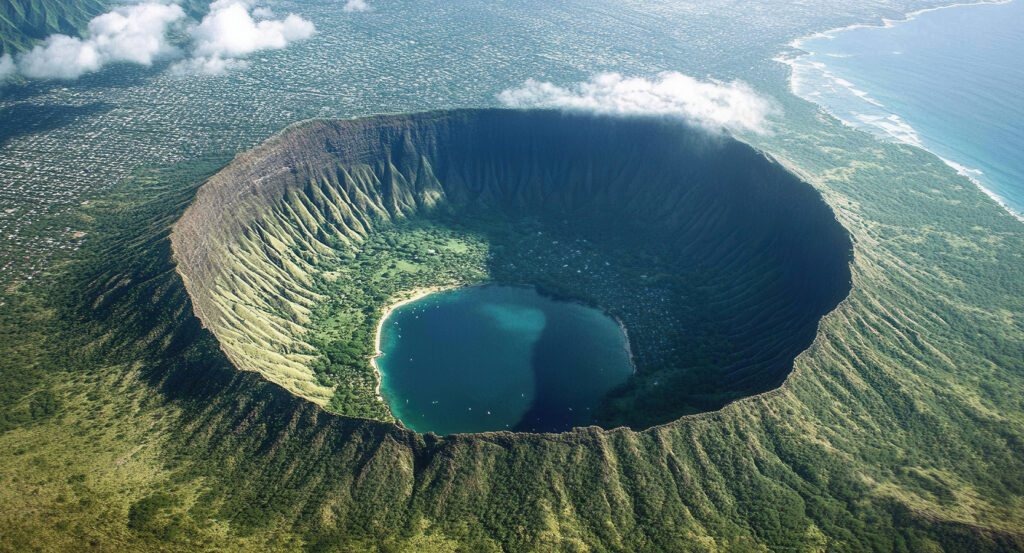
Why you should experience Diamond Head Road Vista Point in Hawaii.
Perched along the coastal cliffs beneath Oahu's most iconic volcano, Diamond Head Road Vista Point offers one of the most breathtaking perspectives in all of Hawaii.
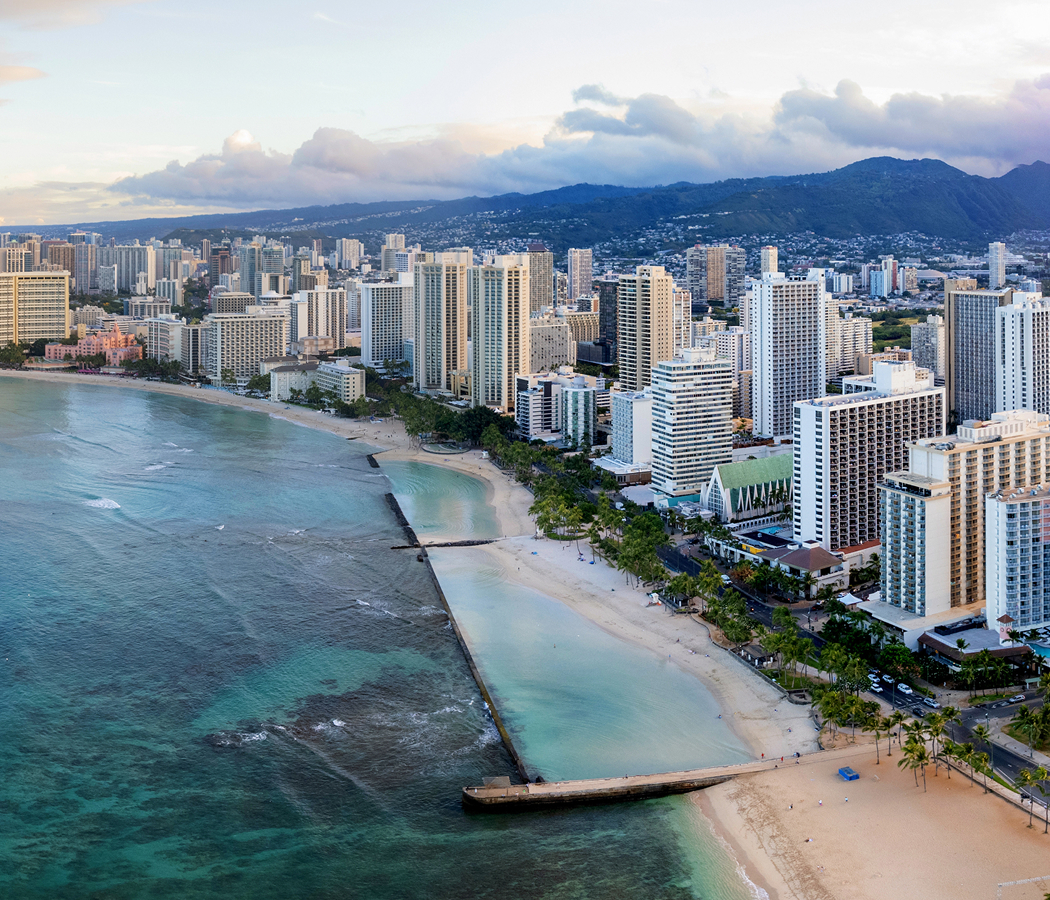
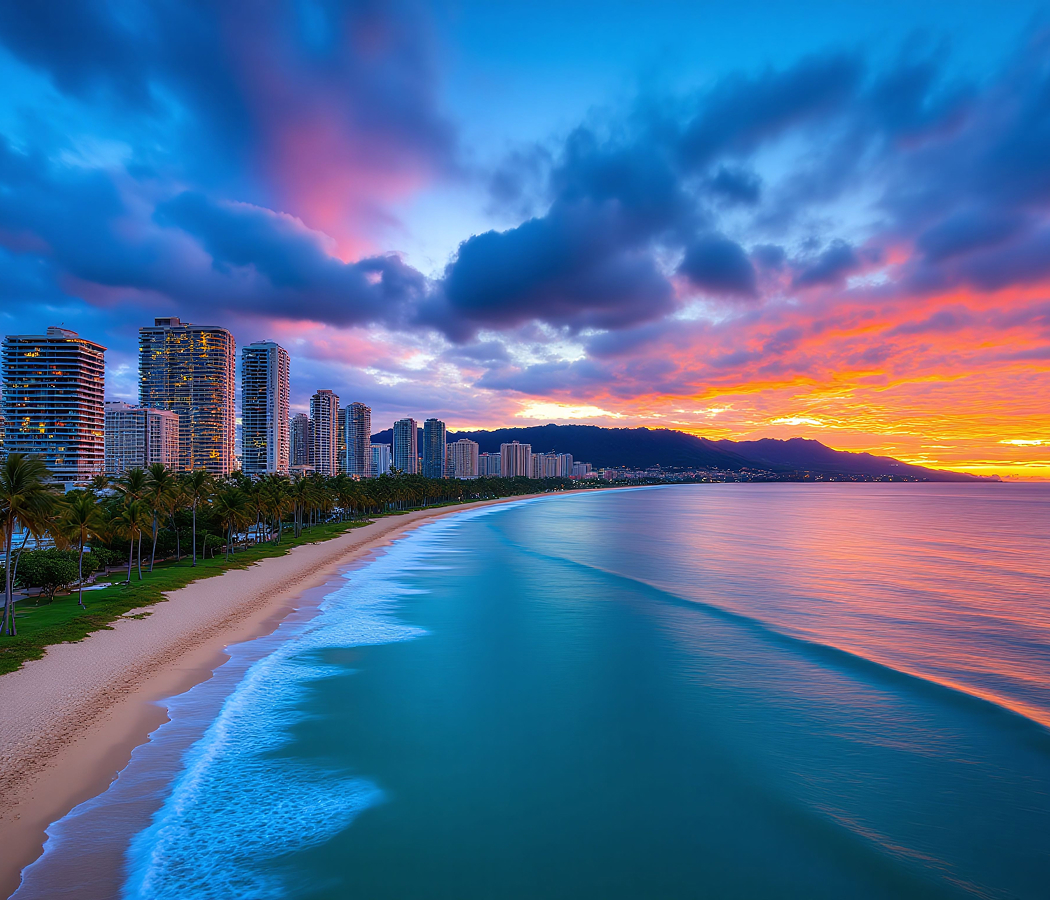
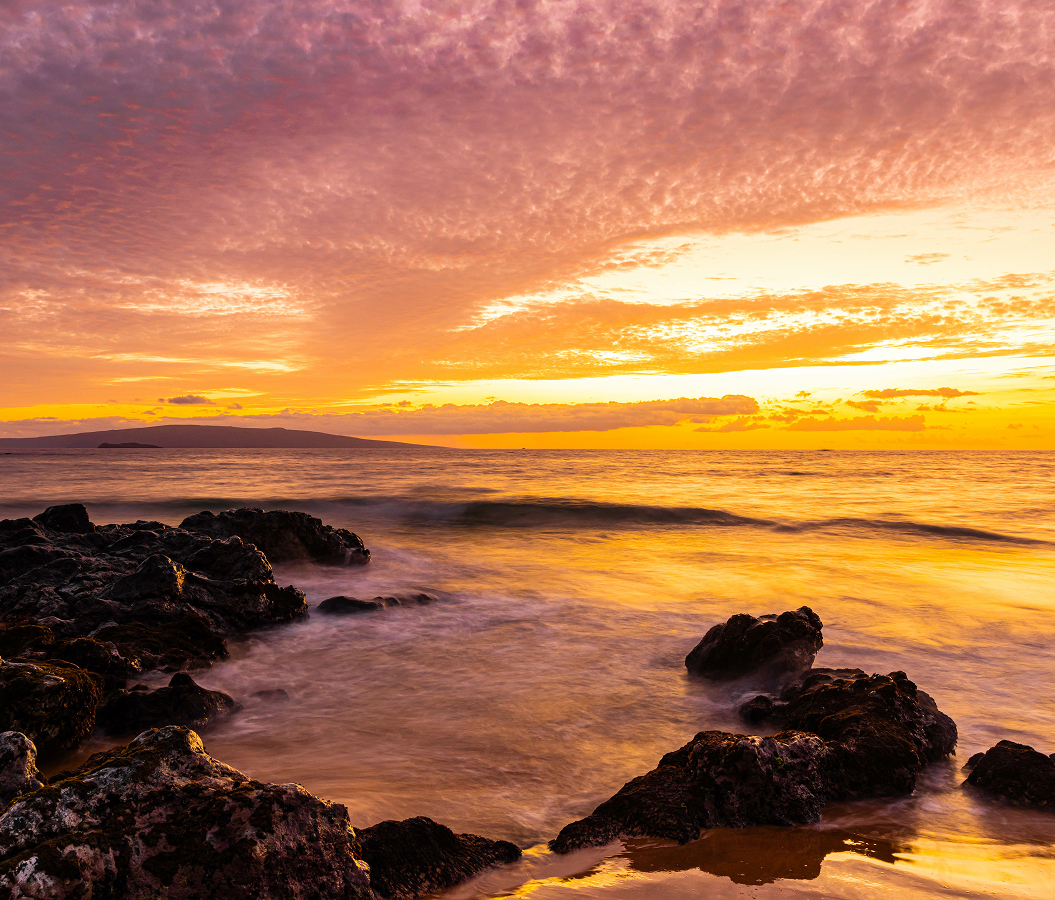
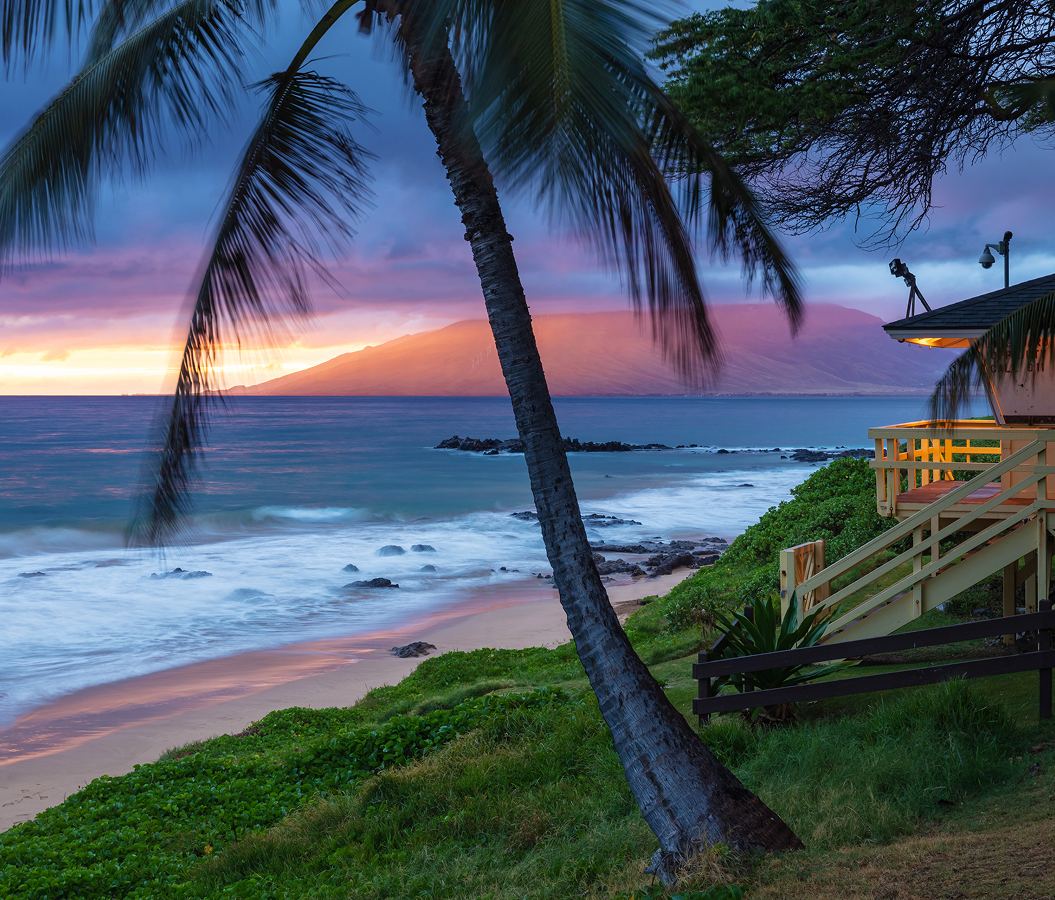
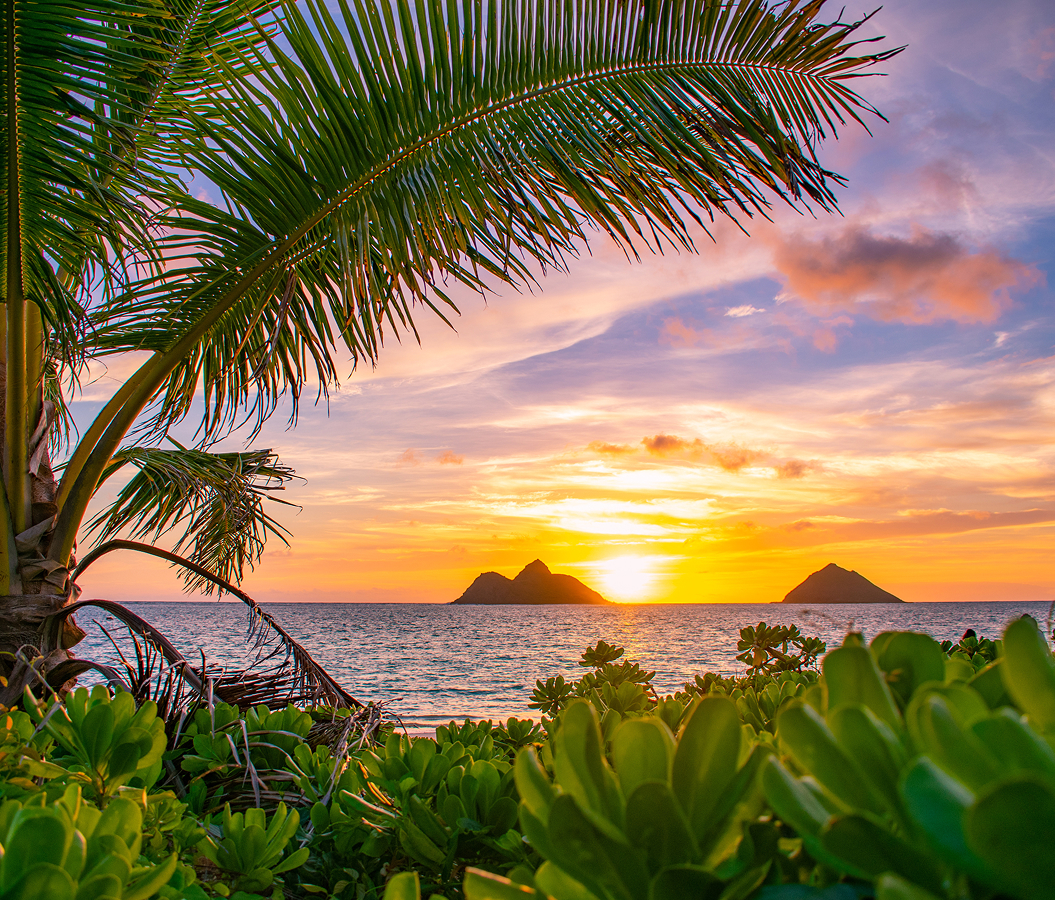
The vantage point, set high above the churning Pacific, feels suspended between sea and sky. Waves crash against the lava rock below, their white spray rising to meet the warm trade winds, while surfers carve across the turquoise breaks of the island's southern shore. To the east, the curve of Koko Head glows in the morning light; to the west, Waikiki's skyline shimmers like glass. It's a view that stirs both awe and serenity, the kind that makes you instinctively pause, breathe deeper, and just be. Locals often pull over here to sip coffee or watch for whales breaching offshore, while travelers linger, caught in the endless rhythm of water and wind. Diamond Head Road Vista Point isn't just a scenic stop; it's a reminder of how Hawaii slows the pulse and makes the world feel whole again.
What you should know about Diamond Head Road Vista Point.
Long before it became a favorite stop for photographers and travelers, Diamond Head Road Vista Point was known to Native Hawaiians as Lē'ahi, meaning “brow of the tuna,” a poetic name reflecting the crater's curved ridgeline that resembles a fish's sleek form.
In the early 1900s, the lookout became part of a coastal military defense system, offering strategic sightlines that stretched across Oahu's southern approach. The site served as a vital observation point during World War II, its cliffs outfitted with coastal artillery and bunkers hidden beneath the surface. After the war, the area was gradually reclaimed by the people, the bunkers softened by time, the lookout repurposed for peace. Today, a small monument near the railing pays homage to Amelia Earhart, who became the first woman to fly solo from Hawaii to the mainland in 1935. Her feat, completed from nearby Wheeler Field, cemented the lookout's legacy as a symbol of courage and exploration. Few visitors realize that when they gaze out over the Pacific, they're standing on ground once used to protect and inspire generations, a place where human ambition and natural beauty coexist in perfect balance.
How to fold Diamond Head Road Vista Point into your trip.
To fully experience Diamond Head Road Vista Point, time your visit with the light, sunrise or late afternoon are both extraordinary.
In the early morning, the cliffs glow gold and crimson, while the sea mirrors the color of molten glass. By sunset, the skyline of Honolulu shimmers in silhouette against the fading sun, casting long shadows over the crater's ridge. The lookout lies just off Diamond Head Road, a scenic coastal drive connecting Waikiki to the lighthouse viewpoint below. Parking is limited but free, so come early if you want to linger. Bring binoculars, humpback whales can often be seen offshore from December through April, breaching in the distance as waves crash below. Afterward, continue your day with a stop at the nearby Diamond Head Lighthouse or hike up the Summit Trail for a panoramic counterview overlooking this very coastline. For a relaxed finish, drive a few minutes toward Kapiolani Park or Kahala Beach for a picnic or swim. Diamond Head Road Vista Point is one of those rare places that captures everything Hawaii stands for, vastness, peace, and perspective, a view so expansive it feels less like a destination and more like an awakening.
Where your story begins.
Foresyte Travel reveals places that feel extraordinary long before you arrive.
Experience premium editorial crafted for luxury travelers.