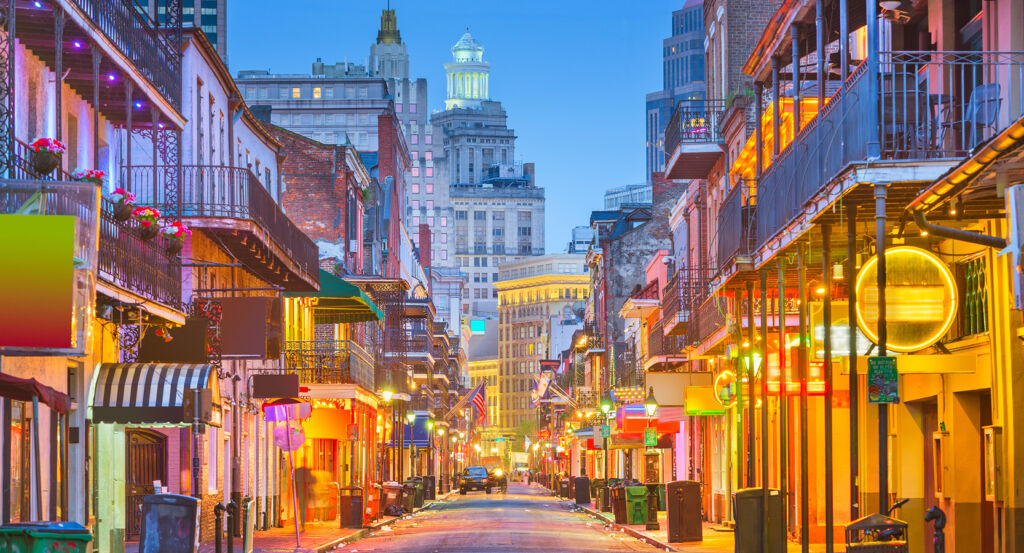
Why Downtown New Orleans matters.
Downtown New Orleans is the economic and civic center of the Crescent City, where historic landmarks, modern commerce, and cultural energy converge along one of America's most significant urban corridors.
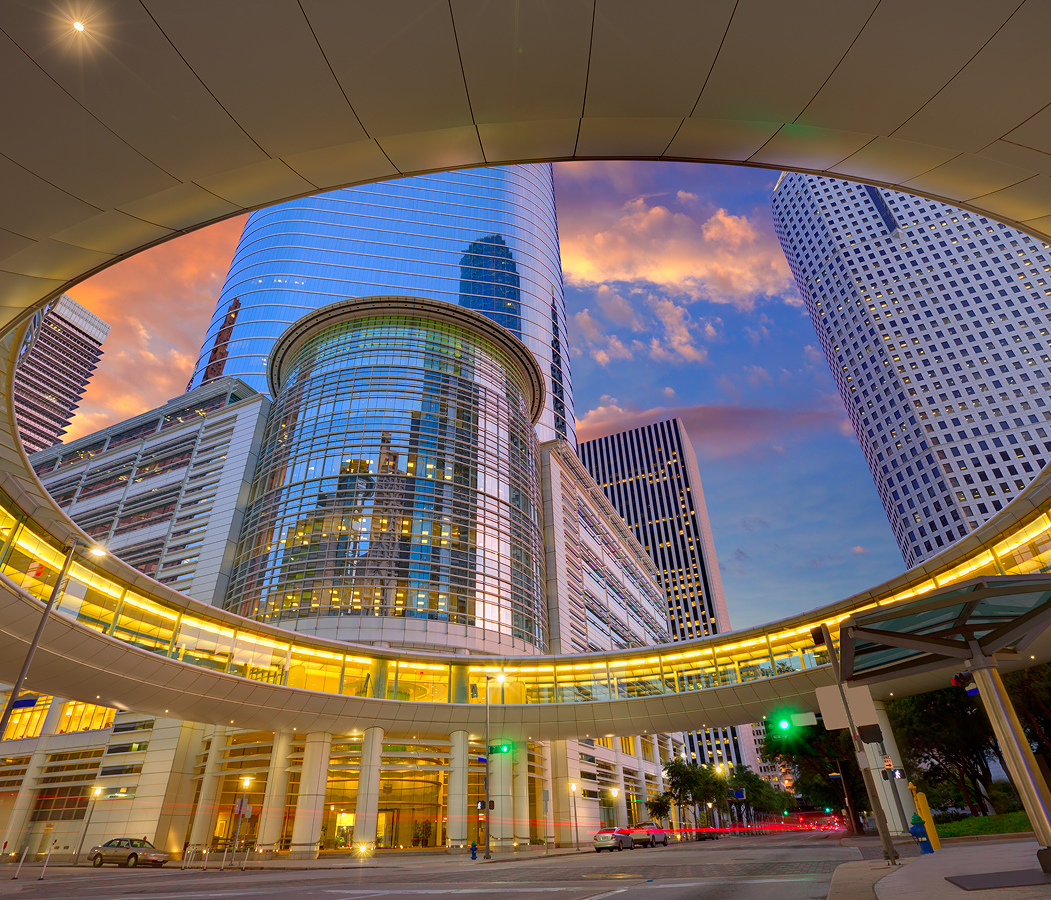
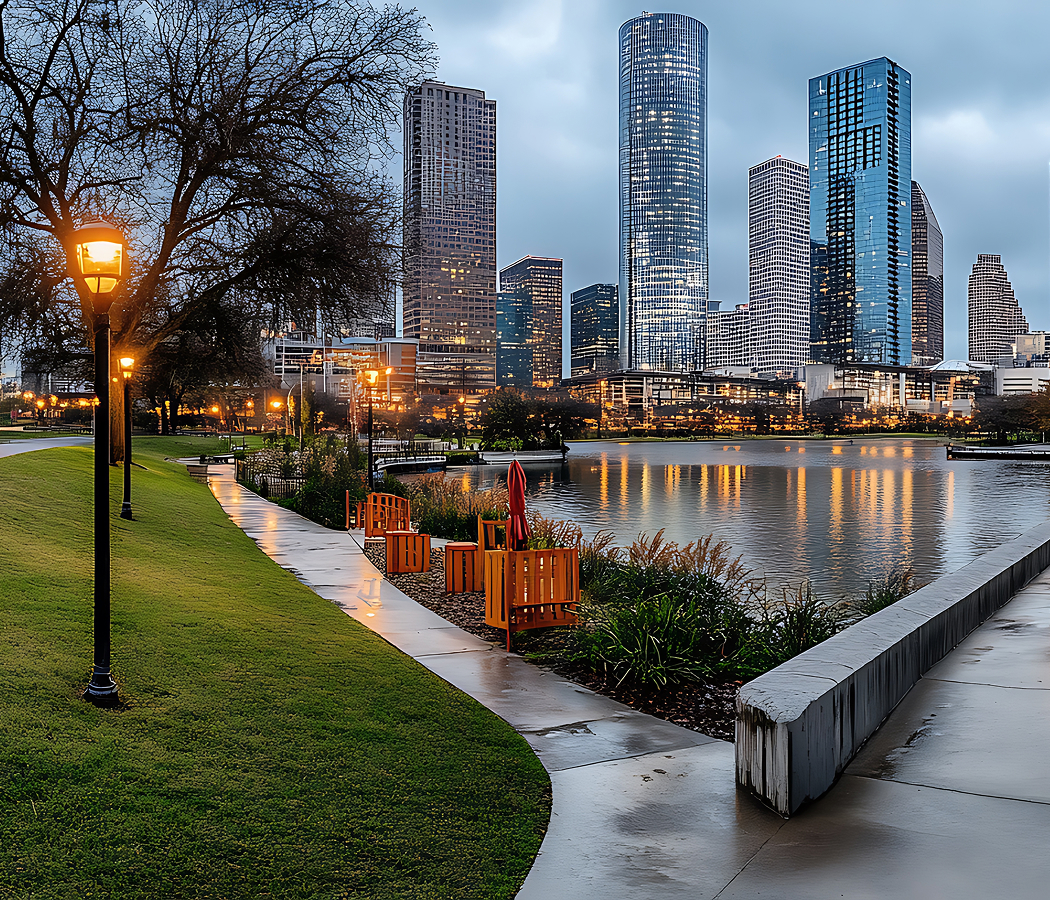
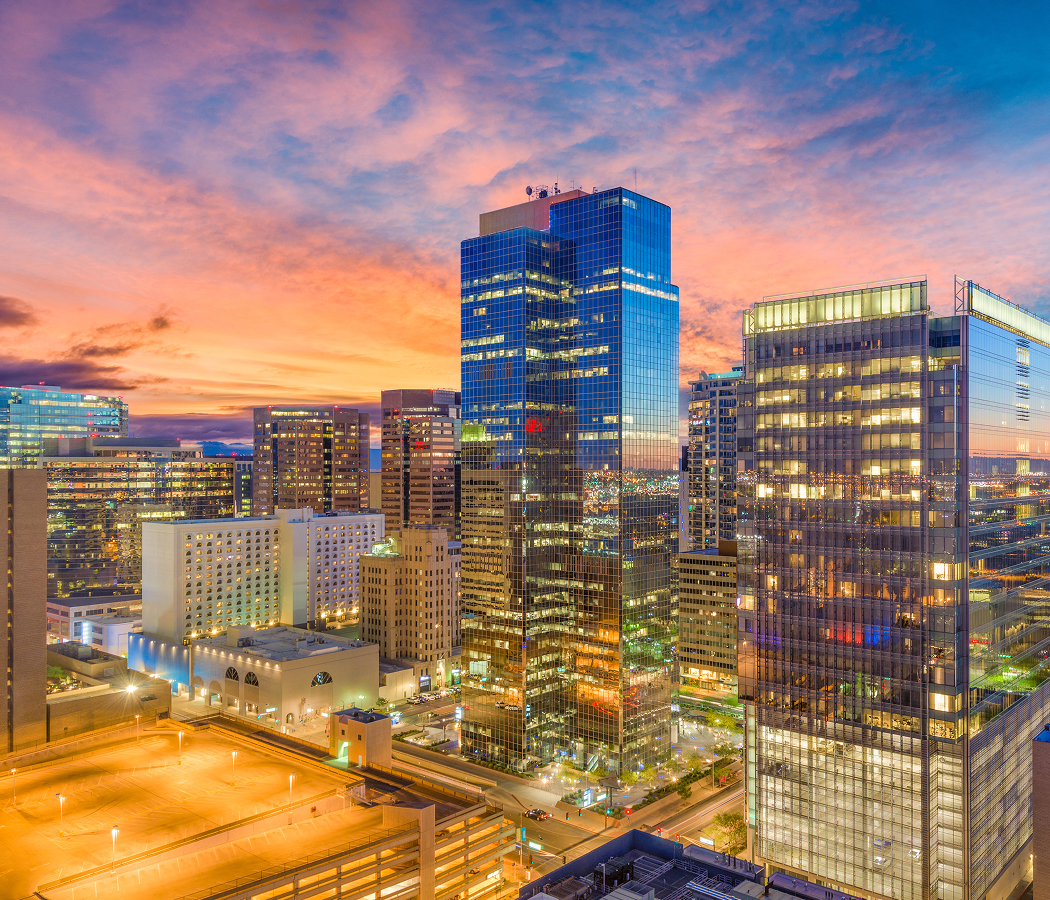
Towering office buildings, historic theaters, civic institutions, luxury hotels, public plazas, entertainment venues, and commercial avenues create a neighborhood that serves as the operational heart of modern New Orleans. The district evolved from the city's historic role as one of North America's most important ports and commercial centers, growing into a hub for finance, government, hospitality, and business activity. Over generations, entrepreneurs, civic leaders, architects, and residents shaped a landscape that balances historic character with contemporary development. As New Orleans expanded beyond its colonial origins, Downtown emerged as the focal point for economic growth while maintaining strong connections to the city's cultural identity. Today, visitors encounter a neighborhood that feels dynamic, influential, and distinctly urban. The result is a neighborhood that feels ambitious, energetic, and unmistakably New Orleans. To the east, the French Quarter's celebrated historic streets and architectural treasures extend naturally from Downtown across one of the city's most iconic urban transitions, reinforcing the neighborhood's position at the center of New Orleans life. Every boulevard, skyscraper, and public space reflects a district shaped by commerce, leadership, and reinvention.
What defines Downtown New Orleans.
Downtown New Orleans is best known for being home to Canal Street, the historic boulevard that once marked the boundary between the French colonial city and the American sector of New Orleans.
Created in the early nineteenth century following the Louisiana Purchase, Canal Street emerged as one of the most important commercial corridors in the American South. Its extraordinary width reflected plans for a canal that was never constructed, leaving behind a grand boulevard that became a symbol of New Orleans' growth and ambition. Over time, department stores, theaters, hotels, office towers, and transportation networks transformed the corridor into the city's primary commercial spine. The avenue played a central role in shaping the relationship between historic New Orleans and the rapidly expanding American city that developed alongside it. Today, Canal Street remains one of the most recognizable thoroughfares in Louisiana and a defining feature of Downtown New Orleans. Few urban neighborhoods possess a corridor so closely associated with the historical evolution of an entire city.
How Downtown New Orleans fits.
Downtown New Orleans works as an exploration of the civic landmarks, commercial corridors, and cultural destinations that define the center of modern New Orleans.
Begin at Canal Street, where the neighborhood's defining connection to commerce and city-building immediately comes into focus. Continue toward Caesars Superdome, whose grand scale and cultural significance reveal the role major civic investments have played in shaping the district for generations. From there, make your way to Lafayette Square, where historic architecture and public gathering spaces provide a broader perspective on the civic traditions that continue to define Downtown New Orleans today. Along the route, you'll encounter office towers, luxury hotels, public plazas, entertainment venues, transportation corridors, civic institutions, and historic landmarks that showcase the neighborhood's remarkable depth. The progression moves naturally from historic commercial boulevard to iconic civic venue to historic public square, revealing the forces that shaped the neighborhood. Downtown New Orleans remains one of Louisiana's most rewarding urban districts, preserving a remarkable balance between economic vitality, cultural significance, and everyday city life.
Where your story begins.
Foresyte Travel reveals places that feel extraordinary long before you arrive.
Enjoy editorial crafted for luxury travelers.
Foresyte may earn a commission when you book.