Why you should experience Dyer Street in Dallas, Texas.
Dyer Street is a welcoming corridor where Old East Dallas' residential heritage, architectural character, neighborhood resilience, and urban renewal create one of the city's most engaging streets.
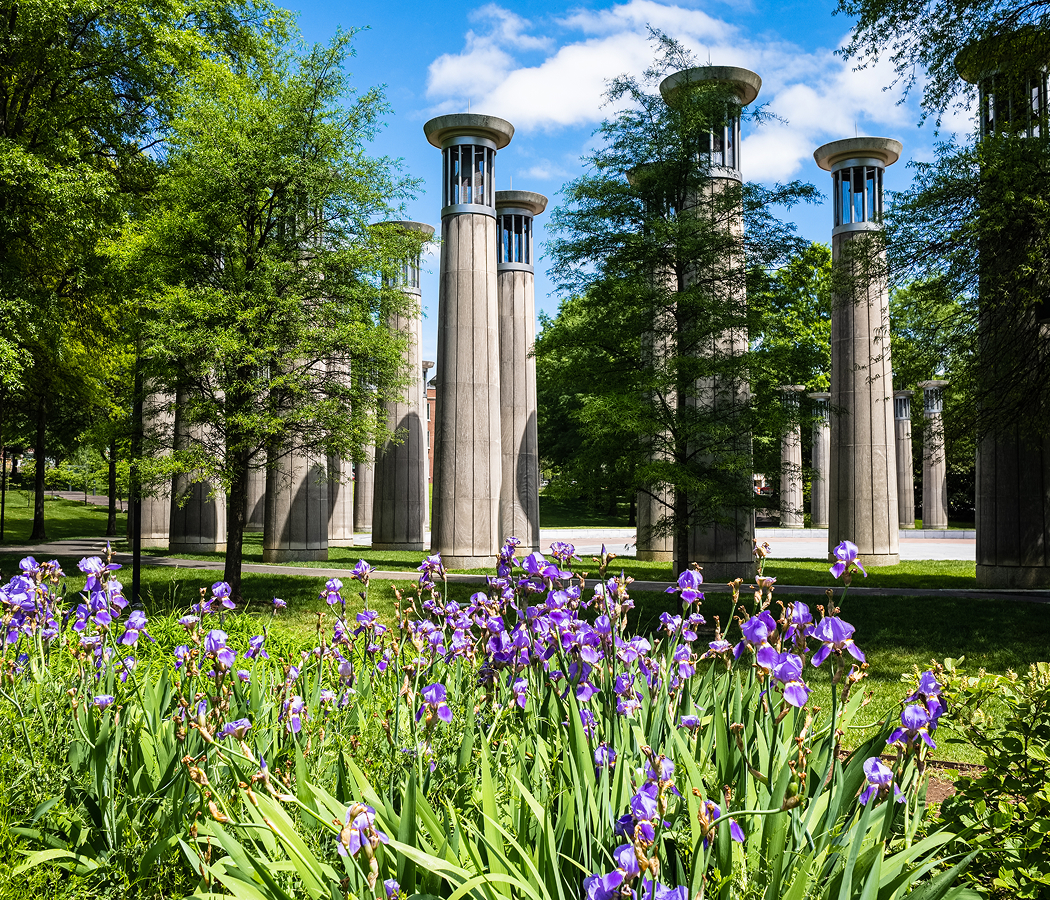
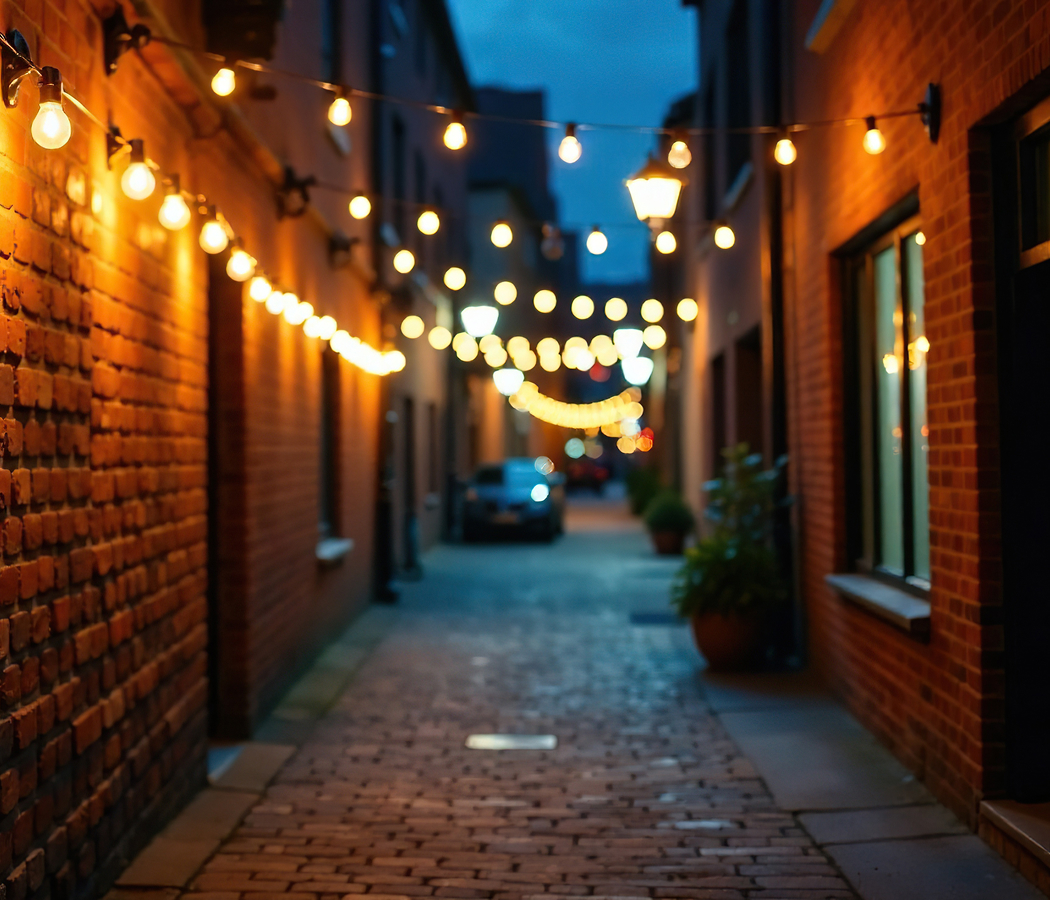
Running through Old East Dallas between Deep Ellum and Swiss Avenue, the corridor connects historic residences, neighborhood institutions, local businesses, and evolving residential blocks that reflect more than a century of continuous change. Each successive block reveals early twentieth-century brick homes, mature live oaks, restored apartment buildings, landscaped sidewalks, and thoughtfully integrated infill that reinforce the street's enduring neighborhood identity. The defining moment arrives as Dyer Street demonstrates how preservation, architectural continuity, and sustained community investment continue shaping one of East Dallas' most distinctive residential environments. The result is an experience defined by architectural richness, neighborhood continuity, and one of Old East Dallas' most rewarding corridors.
What you should know about Dyer Street.
Dyer Street is best known for emerging during Old East Dallas' rapid residential expansion throughout the 1890s, 1900s, 1910s, and 1920s, when electric streetcar routes encouraged substantial homebuilding beyond Dallas' original commercial core. Development introduced enduring examples of Queen Anne, Craftsman, Prairie School, Colonial Revival, and early duplex architecture featuring brick masonry, decorative wood millwork, limestone foundations, original wood sash windows, wraparound porches, and ornamental gables that continue defining the corridor's architectural identity. The street developed alongside nearby Swiss Avenue, whose nationally recognized collection of early twentieth-century residences reflected the prosperity and architectural ambition that influenced surrounding neighborhoods. Uniform building setbacks, interconnected sidewalks, mature urban tree canopies, and original subdivision layouts preserve the residential planning principles established during the corridor's formative decades while reinforcing Dyer Street's cohesive streetscape. Continued restoration has preserved historic residences while accommodating carefully scaled modernization that respects the avenue's original architectural fabric. Collectively, the corridor's streetcar-era origins, residential craftsmanship, preservation achievements, and enduring neighborhood planning established Dyer Street as one of Old East Dallas' defining historic corridors.
The Old East Dallas Work Group continues promoting neighborhood revitalization, preservation advocacy, and community engagement that reinforce Dyer Street's historic residential character while encouraging long-term stewardship throughout the surrounding area. Preservation Dallas provides historical research, educational programming, and technical guidance that strengthen conservation efforts across Old East Dallas' architecturally significant neighborhoods. Native live oaks, cedar elms, magnolias, ornamental hedges, limestone garden walls, and carefully maintained planting beds create a mature landscape that complements the corridor's historic residences while preserving its distinctive visual rhythm. Together, these neighborhood partnerships, preservation initiatives, and enduring landscape traditions demonstrate how Dyer Street continues retaining its historic character through sustained community stewardship and thoughtful conservation.
How to fold Dyer Street into your trip.
Dyer Street works as a leisurely exploration of East Dallas' architectural heritage and creative evolution.
Begin at Swiss Avenue Historic District, where grand early twentieth-century residences establish the architectural story surrounding Dyer Street while naturally introducing one of Dallas' finest preserved residential landscapes. Continue to Latino Cultural Center, where exhibitions, performances, and educational programs deepen appreciation for the area's rich cultural character before guiding the experience toward its historical conclusion. Conclude at Deep Ellum, where restored warehouse buildings, celebrated murals, and renowned music venues provide the historical payoff by illustrating the creative resurgence that complements Old East Dallas' enduring residential legacy. The progression moves naturally from residential preservation to cultural expression before culminating in the artistic energy that defines this corner of Dallas.
Where your story begins.
Foresyte Travel reveals places that feel extraordinary long before you arrive.
Experience premium editorial crafted for luxury travelers.