Why Ervay Street matters.
Ervay Street is a historic Downtown corridor where civic ambition, architectural evolution, and commercial power converge along one of the city's most enduring urban streets.
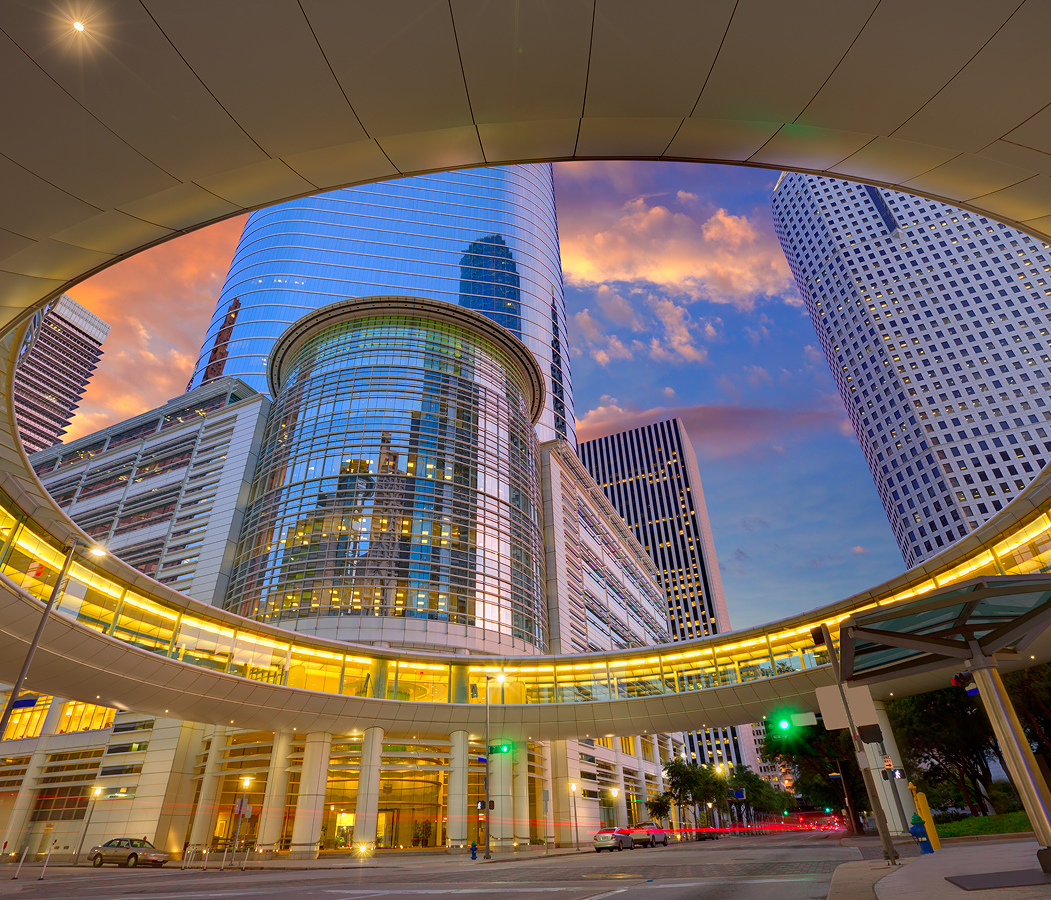
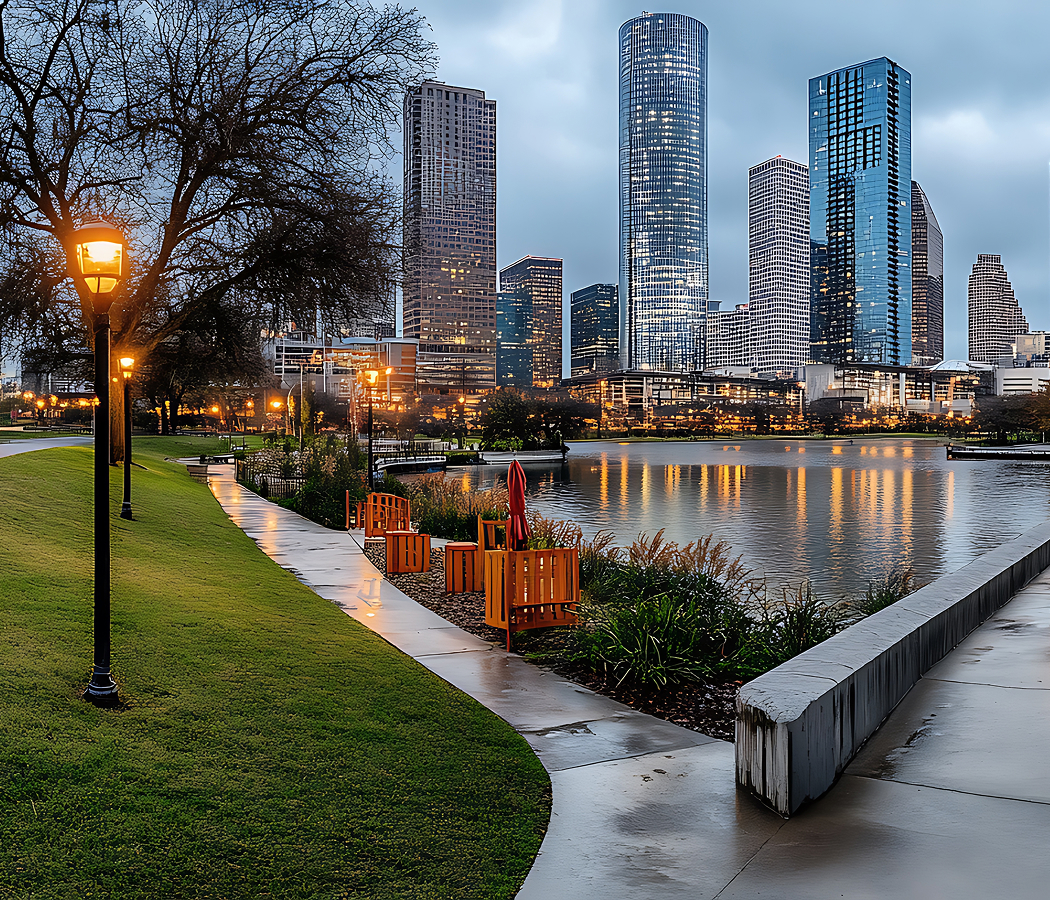
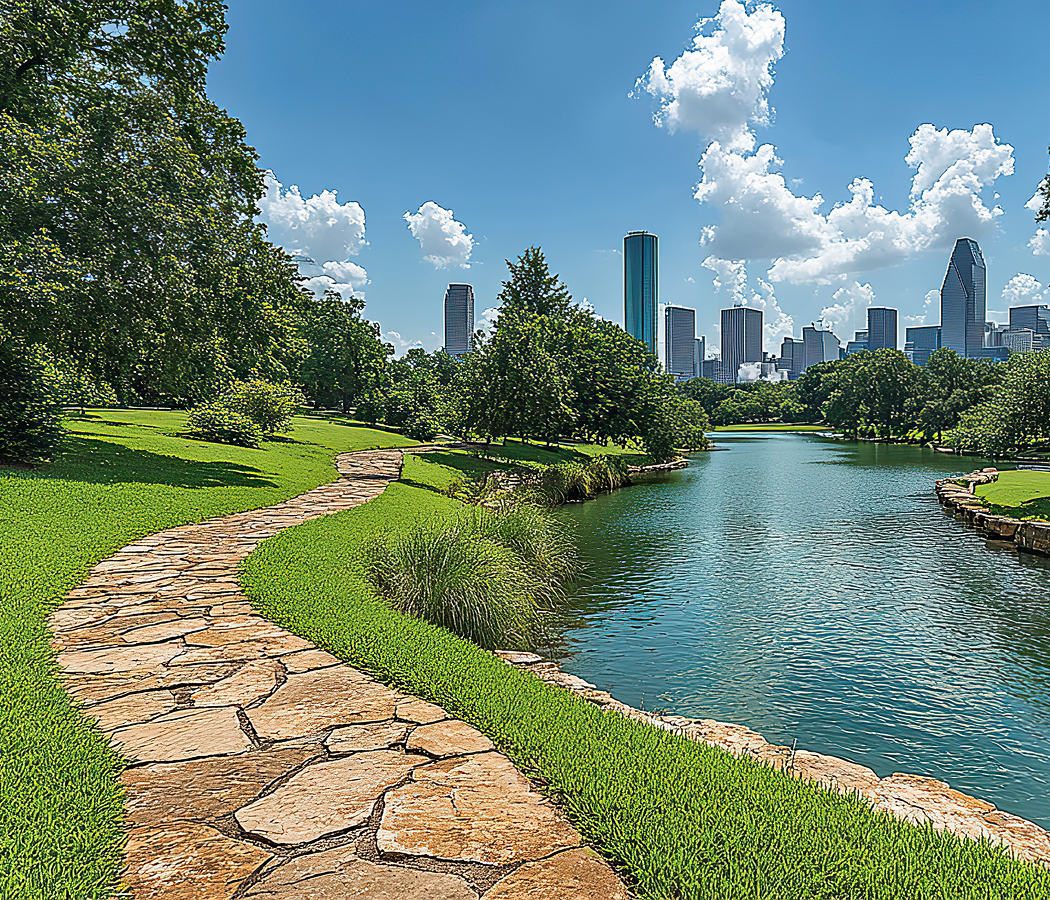
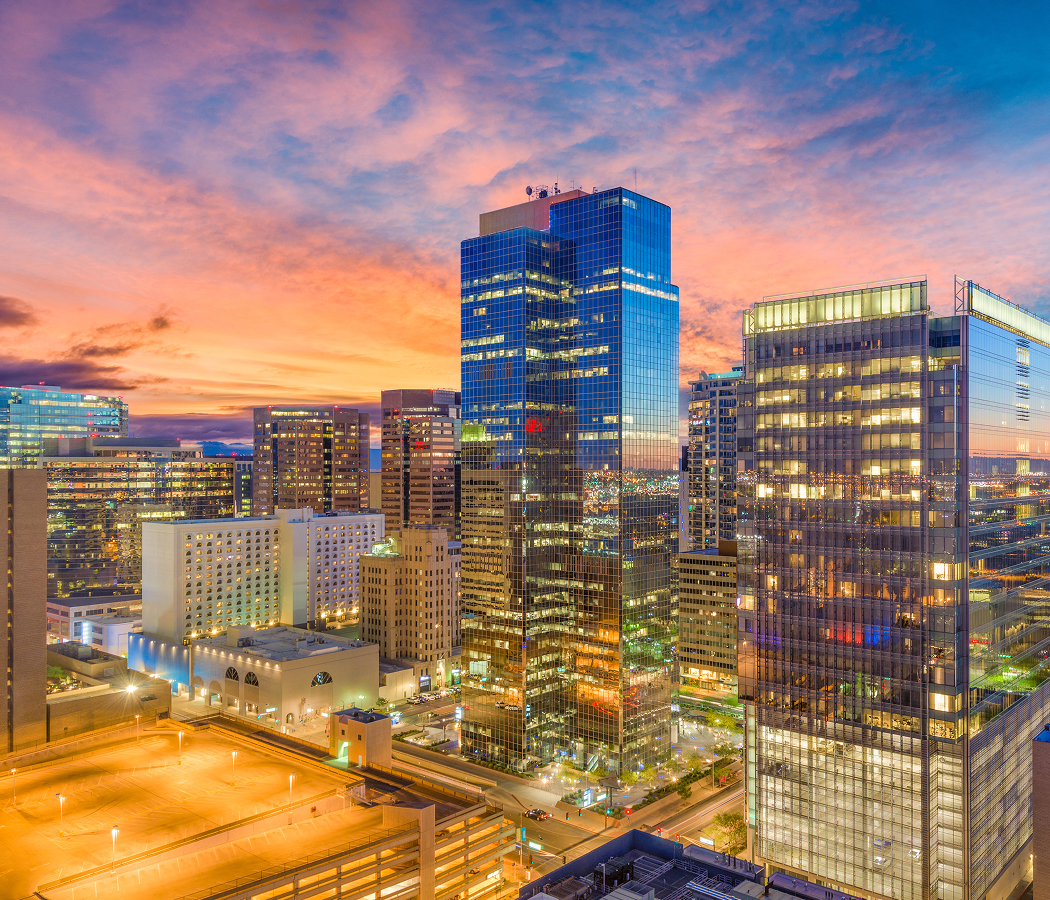
Running through Downtown between the Main Street District, Farmers Market, and The Cedars, this historic corridor connects landmark government buildings, beautifully preserved skyscrapers, celebrated restaurants, luxury hotels, neighborhood parks, and welcoming pedestrian spaces that collectively showcase Dallas' remarkable transformation into a major American city. Historic office towers, architecturally significant civic landmarks, thoughtfully restored commercial buildings, landscaped public plazas, thriving local businesses, cultural destinations, and energetic gathering places create an urban landscape where generations of civic leaders, entrepreneurs, architects, and residents have shaped one of North Texas' defining downtown corridors. Ervay Street developed alongside the city's commercial expansion before evolving into a defining connector between Dallas' governmental, financial, and cultural institutions while preserving its historic character and enduring civic importance. The result is a corridor defined by architectural distinction, civic leadership, and lasting metropolitan significance.
What defines Ervay Street.
Ervay Street is best known for the Dallas Municipal Building, the Beaux Arts landmark completed in 1914 that served as Dallas City Hall for more than six decades before becoming one of the city's most important preserved civic buildings.
Designed by C. D. Hill and Herbert M. Greene, the expansive structure reflected Dallas' emergence as a major regional center through its imposing architecture and prominent civic presence. After serving as City Hall until 1978, the building was carefully preserved and adapted for continued public use, reinforcing Downtown's commitment to architectural conservation. Today, the Dallas Municipal Building remains one of the city's defining civic landmarks and an enduring symbol of municipal history. That remarkable legacy has established Ervay Street as a corridor anchored by one of Dallas' most significant civic institutions.
How Ervay Street fits.
Ervay Street works as an exploration of Dallas' civic architecture, historic landmarks, and downtown culture.
Begin at the Dallas Municipal Building, where expansive Beaux Arts architecture immediately establishes the corridor's defining identity. Continue toward Pioneer Plaza, where the celebrated bronze cattle drive sculpture provides broader perspective on the city's frontier heritage and civic identity. From there, make your way to the Majestic Theatre, where the beautifully restored 1921 performance venue provides a memorable conclusion while celebrating one of Dallas' most treasured historic theaters. Along the route, you'll encounter architecturally significant civic buildings, welcoming public spaces, thriving downtown destinations, beautifully preserved historic landmarks, celebrated cultural institutions, and energetic gathering places that reveal Downtown's exceptional depth. The progression moves naturally from a landmark civic building to Dallas' iconic public sculpture to a historic theater, demonstrating how Ervay Street connects civic history, community life, and architectural discovery.
Where your story begins.
Foresyte Travel reveals places that feel extraordinary long before you arrive.
Enjoy editorial crafted for luxury travelers.
Foresyte may earn a commission when you book.