Why Fairmont Dallas matters.
Fairmont Dallas is a landmark downtown hotel where the Dallas Arts District's cultural ambition meets the city's corporate history, Texas hospitality traditions and transformation into one of the largest urban centers in the American Southwest.
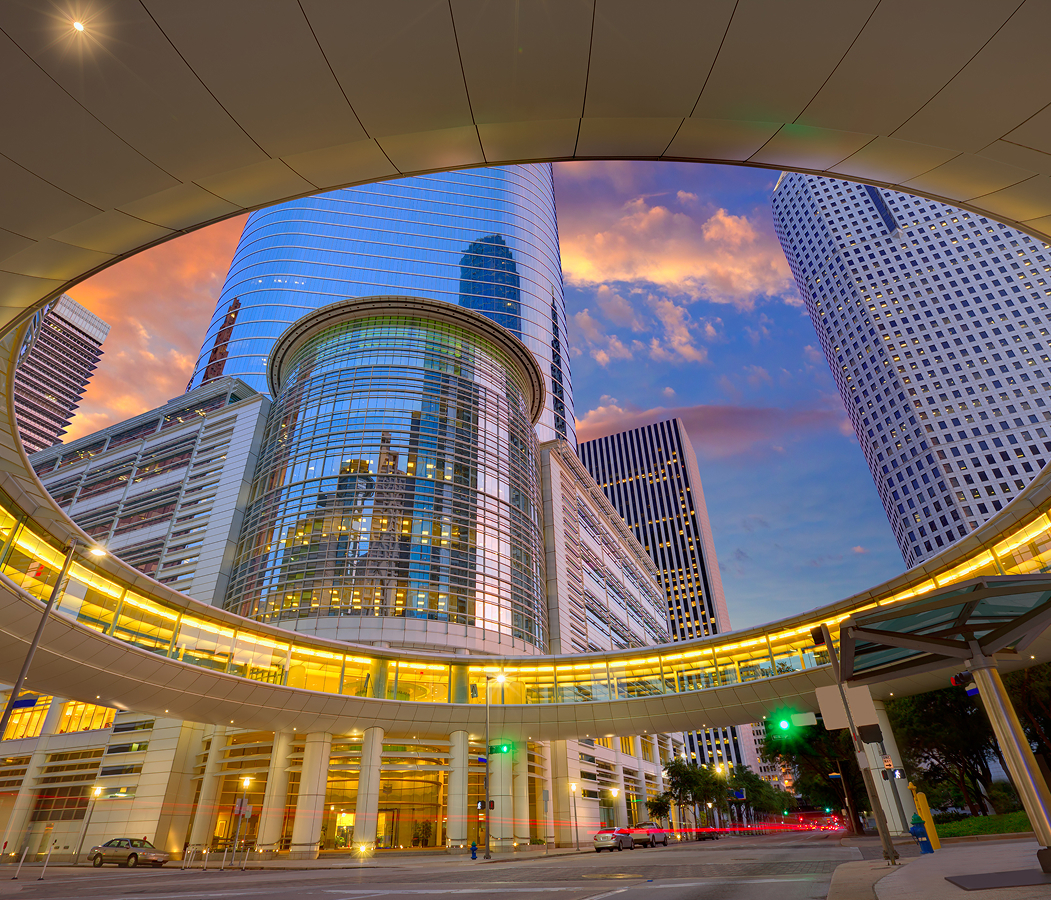
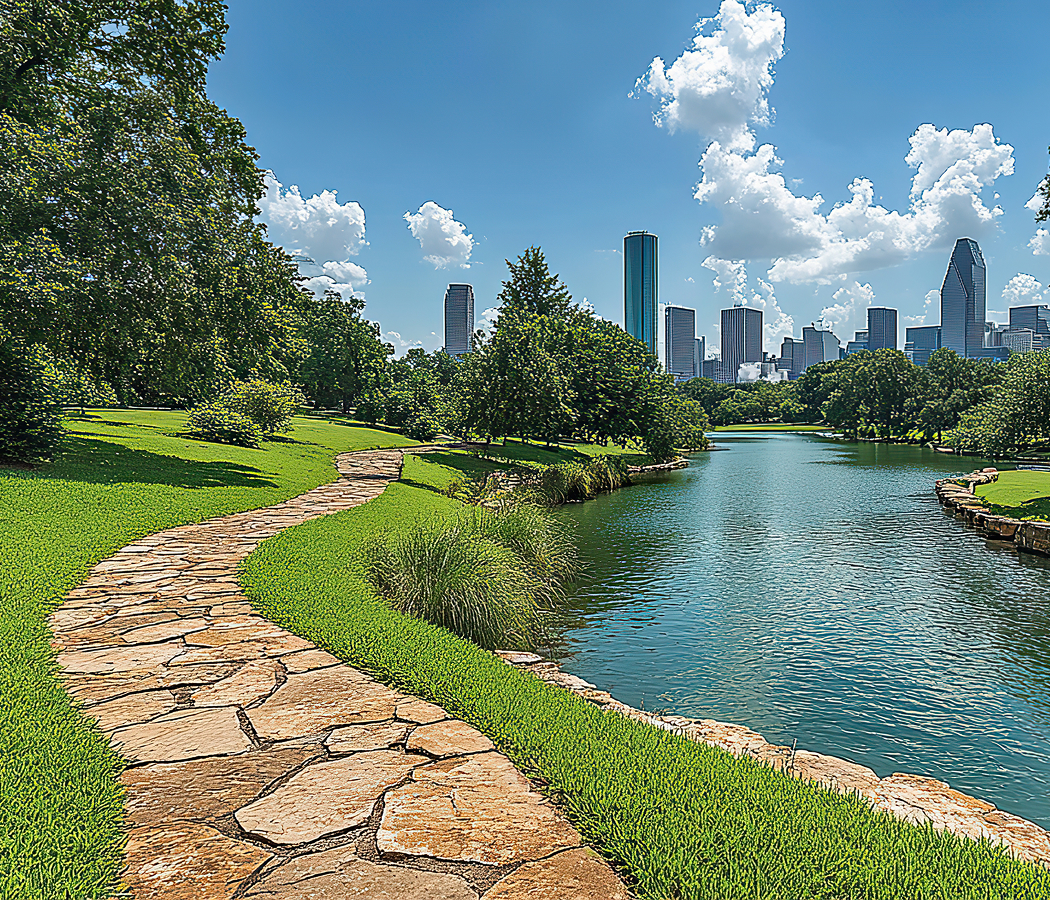
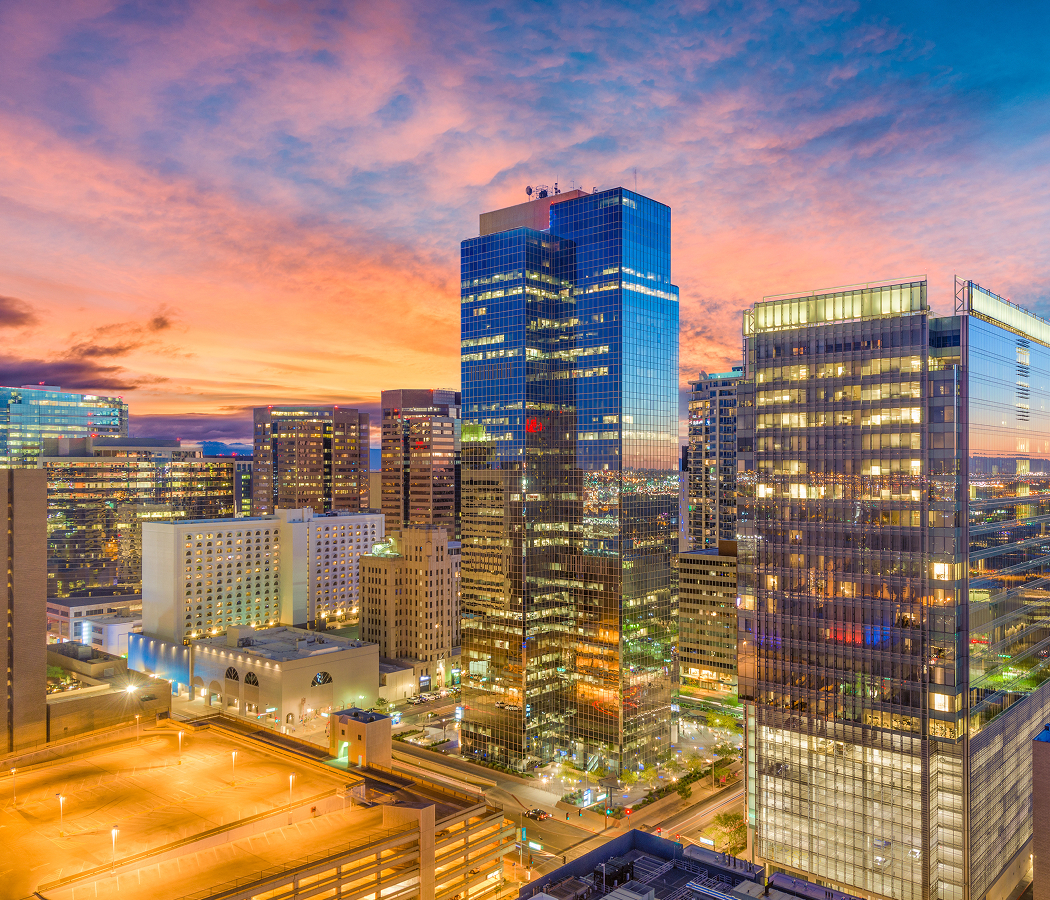
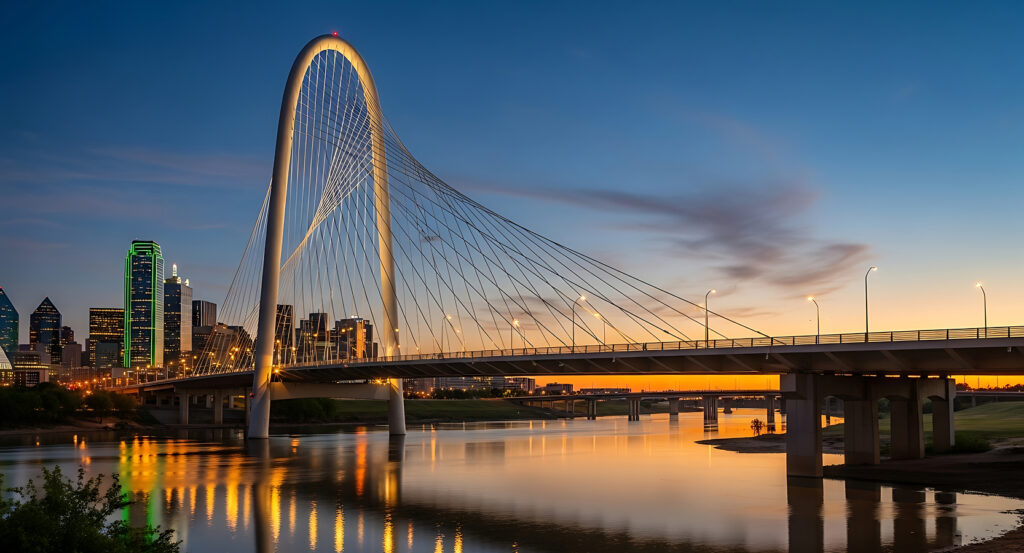
Set at the corner of Akard and Ross Streets in Downtown, Fairmont Dallas occupies a prominent position beside the Arts District and Klyde Warren Park, with Uptown extending north, the central business district surrounding the hotel and the Trinity River lying beyond the western skyline. Its tall modernist façade rises above a formal urban entrance, combining broad windows, pale stone and a strongly vertical profile shaped by the city's postwar commercial expansion. The hotel's public interiors create a transition from the busy downtown streets to restaurants, lounges, meeting rooms and event spaces organized within the tower. Guest rooms and suites overlook the Arts District, downtown offices, Uptown and the landscaped public spaces that have reshaped the city center. Akard Street carries pedestrians and traffic through one of Dallas's most concentrated cultural corridors, while Ross Avenue connects the hotel with museums, theaters, restaurants and historic neighborhoods. The building's elevated position provides wide views across the low, sprawling city, where towers rise from a landscape shaped by highways, rail lines and the distant Trinity floodplain. The hotel's location also places it within walking distance of public sculpture, performing-arts venues and civic gathering spaces. The result is a substantial urban hotel whose architecture and central position express Dallas's emergence as a modern business and cultural capital.
What defines Fairmont Dallas.
Fairmont Dallas is best known for establishing a major full-service hotel within the central business district during the period when Dallas was expanding its corporate skyline and developing the cultural institutions that now define the Arts District. The property opened in 1969 as part of the city's postwar growth, introducing a large modern hotel to the streets north of the traditional downtown core. Its location placed the hotel close to offices, theaters, museums, financial institutions and the civic spaces surrounding the central city. The property contains 545 guest rooms and suites arranged within a tall downtown building overlooking Dallas's commercial and cultural districts. The accommodations combine spacious interiors, marble bathrooms, work areas and views across the city, providing a residential base for business travelers, cultural visitors and large event groups. Its architecture reflects the confidence of late twentieth-century Dallas, when vertical construction, broad avenues and corporate expansion reshaped the city's urban center. The hotel's scale allows it to support conferences, weddings, political events, cultural gatherings and extended business activity within one building. Its importance rests on the combination of a central location, large hospitality capacity and proximity to the institutions that made Downtown more than a financial district. Fairmont Dallas represents the city's long transition from a dispersed commercial landscape into a more concentrated urban center with museums, public parks, restaurants and performance venues. The hotel operates as both a business address and a cultural base, placing visitors within the daily movement of downtown while retaining the formal atmosphere of a grand city hotel. Its character is tied to Dallas's corporate history, the regional influence of North Texas and the cultural expansion that followed the growth of the Arts District.
Pyramid Restaurant & Bar provides the hotel's principal dining setting through contemporary American cuisine, seasonal ingredients and a social atmosphere suited to business lunches, evening meals and downtown gatherings. Its interior and service style connect the hotel to the polished traditions of a major American business hotel. The Lobbyist creates a more informal setting for cocktails, small plates and conversation within the public areas of the property. Guest rooms and suites maintain a residential character through sitting areas, workspaces, generous storage and views across the downtown skyline. Larger suites provide additional living space for extended stays, private meetings and formal entertaining within the hotel's upper floors. The hotel's meeting rooms and ballrooms support conventions, weddings, corporate presentations, political gatherings and large social events, giving Fairmont Dallas a continuing role in the city's civic calendar. The event program connects to the Arts District through nearby museums, theaters and performance venues, making the hotel a natural base for cultural visitors and visiting organizations. Fitness facilities support daily exercise through cardiovascular equipment, strength-training areas and personal routines designed for business and leisure travelers. The building's public spaces use polished stone, wood, metal and controlled lighting to create a formal atmosphere suited to receptions, meetings and evening dining. Its location allows guests to move between the hotel, downtown offices, museums, galleries, restaurants and parks. The service culture emphasizes discretion, efficiency and the polished rituals of a long-established urban hotel. Fairmont Dallas functions as a large civic and business property as much as a place to sleep, accommodating the meetings, celebrations and cultural visits that sustain Downtown. Its enduring importance comes from the way it joins the city's commercial history with its modern cultural center, preserving the role of the grand downtown hotel within a changing metropolitan landscape.
How Fairmont Dallas fits.
Fairmont Dallas works as the starting point for an exploration connecting Dallas's scientific institutions, its urban public culture and the civic spaces that organize the city's central districts.
Begin at Perot Museum of Nature and Science, the major educational institution in the Arts District where geology, paleontology, biology, space science and engineering are presented through interactive galleries and large-scale exhibitions. Its architecture creates a distinctive geometric presence within downtown, using dramatic forms and elevated walkways to express the museum's focus on discovery and movement. The galleries connect Dallas to the natural history of Texas and the wider scientific world, placing fossils, minerals, ecosystems and technology within a highly accessible public setting. The museum demonstrates how the city's cultural center extends beyond art into science, education and public learning. Continue to The Dallas World Aquarium, the immersive indoor attraction where aquatic habitats, tropical forests, birds, reptiles and mammals occupy a dense urban building near the West End. Its exhibits recreate environments from Central and South America and other regions, creating a compressed journey through global biodiversity within Downtown. The aquarium's design combines waterfalls, vegetation, elevated walkways and large viewing habitats, making the movement through the building part of the experience. Its position near offices, restaurants and historic streets reflects the continuing diversification of downtown tourism and public culture. Conclude at Thanks-Giving Square, the landscaped civic space in the center of Dallas where a chapel, gardens and symbolic architectural forms create a place dedicated to gratitude, reflection and public gathering. The complex occupies a dense commercial setting yet introduces quiet paths, water, trees and sheltered interiors into the urban grid. Its design connects civic architecture with religious and philosophical traditions while remaining open to visitors from different backgrounds. The square demonstrates how Dallas's downtown includes spaces designed not only for commerce and entertainment but also for ceremony, contemplation and community life. The progression moves from Perot Museum of Nature and Science's educational institutions through The Dallas World Aquarium's living habitats and concludes at Thanks-Giving Square, where Dallas's commercial center opens into a civic landscape of reflection and public gathering.
Where your story begins.
Foresyte Travel reveals places that feel extraordinary long before you arrive.
Enjoy editorial crafted for luxury travelers.
Foresyte may earn a commission when you book.